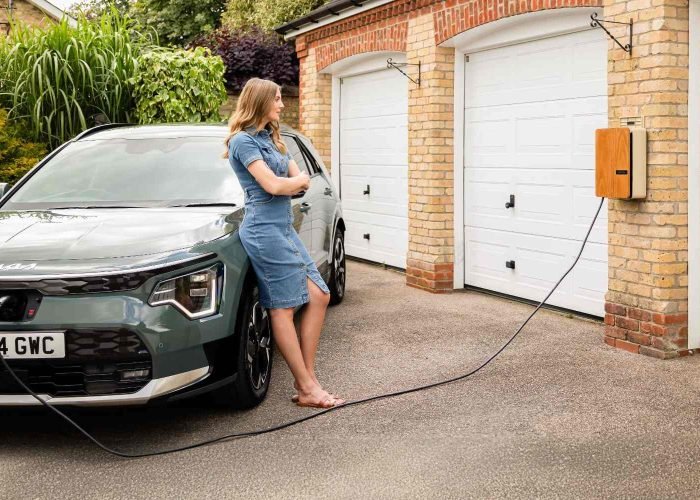
Level 2 EV Charger Installation for West Palm Beach Homes
A Level 2 charger is the difference between waking up to a full battery and waiting all weekend for a charge. It runs on a 240-volt circuit, the same kind of power your dryer or range uses, and charges roughly eight times faster than a standard wall outlet. Nassif Electric has been wiring South Florida homes since 1976. We install Level 2 EV chargers and 240V EV outlets in West Palm Beach garages, carports, and driveways, with the load calculation, the permit, and the inspection handled for you. As a Florida statewide licensed unlimited electrical contractor (License EC13001410), we're licensed, insured, and bonded, and every install includes a free electrical safety inspection. Call 561-582-2600 for a free estimate. Send a photo of your panel and where you park, and we can often quote you the same day.
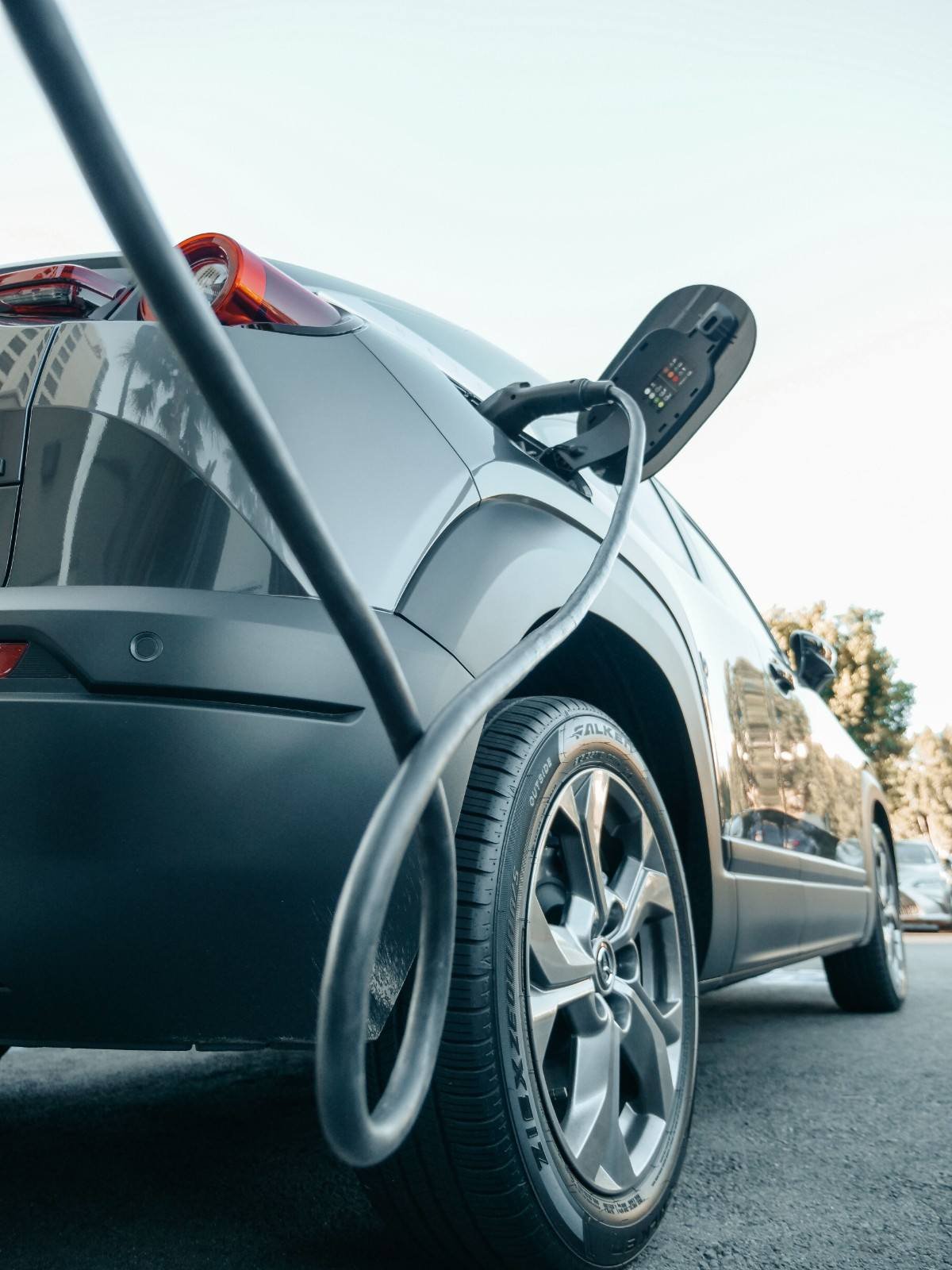
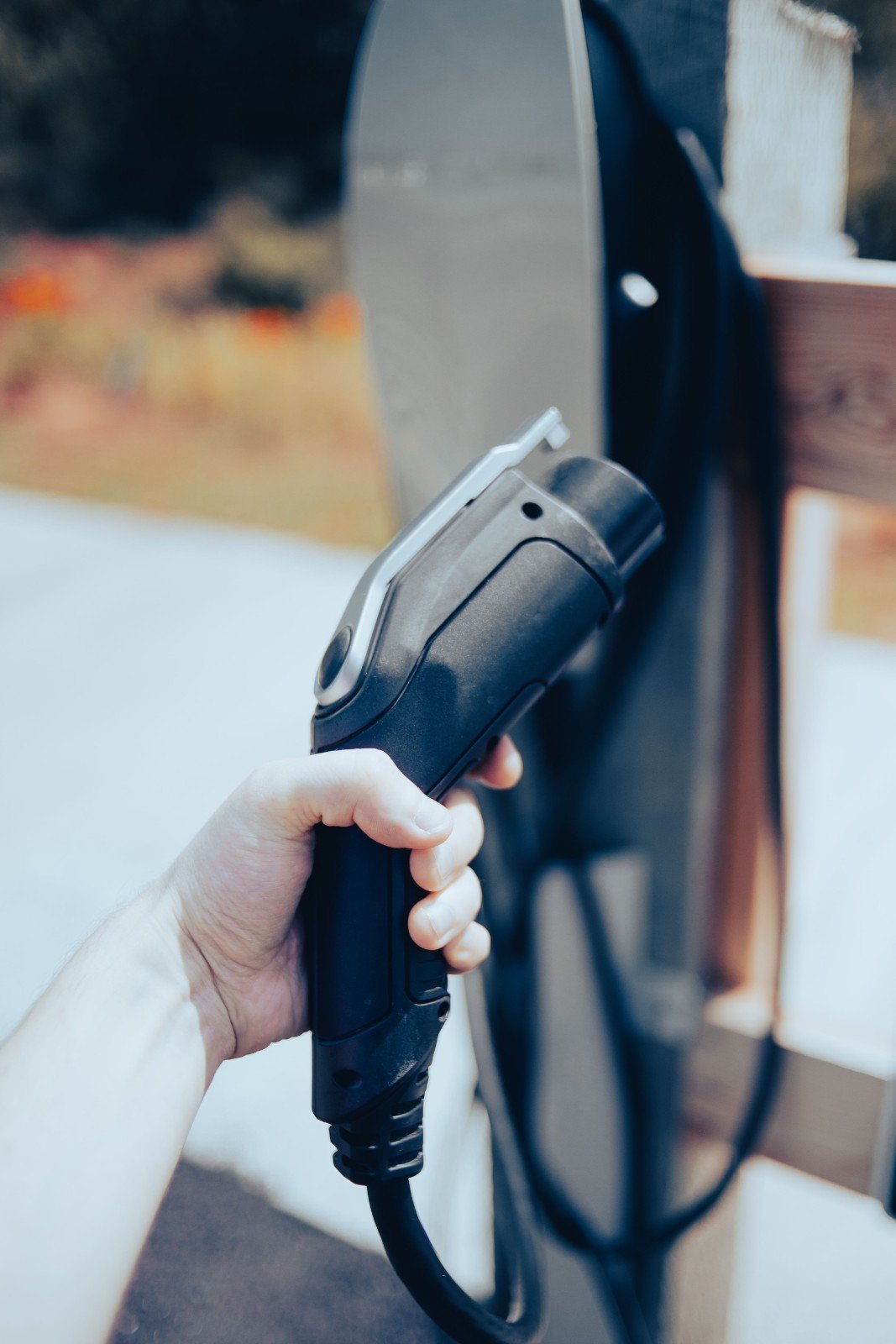
Level 1 vs. Level 2 Charging
Level 1 (standard outlet) | Level 2 (240V circuit) | |
|---|---|---|
Power | 120 volts, ~1.4 kW | 240 volts, 3.8–11.5 kW |
Range added per hour | About 3–5 miles | About 12–40 miles |
Overnight (10 hours) | About 30–50 miles | About 120–400 miles |
Electrician needed? | No | Yes — dedicated circuit, permit, inspection |
Best for | Plug-in hybrids, very low mileage | Nearly every full EV owner |
If you drive more than about 30 miles a day, or you have two EVs in the household, Level 1 charging will not keep up in the long run. That’s why most South Florida drivers upgrade within the first few months.
How Fast Is a Level 2 Charger? Amps and Charging Speed
A Level 2 charger’s speed depends on the amperage of the circuit we install. Under the NEC’s 80% rule, a charger can continuously draw only 80% of the circuit’s rating, so a 40 amp charger needs a 50 amp breaker.
Charger output | Circuit required | Power | Range added per hour* |
|---|---|---|---|
16 amps | 20 amp | 3.8 kW | ~12 miles |
32 amps | 40 amp | 7.7 kW | ~25 miles |
40 amps | 50 amp | 9.6 kW | ~30 miles |
48 amps (hardwired) | 60 amp | 11.5 kW | ~35–40 miles |
*Approximate, based on typical EV efficiency. Your car’s onboard charger also sets a limit: many EVs accept a maximum of 32–48 amps, so a bigger circuit won’t always charge faster.
We check your vehicle’s maximum charge rate and your panel’s spare capacity, then recommend the circuit that actually helps, instead of selling you the largest one.
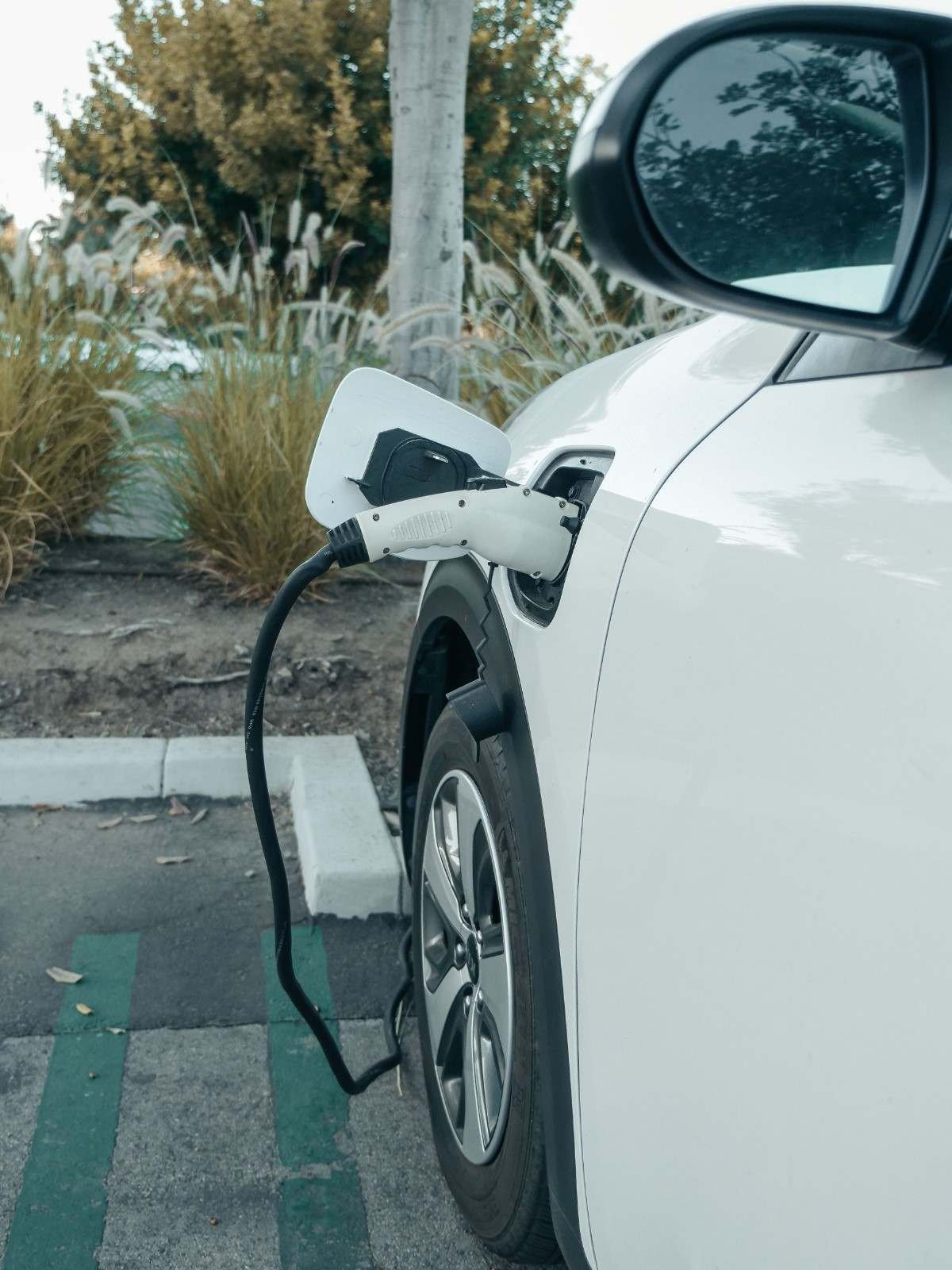
Hardwired Charger or 240V Outlet? (EV Outlet Installation)
There are two ways to power a home charger, and both need a dedicated 240V circuit:
Hardwired charger
NEMA 14-50 outlet (plug-in)
Max output
Up to 48 amps, so faster charging
Limited to 40 amps
Outdoors
Better — no exposed plug connection
Needs a weather-rated enclosure
Flexibility
Fixed in place
Unplug and take a portable charger along
Moving or replacing it
Requires an electrician
Easy to swap the charger yourself
Code note
No GFCI receptacle rules to meet
Current code requires GFCI protection
Our rule of thumb: hardwire it if the charger lives outdoors or you want the fastest charging; install a NEMA 14-50 outlet if you want flexibility or plan to change chargers. Either way, the wiring and the permit are the same amount of work, so the choice is about how you’ll use it.
Will Your Panel Support a Level 2 Charger?
This is the question that decides your price. A Level 2 charger adds 30 to 60 amps of demand, so before we install anything we run a load calculation on your service.
- 200 amp service with open breaker space: usually a straightforward install.
- 200 amp service with a full panel: we can often add a sub-panel or use a load-management device instead of a full upgrade. See our [sub-panel installation] page.
- 100 or 150 amp service: often needs a [200 amp panel upgrade], especially with central AC, an electric range, and a pool pump already on the system.
- Older or recalled panels: a Federal Pacific or Zinsco panel should be replaced before adding a large new circuit.
We’ll tell you which of these applies to your home before you commit to anything.
Level 2 EV Charger Installation Cost in West Palm Beach
Most home EV charger installs cost between about $800 and $2,500 for the electrical work, not counting the charger itself.
Level 2 installation | Typical range* |
|---|---|
Charger mounted on the wall beside the panel (short run) | $800 – $1,400 |
Typical garage run, 20–50 ft in conduit | $1,200 – $2,500 |
240V NEMA 14-50 outlet on a dedicated circuit | $700 – $1,600 |
Outdoor, carport, long run, or trenching | $2,000 – $4,500+ |
Plus a 200 amp panel upgrade, if needed | Add $3,000 – $6,000 |
*Estimates for planning only. Your exact price is confirmed in a free written estimate.
Buy vs. subscribe: FPL’s EVolution Home program supplies a Level 2 charger with no upfront cost for a flat monthly fee (reported at roughly $31–$38 per month), plus a lower off-peak charging rate. Over several years, buying your own charger and having it installed usually costs less, and the equipment is yours. Check FPL’s current terms and compare. Note that the federal 30C tax credit ended for equipment placed in service after June 30, 2026, so it no longer applies to new installations.
What a Level 2 Charger Costs to Run
Charging at home is far cheaper than public charging. A typical EV uses about 30 kWh per 100 miles. At roughly 15 cents per kWh, that’s about $4.50 per 100 miles, and less if you charge on an off-peak rate. For most drivers, that works out to roughly $25–$50 a month added to the electric bill, depending on mileage.
Our Installation Process
- Free assessment: We review your panel, your available capacity, and where you park. Photos are usually enough to start.
- Load calculation & recommendation: We confirm the right amperage for your car and your service.
- Written estimate: A flat, itemized price covering the circuit, labor, and permit.
- Permit: Pulled for the City of West Palm Beach or Palm Beach County.
- Installation: Dedicated 240V circuit, charger mounted and connected, with the disconnect or GFCI protection code requires. Most installs take 3–6 hours.
- Testing & inspection: We charge your car to verify it works, connect the app if the charger has one, and schedule the final inspection.
Why West Palm Beach Homeowners Choose Nassif Electric
- Since 1976: 50 years of electrical work in South Florida
- Florida statewide licensed unlimited electrical contractor: License EC13001410
- Licensed, insured & bonded
- Everything handled: load calculation, circuit, permit, inspection, and any panel work
- Free electrical safety inspection with every install
- 24/7 emergency response
Installing a Tesla Wall Connector, or charging at a condo or business? See our main [EV charger installation] page.

Areas We Serve
We install EV chargers throughout West Palm Beach, including downtown, Northwood, El Cid, Flamingo Park, SoSo, and the western communities along Okeechobee Boulevard, and across South Florida from Juno Beach to Fort Lauderdale. Our service area includes Palm Beach, Palm Beach Gardens, North Palm Beach, Jupiter, Riviera Beach, Lake Worth Beach, Greenacres, Wellington, Royal Palm Beach, Boynton Beach, Delray Beach, and Boca Raton.
Frequently Asked Questions
In the West Palm Beach area, most Level 2 installations cost about $800 to $2,500 for the electrical work, plus the charger. A short run beside the panel is at the low end; long runs, outdoor installs, or a panel upgrade cost more.
We don’t recommend it. A Level 2 charger needs a dedicated 240V circuit, a permit, and an inspection, and the circuit must be sized for continuous load. A DIY install can void the charger warranty and cause problems with your home insurance.
For nearly every full EV owner, yes. Level 1 adds only 3 to 5 miles of range per hour, while Level 2 adds about 25 to 40. If you drive more than about 30 miles a day, Level 1 will not keep up.
It depends on how much you drive. A typical EV uses about 30 kWh per 100 miles, so at roughly 15 cents per kWh that’s about $4.50 per 100 miles, or about $25 to $50 a month for most drivers. Off-peak rates lower that further.
Most home chargers are set for 32, 40, or 48 amps, which need a 40, 50, or 60 amp circuit. Under the NEC’s 80% rule, a charger draws no more than 80% of the circuit’s rating continuously.
Both work. Hardwired units can run up to 48 amps and hold up better outdoors; a NEMA 14-50 outlet lets you unplug and take a portable charger with you, and current code requires GFCI protection for it.
Not always. Many 200 amp services handle a charger easily. Older 100 amp services often need an upgrade, a sub-panel, or a load-management device. Our load calculation gives you the answer before you spend anything.
No. The federal 30C credit covered 30% of the cost, up to $1,000, but only for equipment placed in service through June 30, 2026. It no longer applies to new installations. FPL’s EVolution Home program may still be worth comparing.
Most installations take 3 to 6 hours. Long runs, outdoor work, or a panel upgrade can extend that to a full day or more.
Match the charger to your car’s maximum charge rate and your panel’s capacity — paying for 48 amps helps only if your car can use it. Look for a UL-listed unit with a cable long enough to reach your charge port, and a weather rating if it will live outdoors. We’re happy to advise before you buy.
Get Your Level 2 Charger Installed
We’ll size the circuit for your car, install it to code, and get it permitted and inspected the first time, so you can stop planning your week around public chargers.
Call 561-582-2600 or email info@nassifelectric.com for a free estimate on your Level 2 EV charger installation.