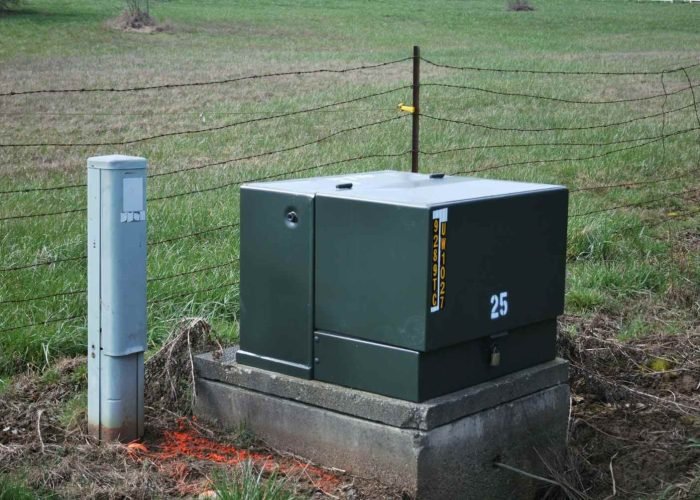
Automatic Transfer Switch Installation in West Palm Beach, FL
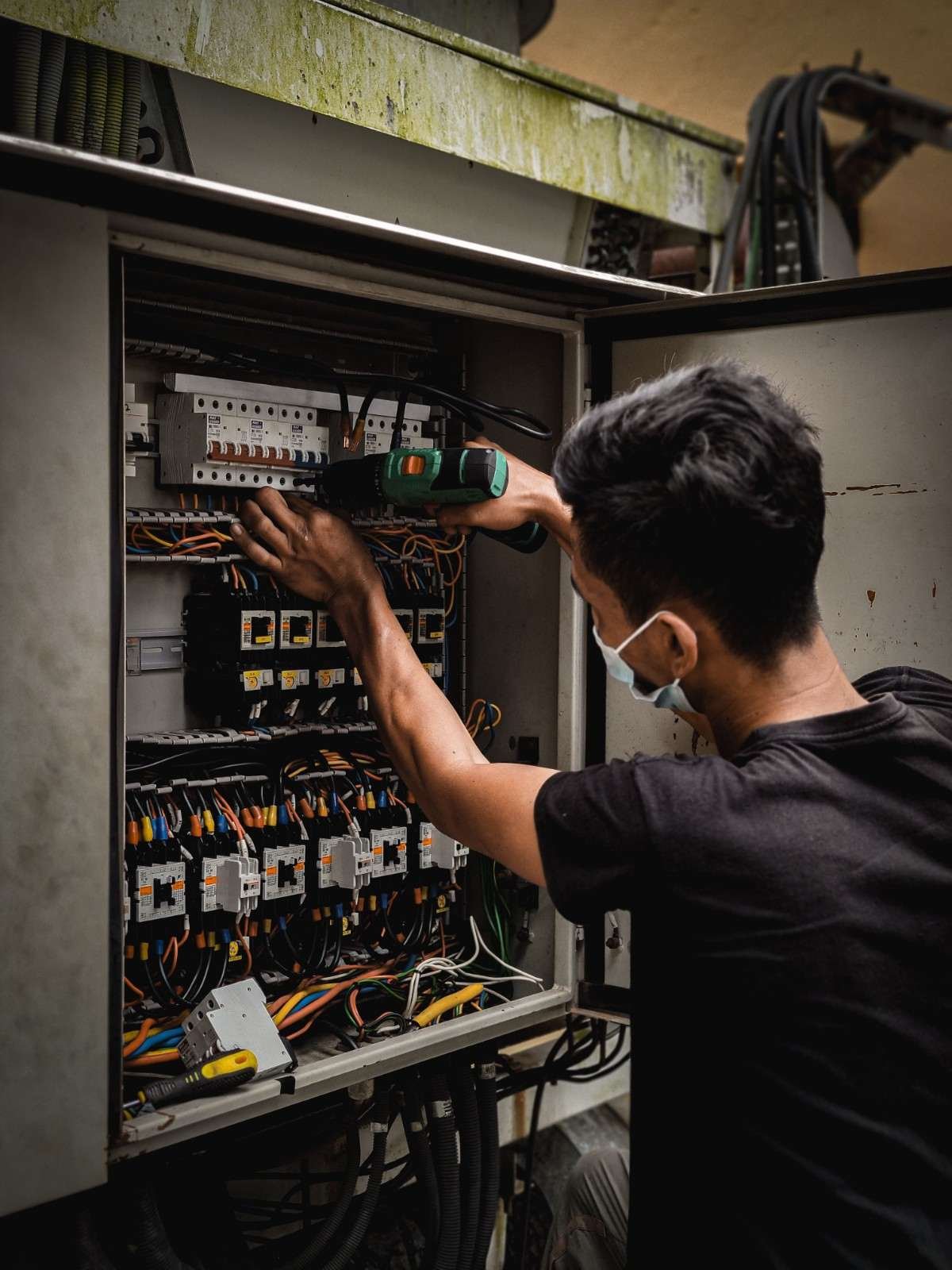
The automatic transfer switch (ATS) is the part of a backup power system that decides which source feeds your house. It watches utility voltage, starts the generator when the power fails, moves your home onto generator power, and switches back when FPL returns — usually in under a minute, with nobody home to touch anything. It's also the part that keeps a generator from killing someone. A correctly installed transfer switch makes it physically impossible for generator power to back-feed onto the utility lines where crews are working. Nassif Electric has installed and serviced transfer switches across South Florida since 1976. As a Florida statewide licensed unlimited electrical contractor (License EC13001410), we size the switch, install it, pull the permit, and test it under load. Call 561-582-2600 for a free assessment and a written price on your transfer switch installation.
What an Automatic Transfer Switch Does
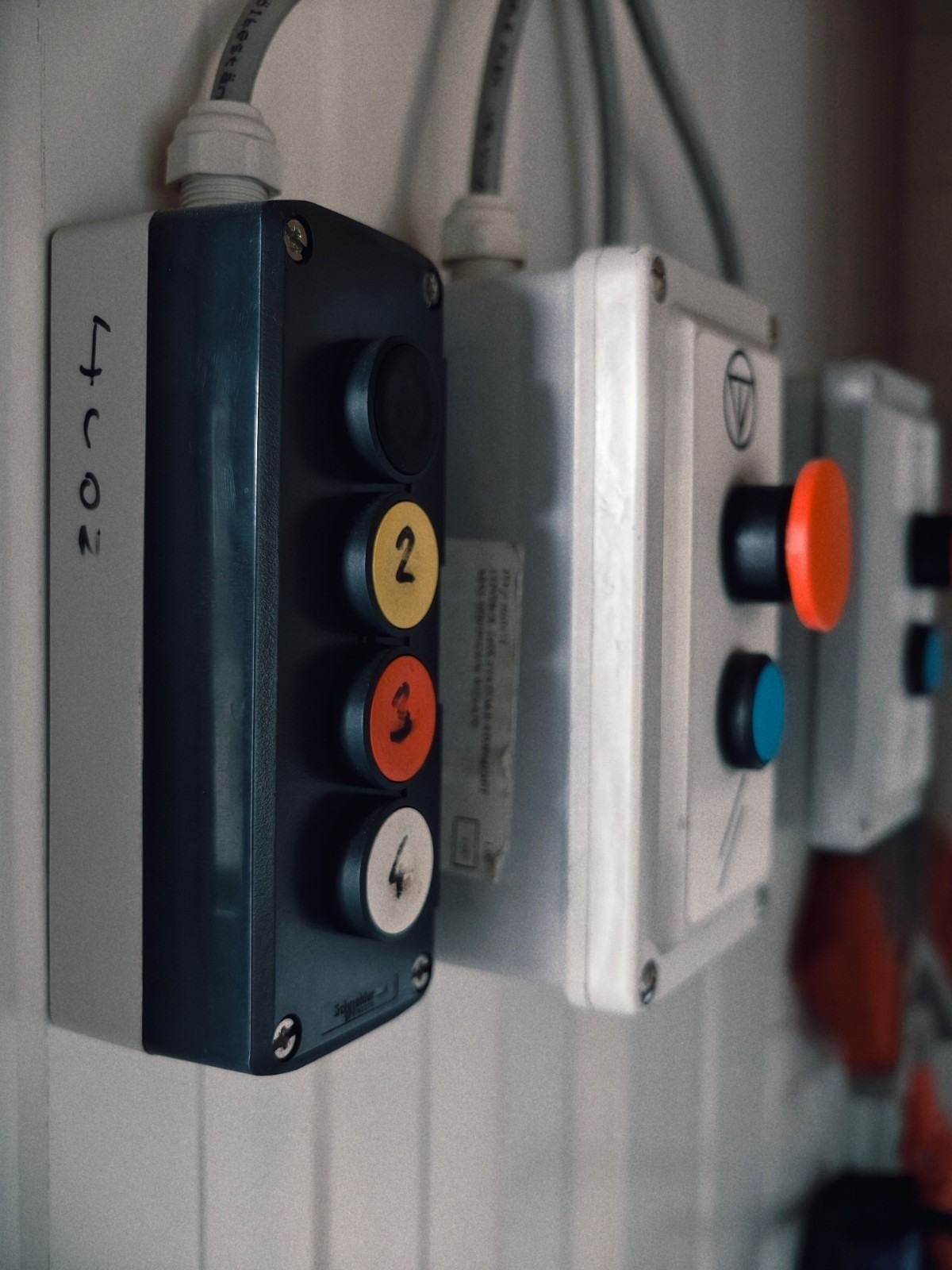
- Monitors utility power continuously, and recognizes an outage or a serious voltage problem.
- Signals the generator to start over a low-voltage control circuit, then waits for it to reach stable speed and voltage.
- Transfers your home’s load from utility to generator, with a deliberate break so the two sources are never connected.
- Switches back when utility power returns and stays stable, then runs the generator for a cool-down period and shuts it down.
- Runs the weekly exercise cycle that keeps the engine healthy.
It is, in other words, the brain of the system. When a standby generator “doesn’t work” during an outage, the transfer switch is one of the first things we check.
ATS, Manual Transfer Switch, or Interlock Kit?
Automatic transfer switch | Manual transfer switch | Interlock kit + inlet | |
|---|---|---|---|
Works with | Standby generators | Portable generators | Portable generators |
Who operates it | Nobody — it’s automatic | You, by hand | You, by hand |
Covers | Whole home or selected circuits | A fixed set of circuits | Any breaker in the panel |
Works while you’re away | Yes | No | No |
Typical installed cost | $1,500 – $3,500+ | $900 – $2,000 | $600 – $1,400 |
All three are legitimate, and all three need a permit and an inspection. The interlock kit is the budget option: a sliding plate that makes it mechanically impossible to have the main breaker and the generator breaker on at the same time, paired with an exterior inlet. The manual switch is a small sub-panel of selected circuits. The ATS is the only one that works when you’re not home.
What is never acceptable is a “suicide cord” — a double-male cord plugged into a dryer or range outlet. It energizes your panel with no isolation, and it can push power back onto the utility lines and kill a line worker.
Whole-House vs. Essential-Circuit Transfer Switches
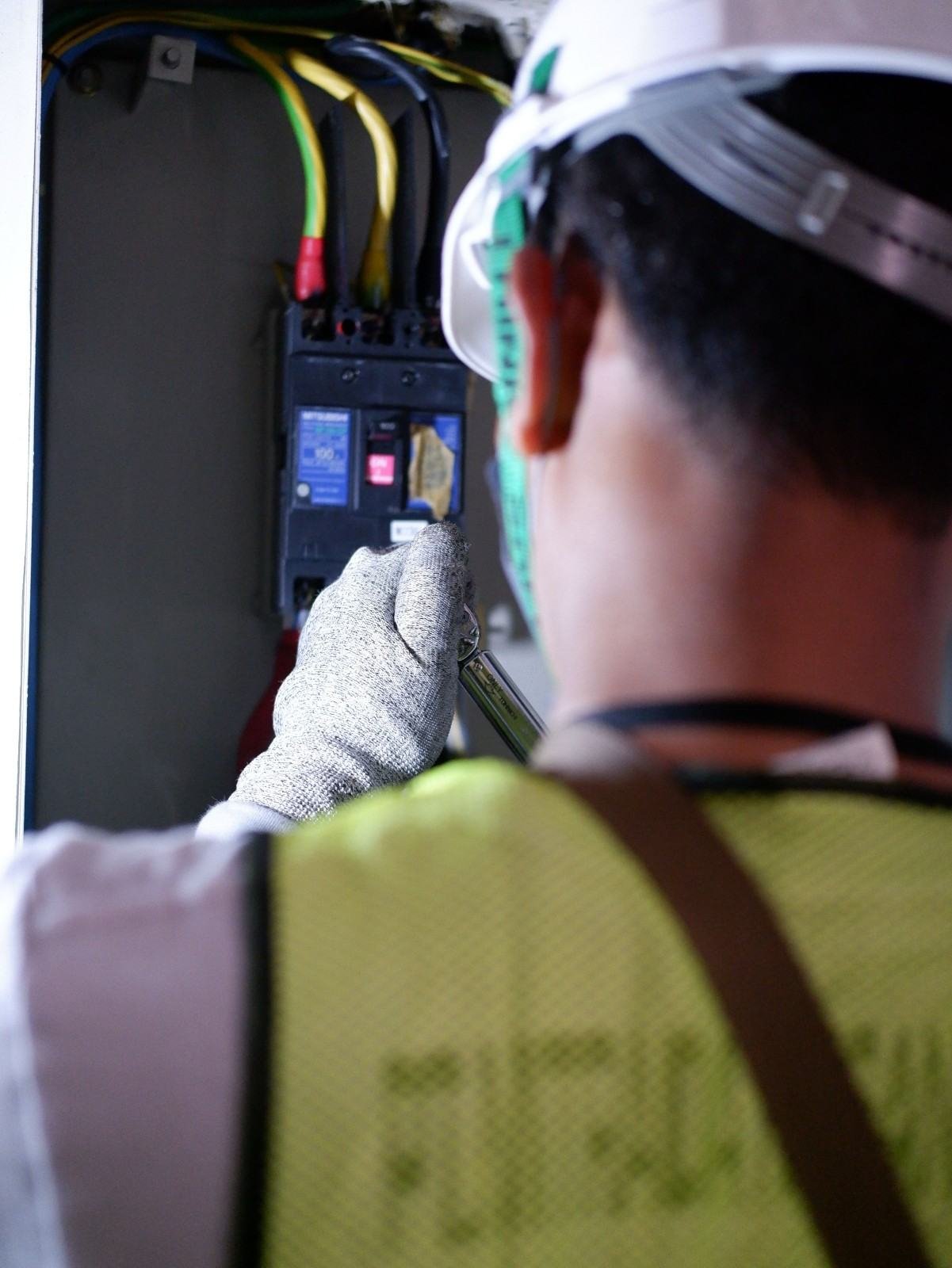
- Service-rated / whole-house ATS: installed between the meter and the main panel, usually 200 amps, carrying the entire house. Pairs with a generator sized for the full load or with load management. Some models also serve as the service disconnect, which simplifies the installation.
- Essential-circuit ATS (load center type): a smaller switch with its own breakers that feeds a chosen set of circuits — refrigerator, lights, outlets, one AC zone, internet, well pump. Less expensive, and it pairs with a smaller generator.
Sizing matters, and it confuses people. The transfer switch is sized to the service it carries, not the generator. A 200 amp service-rated ATS can be used on a home with a smaller service, but a 150 amp switch cannot carry a 200 amp service. We confirm the service size, the generator output, and the load before specifying anything.
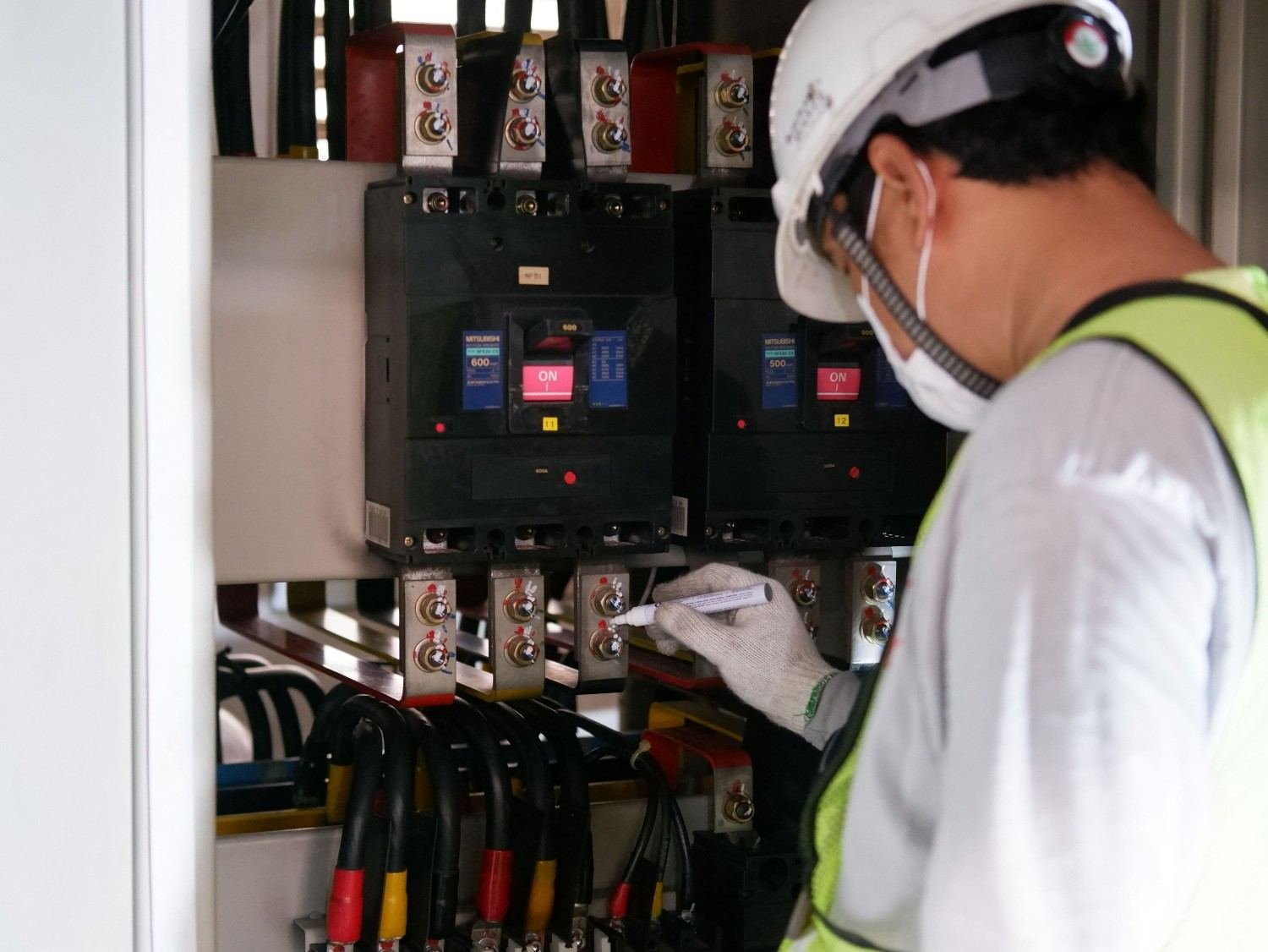
Transfer Switch Installation Cost
Job | Typical installed range* |
|---|---|
Interlock kit and generator inlet (portable) | $600 – $1,400 |
Manual transfer switch, essential circuits (portable) | $900 – $2,000 |
Automatic transfer switch, essential circuits | $1,500 – $2,500 |
200 amp service-rated whole-house ATS | $2,500 – $4,500 |
ATS replacement on an existing generator | $1,500 – $3,500 |
Included with a new standby generator installation | Part of the system price |
*Estimates for planning only, and they assume the existing service and panel are in good condition. Your price is confirmed after a site visit.
What affects it: amperage and whether the switch is service-rated, indoor or outdoor mounting, the distance from the meter and panel, the condition of your existing panel, whether a sub-panel is needed to separate circuits, and permit fees.
How We Install It
- Assessment: We confirm your service size, panel condition, generator output, and which circuits need to be covered.
- Permit: We pull the electrical permit with the City of West Palm Beach or Palm Beach County.
- Shutdown and mounting: Power is isolated, and the switch is mounted in an accessible location near the panel, in a weather-rated enclosure if it goes outside.
- Wiring: Utility conductors to the line terminals, feeders to the panel or sub-panel, generator power conductors, and the low-voltage control wiring that tells the generator to start. Neutrals and grounds are terminated per the manufacturer’s diagram — getting the neutral bonding wrong is one of the most common failures.
- Testing under load: We restore utility power, verify normal operation, then simulate an outage and confirm the generator starts, the switch transfers, the house carries the load, and the system transfers back and shuts down correctly.
- Inspection: We meet the inspector, close the permit, and set the exercise schedule.
A standalone transfer switch installation is usually a one-day job.
Common Transfer Switch Problems
If your generator starts but the house stays dark, or the generator never starts at all, the transfer switch is a likely suspect. What we find most often:
- Control wiring faults — the generator never gets the start signal, so nothing happens during an outage.
- Contactor failure — the switch won’t move the load, or chatters between sources.
- Corrosion in outdoor enclosures, which is common in coastal South Florida and often starts at a failed gasket.
- Loose or burned terminations, usually from connections that were never torqued correctly.
- Improper neutral bonding, which can cause nuisance trips or unsafe conditions.
- Utility-sensing or controller faults that leave the system stuck on one source.
We repair and replace transfer switches, including on generators installed by other companies, and we respond 24/7 during outages.
Permits, Code & Why a Licensed Electrician
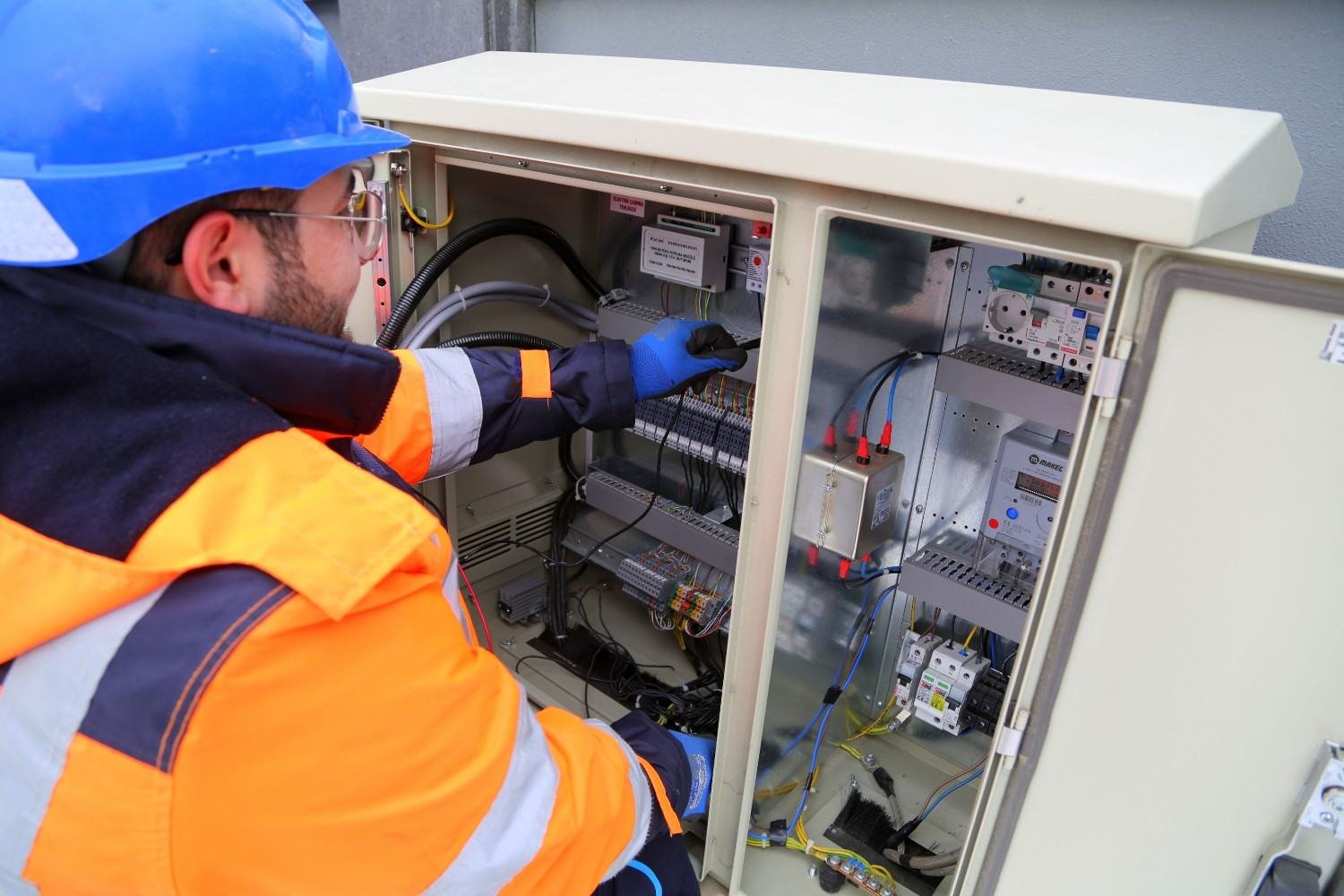
Installing a transfer switch means working on the conductors between your meter and your panel. In Florida, that work requires an electrical permit and inspection, and it must meet the Florida Building Code and the National Electrical Code. Beyond the legal requirement, unpermitted work on a service can create problems with insurance claims and home sales, and an improperly installed switch is one of the few electrical mistakes that endangers people outside your property.
Why West Palm Beach Homeowners Call Us
- Since 1976: 50 years of South Florida electrical work
- Florida statewide licensed unlimited electrical contractor: License EC13001410
- Licensed, insured & bonded
- Permits and inspections handled for you
- We service switches we didn’t install
- 24/7 emergency response during outages
Areas We Serve
We install and service transfer switches throughout West Palm Beach and South Florida, from Juno Beach to Fort Lauderdale, including Palm Beach, Palm Beach Gardens, North Palm Beach, Jupiter, Riviera Beach, Lake Worth Beach, Greenacres, Wellington, Royal Palm Beach, Boynton Beach, Delray Beach, and Boca Raton.

Frequently Asked Questions
On its own, most automatic transfer switch installations run about $1,500 to $3,500, with a 200 amp service-rated whole-house switch at the higher end. An interlock kit and inlet for a portable generator is $600 to $1,400. When you buy a standby generator, the switch is part of the system price.
Yes. The work connects to the service conductors between your meter and panel, requires a permit and inspection, and has to be done by a licensed electrical contractor. Google’s own guidance on this says the same thing.
Yes. In Palm Beach County and the City of West Palm Beach, transfer switch installations require an electrical permit and a final inspection. We handle both.
We strongly advise against it. The conductors you’d be working on may remain energized, the neutral bonding rules are easy to get wrong, and an incorrect installation can back-feed the utility lines. It also creates insurance and resale problems.
Generally yes — a switch rated above your service is acceptable, because the rating is a maximum. The reverse is not: a 150 amp switch cannot carry a 200 amp service. We verify the service rating and the load before specifying.
Control wiring faults that prevent the generator from starting, contactor failures, corrosion in outdoor enclosures, loose or burned terminations, and improper neutral bonding. In coastal homes, corrosion is the one we see most.
An ATS transfers the load automatically and works while you’re away. An interlock kit is a mechanical plate that prevents the main breaker and generator breaker from being on at once — cheaper, but you have to be home to start the generator and throw the switch.
A standalone transfer switch installation is usually a one-day job, plus inspection scheduling. It takes longer if a sub-panel is needed to separate circuits or if the panel needs work first.
It should be checked with the generator at every service visit: the exercise cycle, the transfer test under load, and the terminations and enclosure. Outdoor switches in salt air deserve a closer look at the gasket and corrosion.
Yes. We replace failed or obsolete transfer switches on existing generators, including units installed by other companies, and we size the replacement to your service rather than just matching what was there.
Get Your Transfer Switch Installed Right
Whether you’re adding a standby generator, connecting a portable safely, or replacing a switch that failed during the last storm, we’ll size it correctly, install it to code, and test it under load before we leave.
Call 561-582-2600 or email info@nassifelectric.com for a free assessment and a written price.