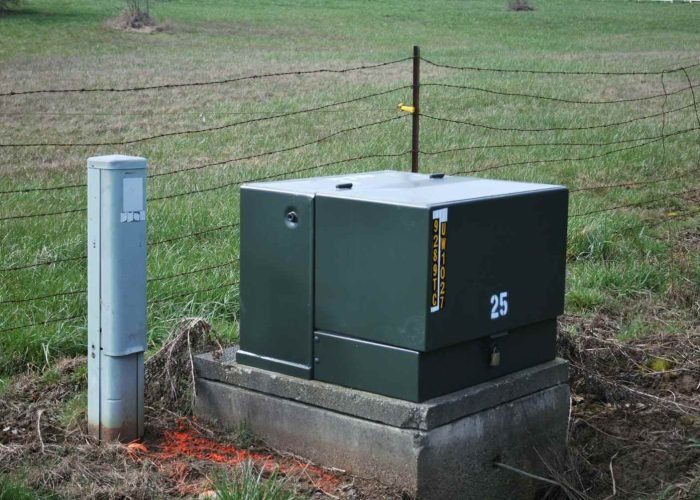
Generator Installation in West Palm Beach, FL
In South Florida, a power outage isn't an inconvenience, it's a week without air conditioning, a refrigerator full of spoiled food, and a sump or well that stops working. A standby generator starts automatically within seconds of an outage and runs your home until FPL restores power. Nassif Electric has installed and serviced backup power across South Florida since 1976. As a Florida statewide licensed unlimited electrical contractor (License EC13001410), we size the system, install the generator and transfer switch, pull the permits, and keep it running with scheduled maintenance. Call 561-582-2600 for a free site assessment and a written quote on generator installation in West Palm Beach.
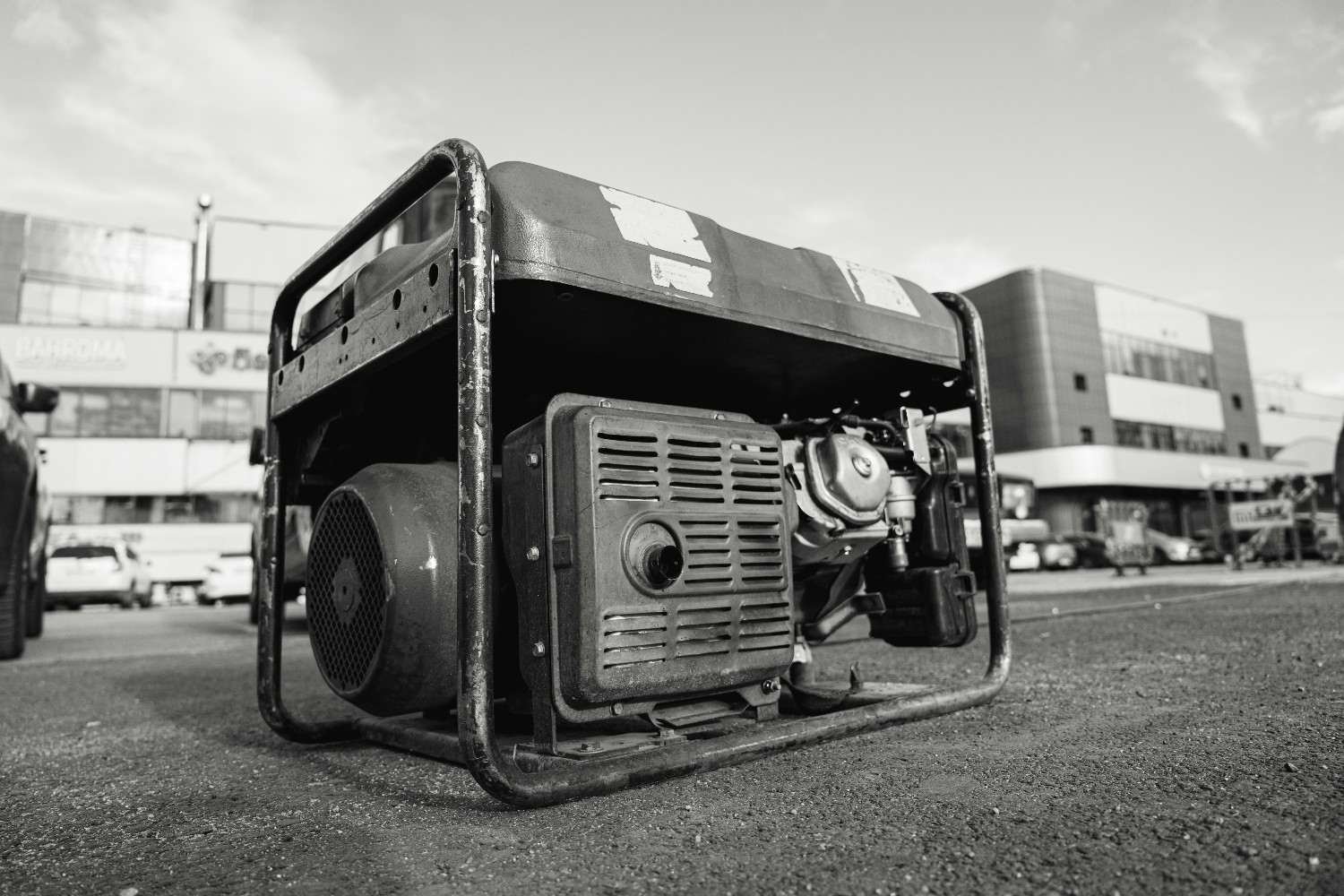
Standby vs. Portable: What Backup Power Actually Means
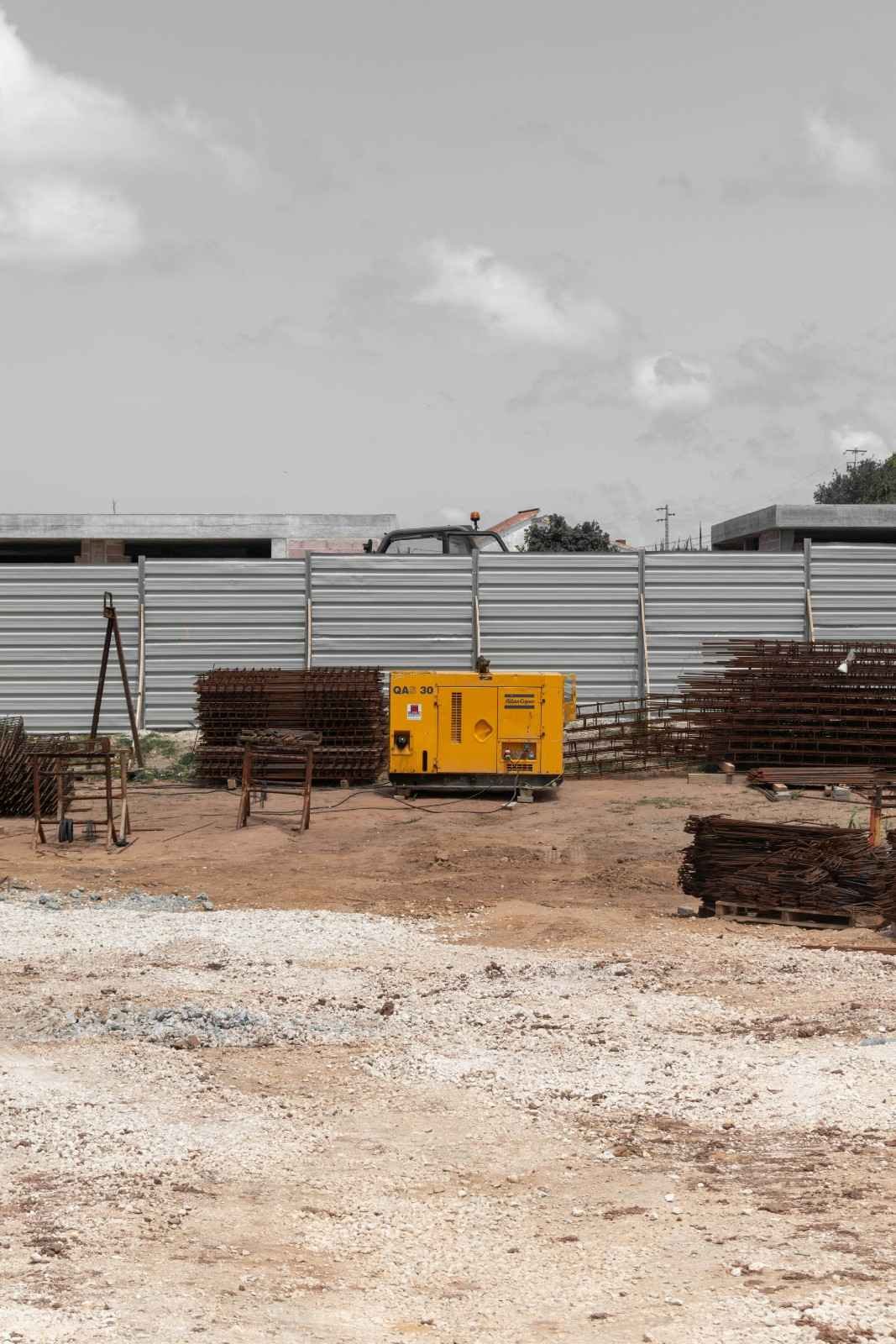
Portable generator | Standby (whole house) generator | |
|---|---|---|
Starts | You start it manually and run cords | Automatically, within seconds |
Powers | A few appliances | The whole home, or selected circuits |
Fuel | Gasoline you have to store and refill | Natural gas or propane, continuous |
Runtime | Hours per tank | Days, as long as fuel is supplied |
Installed by | You, with an inlet and interlock | A licensed electrician, permitted and inspected |
Typical cost | Hundreds to a few thousand | $8,000 – $20,000+ installed |
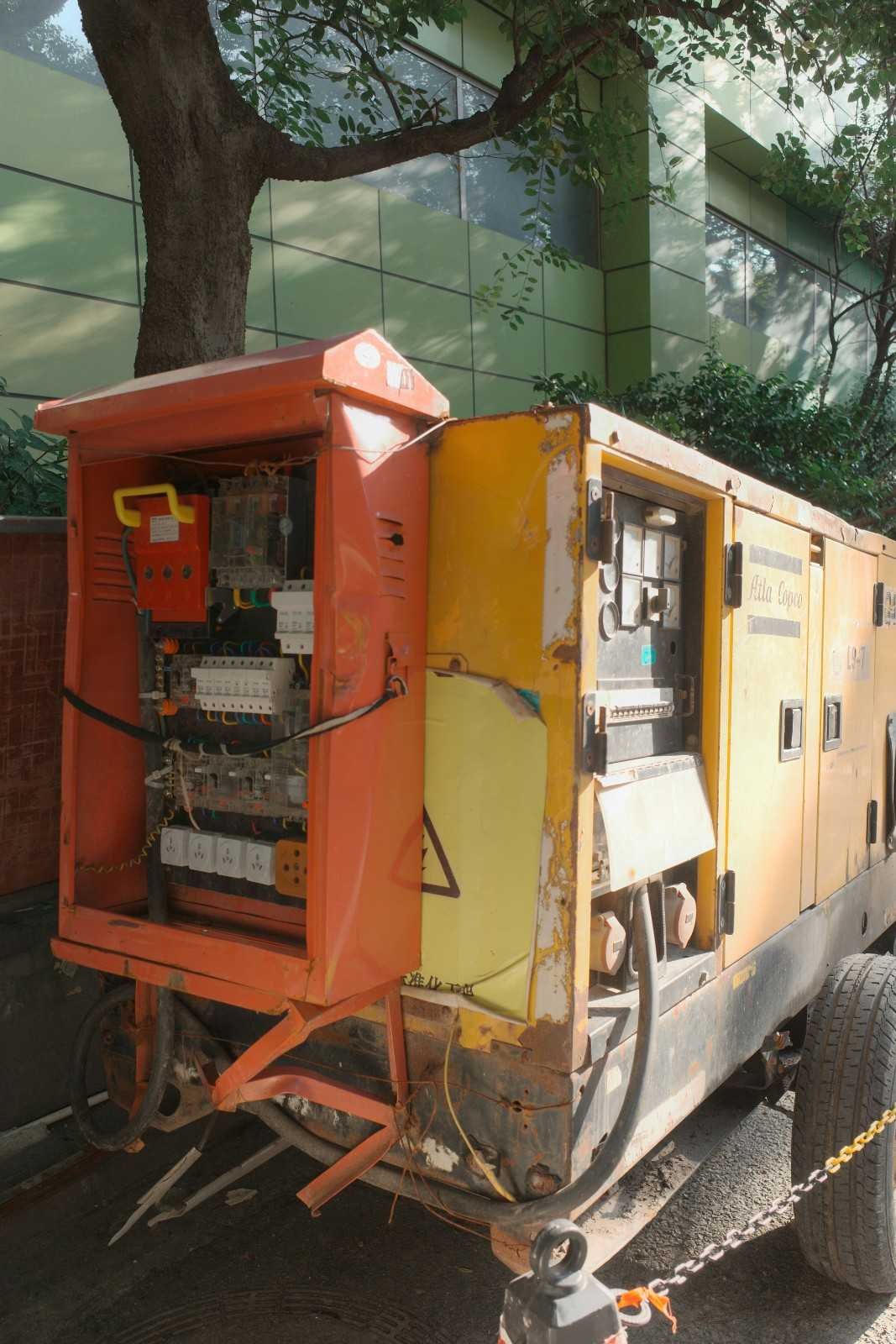
If you travel, have medical equipment, or simply don’t want to run extension cords in 90-degree heat after a storm, a standby unit is the practical answer. If a portable is what fits your budget, we install the inlet, interlock, or manual transfer switch to connect one safely, which matters: back-feeding a generator through a dryer outlet can kill a lineworker and burn down a house.
What Size Generator Does Your Home Need?
Generator sizing is a load calculation, not a square-footage rule of thumb. What matters is what starts at the same time, especially air conditioning, which draws a large surge at startup.
Coverage | Typical size | Usually covers |
|---|---|---|
Essential circuits | 10–14 kW | Refrigerator, lights, outlets, one AC zone, internet |
Most of the home | 18–22 kW | Central AC, kitchen, laundry, well or pool pump |
Whole home, larger houses | 24–38 kW | Multiple AC units, pool equipment, EV charging |
Estates & light commercial | 40 kW and up | Full load, often three-phase |
Load management can save you thousands. Smart load-management modules shed or stagger large loads, such as a second AC unit or a water heater, so a smaller generator can cover more of the house. We often cut a customer’s generator size by one tier this way, which lowers both the equipment cost and the fuel use.
Natural Gas or Propane?
- Natural gas: if your street has gas service, this is usually the easiest option. No tank, no refilling, and the supply keeps running during a storm. The gas line has to be sized for the generator’s demand, which sometimes means upsizing the meter or the run.
- Propane (LP): the common choice in areas without gas mains. You’ll need a tank sized for the runtime you want, above ground or buried, and tank placement has its own setback rules.
We’ll tell you which is available at your address and what the fuel work involves before you commit.
What About Lowe's or Home Depot Installation?
The big-box stores sell generators and subcontract the installation to a local contractor. You can get a fair price that way, but the company doing the work is the one you’ll be calling when the unit throws a code during a storm, and you usually don’t choose them. We sell, install, and service the system ourselves, pull our own permits, and answer the phone 24/7. Compare quotes on total installed price and on who maintains it afterward, not on the sticker price of the generator.
Permits, Codes & HOA Approval in Palm Beach County
Generator installations in Florida require permits and inspections — electrical, plus gas, and often a structural review for the pad and anchoring, since equipment must be secured to meet Florida’s wind-load requirements. Installations also have to meet the manufacturer’s clearances from windows, doors, vents, and the property line, which drives where the unit can physically go.
Most communities here also require HOA or architectural review, usually covering placement, screening, and sound. We lay out the installation to meet both the code and the association’s rules, and provide the documentation boards ask for. Nassif Electric handles the permit process and meets the inspectors.
Our Installation Process
- Site assessment & load calculation: We look at your panel, service size, fuel options, and placement, and recommend a generator size with or without load management.
- Written quote: One itemized price covering the generator, transfer switch, pad, electrical work, permits, and startup.
- Permits & approvals: We pull the permits and provide the documentation for HOA or architectural review.
- Site prep: Concrete pad or approved base, anchoring, conduit, and fuel line coordination.
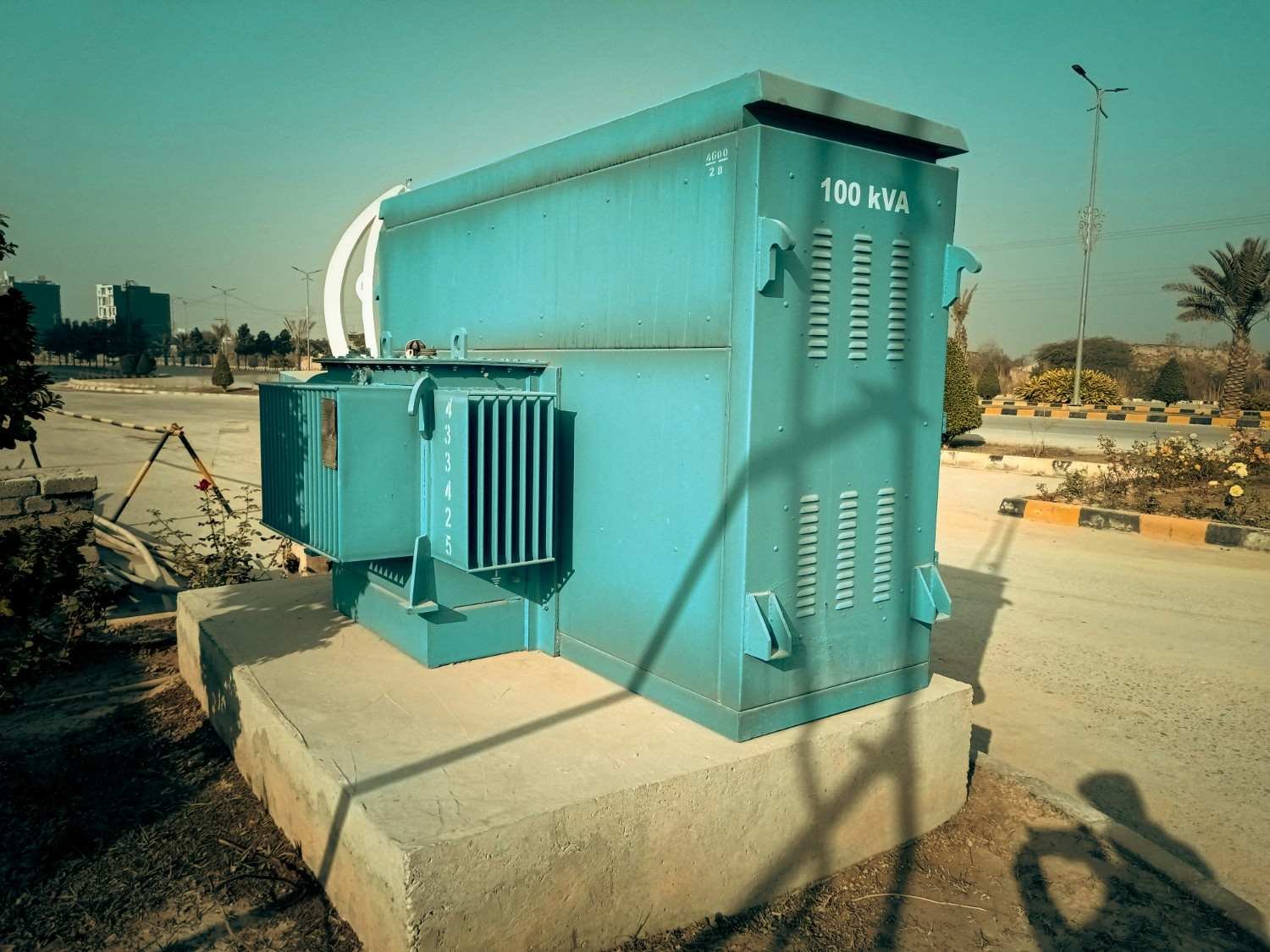
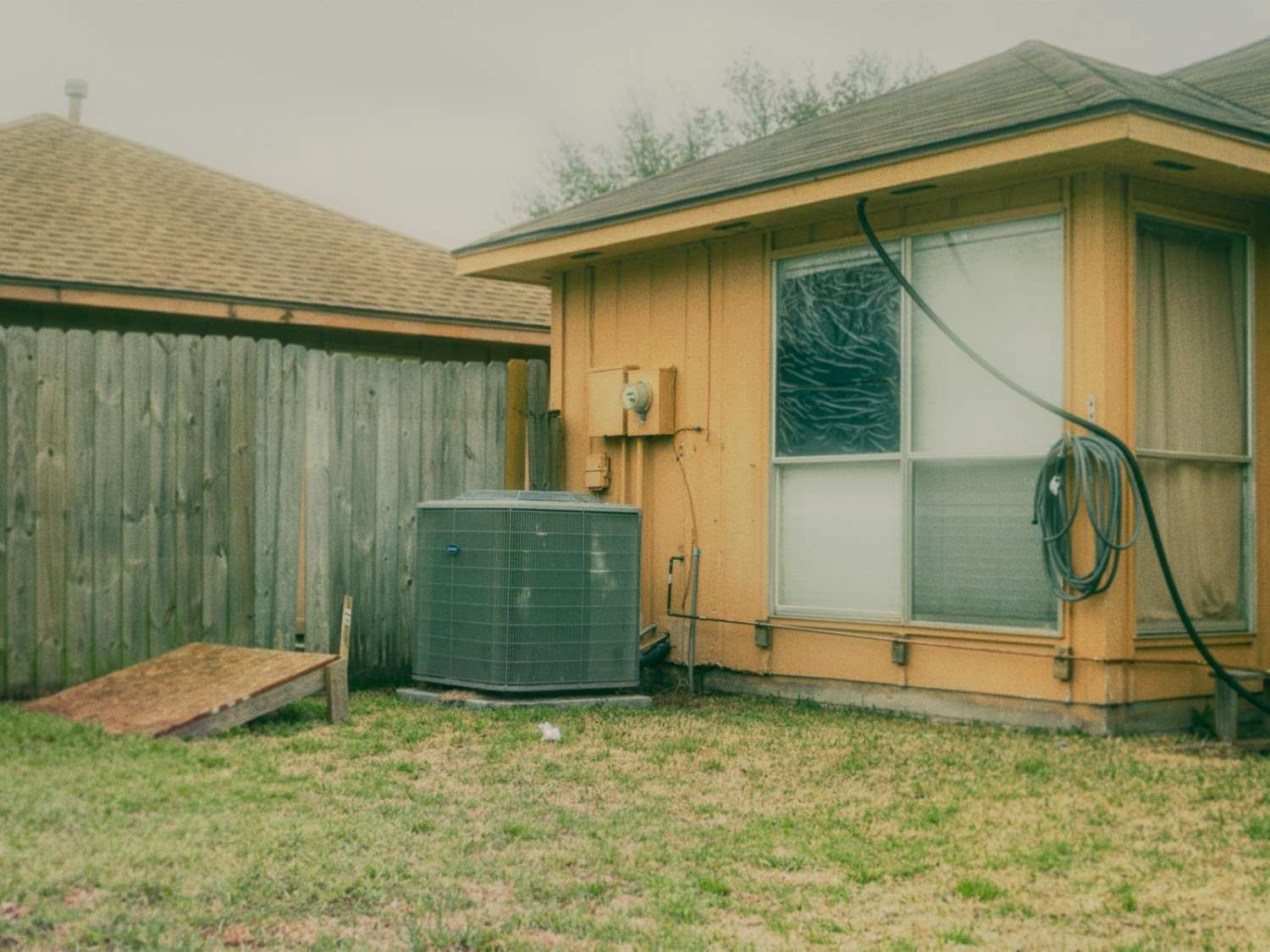
- Installation: We set the generator, install the automatic transfer switch, tie into your panel, and complete the grounding and bonding. Most residential installs take one to three days on site.
- Startup & commissioning: Fuel pressure checks, load testing, exercise schedule, and Wi-Fi monitoring setup where the unit supports it.
- Inspection & handover: We meet the inspector, walk you through operation, and leave you with the documentation.
Generator Maintenance & Repair
A standby generator is an engine that sits outside in salt air and runs a few minutes a week. It needs service to be there when you need it. We offer scheduled maintenance covering oil and filters, plugs, battery testing (the most common failure), coolant, fuel pressure, enclosure corrosion, and a load test. We also repair and service existing units, including those installed by other companies, and we respond 24/7 during outages.
Before hurricane season is the time to book service. In late June everyone calls at once.
Why West Palm Beach Homeowners Choose Nassif Electric
- Since 1976: 50 years of electrical work in South Florida, through a lot of hurricane seasons
- Florida statewide licensed unlimited electrical contractor: License EC13001410
- Licensed, insured & bonded
- Sales, installation, load management, and service from one company
- Permits, inspections, and HOA documentation handled for you
- 24/7 emergency response when the power goes out
Generator projects often need electrical work too. See our [200 amp panel upgrade] and [electrical service upgrade] pages, or our [EV charger installation] page if you’re planning both.

Areas We Serve
We install and service standby generators throughout West Palm Beach and South Florida, from Juno Beach to Fort Lauderdale, including Palm Beach, Palm Beach Gardens, North Palm Beach, Jupiter, Riviera Beach, Lake Worth Beach, Greenacres, Wellington, Royal Palm Beach, Boynton Beach, Delray Beach, and Boca Raton.
Frequently Asked Questions
In the West Palm Beach area, most whole house generator installations run about $8,000 to $20,000 installed. A 10–14 kW essential-circuit system is at the low end; a 22 kW or larger whole-home system with a propane tank is at the high end. The installation, pad, transfer switch, and permits often cost more than the generator itself.
Square footage alone doesn’t decide it — your air conditioning does. A 2,000 sq ft home in South Florida with central AC usually needs 18–22 kW for whole-home coverage, or 10–14 kW with load management for essential circuits. We run a load calculation rather than guessing.
Yes. Generator installations require electrical and gas permits and inspections, and often a structural review for the pad and anchoring to meet wind-load requirements. Most communities also require HOA or architectural approval. We handle the permits and provide HOA documentation.
Both sell generators and subcontract the installation to local contractors, so the price depends on who they assign and what your site needs. Compare total installed price, and ask who will service the unit afterward — with us, the company that installs it is the company that maintains it.
Most residential installations take one to three days on site. The overall timeline depends on permit approval, equipment availability, and fuel work, and it stretches during hurricane season when demand spikes.
Natural gas is usually simpler if your street has service: no tank, no refills, and the supply continues during storms. Propane is the answer where there is no gas main; you size the tank to the runtime you want. We confirm what’s available at your address.
Generally not for a typical home. There are narrow exceptions, such as documented medical necessity or business use of the property, and rules change. Ask a tax professional about your situation rather than counting on it.
Yes, with the right sizing. AC compressors draw a large surge at startup, which is the main factor in sizing. A soft start device on the AC, or a load-management module, can let a smaller generator carry the same load.
At least annually, and more often for units in coastal salt air. Batteries are the most common failure, which is why we test them at every visit. We offer scheduled maintenance plans and service units installed by other companies.
Yes. We install a generator inlet with a manual transfer switch or an approved interlock kit so a portable can power selected circuits safely. Never back-feed a generator through an outlet — it can energize the utility lines and injure line crews.
Get Ready Before the Next Storm
The best time to install a generator is the quiet part of the year. Once a storm is named, lead times stretch and schedules fill. We’ll size the system, give you one written price, and handle the permits and inspections.
Call 561-582-2600 or email info@nassifelectric.com to schedule your free generator site assessment.