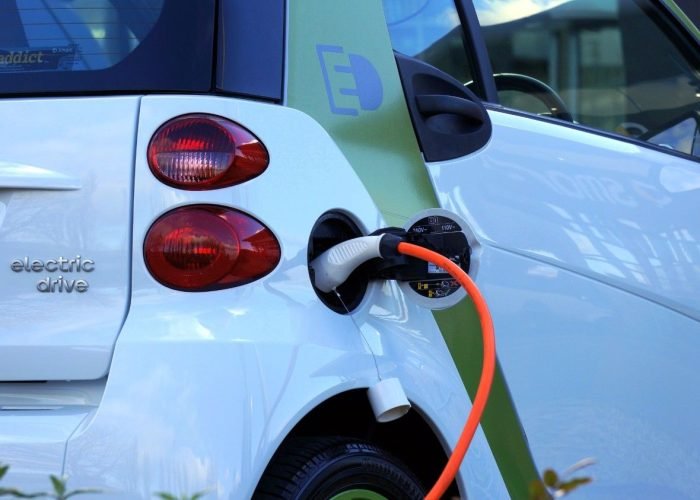
Commercial & Fleet EV Charging Installation in West Palm Beach, FL
Tenants ask for it, employees expect it, and fleets now depend on it. Whether you manage an office park, a condo association, a retail plaza, or a fleet depot, commercial EV charging installation is an electrical infrastructure project, not a product purchase. It needs a load study, the right service capacity, permits, and a design that can grow. Nassif Electric has handled commercial and industrial electrical work across South Florida since 1976. As a Florida statewide licensed unlimited electrical contractor (License EC13001410), we design and install workplace, fleet, and multifamily EV charging from the service entrance to the last parking stall, including the utility coordination with FPL. Call 561-582-2600 or email info@nassifelectric.com for a site assessment and a written proposal.
Who We Install For
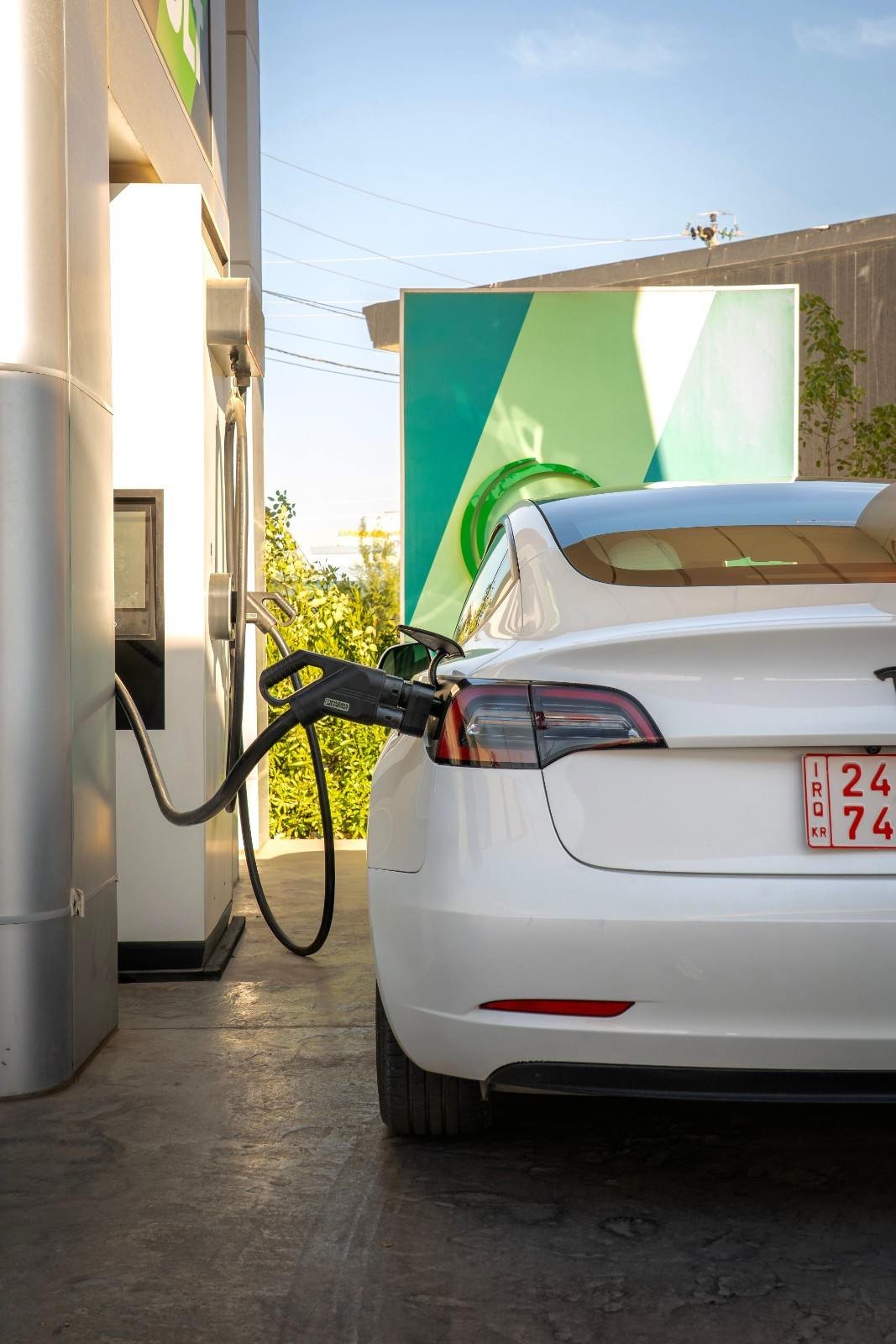
Workplace & Office Charging
Employee and visitor charging in office parks, medical buildings, and municipal lots. Networked Level 2 chargers let you set access rules, track usage by user, and bill or not bill as you choose.
Multifamily, Condo & HOA Charging
Apartment communities, condo towers, and HOAs in Palm Beach County are under real pressure from residents to provide charging. We design shared charging for garages and surface lots, with metering and load management so one panel can serve many spaces. Florida law also gives condo owners the right to install charging in their own parking space, subject to the association’s requirements, so associations benefit from having a written standard and a pre-qualified electrical contractor.
Fleet Charging
Depot charging for service vans, shuttles, delivery vehicles, and municipal fleets. Fleet sites need a hard look at the duty cycle: how many vehicles, how many kWh per night, and how many hours you actually have to charge them. We size the service and the charger count to that, and stage the build so the site can expand.
Retail, Hospitality & Public Charging
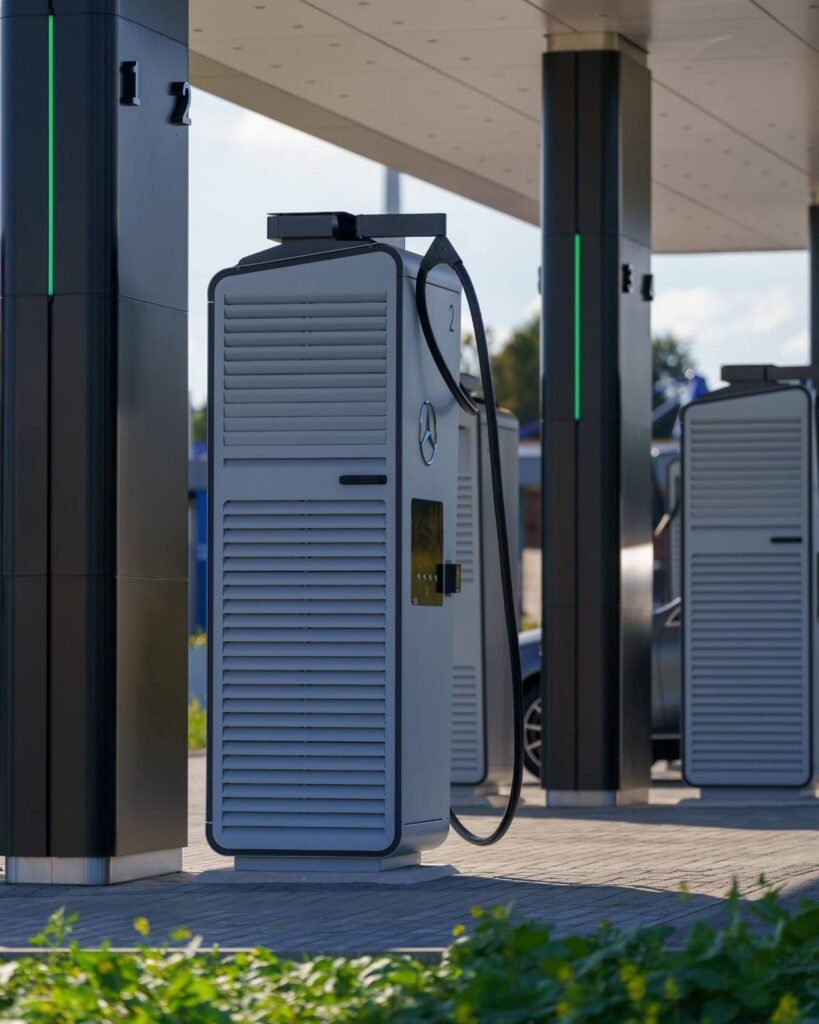
Shopping centers, restaurants, hotels, and marinas use charging to keep customers on site longer. These sites are also the best candidates for utility make-ready credits and for DC fast charging.
Level 2 or DC Fast Charging?
Level 2 (208/240V) | DC fast charging (DCFC) | |
Typical power | 7–19 kW per port | 50–350 kW per port |
Charge time | Several hours | 20–45 minutes |
Best for | Workplaces, multifamily, hotels, fleets that sit overnight | Retail, travel corridors, high-turnover public sites |
Electrical impact | Often fits existing service, or needs a service upgrade | Usually needs new utility service, a transformer, and a pad |
Relative cost | Thousands per port | Tens of thousands per port |
Most workplace, multifamily, and overnight fleet sites are best served by Level 2, because vehicles sit for hours anyway and the electrical cost per port is far lower. We’ll tell you honestly when DC fast charging is worth the infrastructure and when it isn’t.
FPL EVolution Make-Ready Credits
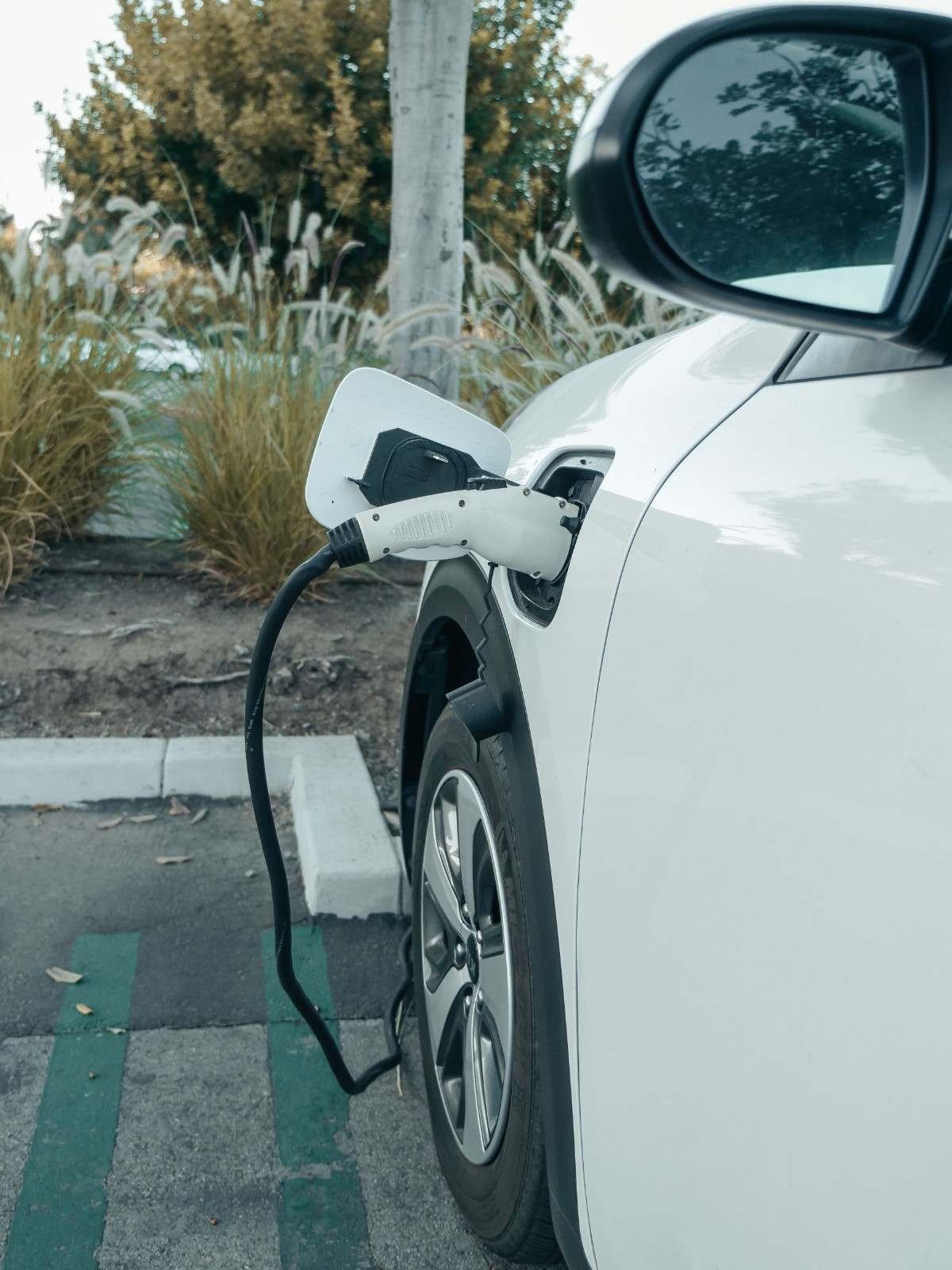
This is the part most property owners don’t know about. FPL’s EVolution Make-Ready Credit program covers the utility-side electrical work needed to support charging, including service lines, transformers, conduit, trenching, and concrete pads. The charging equipment itself is not covered.
Installation type | Credit available* |
|---|---|
Level 2 (public, workplace, fleet, or multifamily) | Up to $1,200 per port |
Public DC fast charging, 50–149 kW | Up to $20,000 per port ($120,000 site cap) |
Public DC fast charging, 150–249 kW | Up to $30,000 per port ($180,000 site cap) |
Public DC fast charging, 250 kW and above | Up to $50,000 per port ($300,000 site cap) |
*Funding is first-come, first-served and ends when the budget is exhausted. Confirm current terms and availability with FPL before budgeting a project.
Note that the federal 30C tax credit ended for property placed in service after June 30, 2026, so it no longer offsets new installations. Utility make-ready credits are now the main incentive in FPL territory, which makes early planning worth real money.
What Commercial EV Charging Costs
Published industry figures put commercial Level 2 installation at roughly $400 to $1,800 per port where electrical capacity already exists nearby, with hardware around $1,000 to $4,000 per unit and full installations ranging from $2,000 to $10,000 per port when trenching, new circuits, or service work is involved. Here is how that usually breaks down locally:
Commercial project | Typical range* |
|---|---|
Level 2 port, capacity nearby, surface mount | $1,500 – $3,500 per port |
Level 2 ports with trenching, bollards, and conduit runs | $3,000 – $8,000 per port |
Multi-port site with a new sub-panel and load management | Quoted per site |
Service upgrade or new transformer pad | Quoted; may qualify for FPL make-ready credits |
DC fast charging | Tens of thousands per port; make-ready credits apply |
Network subscription and payment processing | Ongoing, billed by the charger network |
*Estimates for planning only. Commercial projects are priced after a site assessment and load study.
What drives commercial cost: available capacity at your service, distance from the switchgear to the parking area, trenching and surface restoration, the number of ports and whether they share circuits, bollards and protection, ADA-accessible stall requirements, networking and payment hardware, and permit fees.
Is EV Charging Profitable for a Business?
For most workplaces, multifamily properties, and fleets, charging is not a profit center — it’s an amenity, a retention tool, or an operating cost that beats fuel. Retail and hospitality sites can charge for sessions, but revenue rarely pays for the equipment on its own. The returns that hold up are indirect: longer dwell time in retail, easier leasing and higher resident retention in multifamily, recruiting and ESG goals for employers, and lower per-mile cost for fleets. We’ll help you size a system that fits the actual return you’re chasing, instead of overbuilding.
Our Process for Commercial Projects
- Site assessment & load study: We evaluate your service capacity, switchgear, and parking layout, and confirm how many ports you can support today.
- Design & proposal: Charger count and placement, circuit and load-management strategy, conduit routing, and a staged plan for future ports, with an itemized price.
- Utility coordination: We work with FPL on service capacity, transformer requirements, and the EVolution Make-Ready Credit process where the site qualifies.
- Permitting: We pull the electrical permit with the City of West Palm Beach or Palm Beach County and coordinate with your general contractor or property manager.
- Installation: Service or panel work, trenching and conduit, concrete and bollards, charger mounting, and terminations, scheduled around your operating hours.
- Commissioning & inspection: We test each port, connect the chargers to their network, walk the site with your team, and close out the permit.
- Service & expansion: Ongoing maintenance, repairs, and adding ports as demand grows.
Code, ADA & Compliance
Commercial charging installations must meet the Florida Building Code and the National Electrical Code, including the requirements for EV supply equipment, and the work must be permitted and inspected. Sites open to the public or to employees also have accessibility requirements for the stalls and the routes serving them, and local zoning may affect signage and striping. We design to these requirements from the start, because retrofitting an inspection failure in a parking lot is expensive.
Why Property Managers & Fleet Operators Choose Nassif Electric
- Since 1976: 50 years of residential, commercial, and industrial electrical work in South Florida
- Florida statewide licensed unlimited electrical contractor: License EC13001410 — no limit on project size
- Licensed, insured & bonded
- Full-scope capability: service upgrades, switchgear, panels, trenching, and chargers from one contractor
- Permits, inspections, and FPL coordination handled for you
- 24/7 emergency response for sites that can’t be down

Areas We Serve
We install commercial, fleet, and multifamily EV charging throughout West Palm Beach and South Florida, from Juno Beach to Fort Lauderdale, including Palm Beach, Palm Beach Gardens, North Palm Beach, Jupiter, Riviera Beach, Lake Worth Beach, Greenacres, Wellington, Royal Palm Beach, Boynton Beach, Delray Beach, and Boca Raton.
Frequently Asked Questions
Commercial Level 2 ports typically run about $1,500 to $3,500 each when electrical capacity is nearby, and $3,000 to $8,000 each when trenching, conduit, and protection are needed. DC fast charging runs into the tens of thousands per port. We price each site after a load study.
Yes. FPL’s EVolution Make-Ready Credit program covers utility-side infrastructure for qualifying sites, up to $1,200 per Level 2 port and up to $20,000–$50,000 per DC fast charging port depending on power level, with site caps. Funding is first-come, first-served. The federal 30C tax credit ended for equipment placed in service after June 30, 2026.
That depends on your available service capacity, not your parking count. A load study tells us how many ports you can add today, and load management or power sharing often doubles that number without a service upgrade.
Not always. Many properties have spare capacity, especially outside peak hours. Where capacity is short, a service upgrade or new transformer may be needed, and that work is exactly what FPL’s make-ready credits are meant to offset.
It’s very common now. We design shared charging with per-user metering so residents pay for their own energy, and we work with boards and managers on placement and policy. Florida law also allows condo owners to install charging in their own space, subject to association requirements.
Networked chargers handle access control, session pricing, and payment. You choose whether to offer charging free as an amenity, at cost, or at a markup. We install the equipment and coordinate with your chosen network.
Usually the value is indirect: longer customer dwell time, easier leasing and resident retention, employee recruiting, and lower fleet fuel costs. Session revenue alone rarely covers the equipment quickly, so we size systems to the return you’re actually after.
Yes. Commercial EV charging requires an electrical permit and inspection, and must meet the Florida Building Code and NEC, with accessibility requirements for public and employee parking. We handle permitting and inspections.
Yes. Fleet sites are sized around the duty cycle: vehicles, kWh per night, and the charging window. Most depots are served best by Level 2 with load management, staged so ports can be added as the fleet converts.
Yes, and it’s far cheaper if we plan for it now. We size conduit, panels, and trenching for future ports during the first build, so adding chargers later is mostly a matter of mounting and connecting them.
Start With a Site Assessment
Tell us the property type, how many spaces you’re considering, and your timeline. We’ll do the load study, tell you what your service can support, and put a real number and schedule in front of you.
Call 561-582-2600 or email info@nassifelectric.com to schedule a commercial EV charging site assessment.