DC Fast Charging Station Installation in West Palm Beach, FL
DC fast charging (also called Level 3) is a different class of project from a wall-mounted charger. A single fast charger can draw as much power as a small commercial building, and the work usually starts at the utility transformer, not at the parking space. Nassif Electric has handled commercial and industrial electrical work across South Florida since 1976. As a Florida statewide licensed unlimited electrical contractor (License EC13001410), we assess sites, coordinate with FPL, and build the electrical infrastructure that commercial fast charging requires. Call 561-582-2600 or email info@nassifelectric.com for a DC fast charging site feasibility review.
What Is a DC Fast Charger?
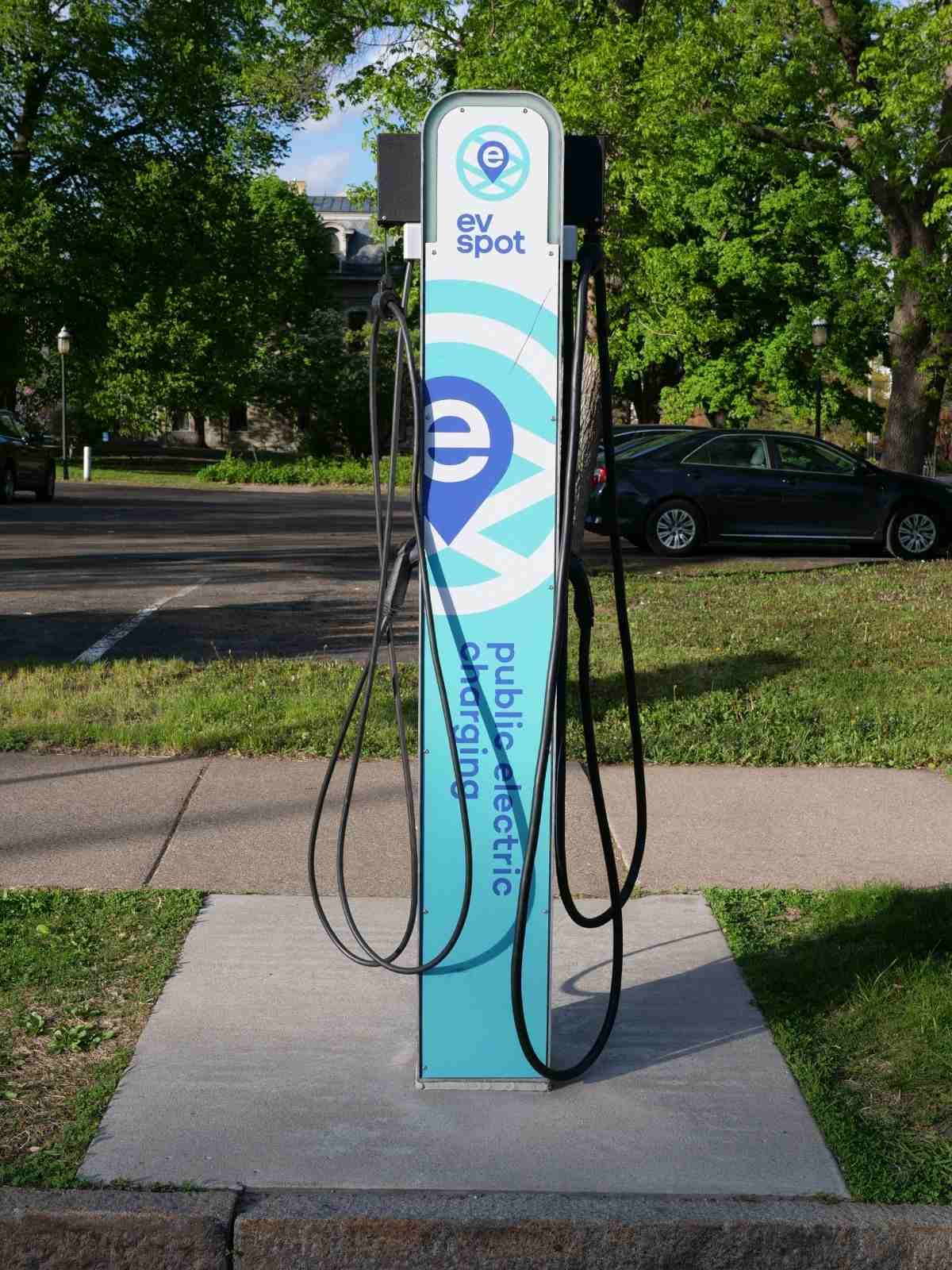
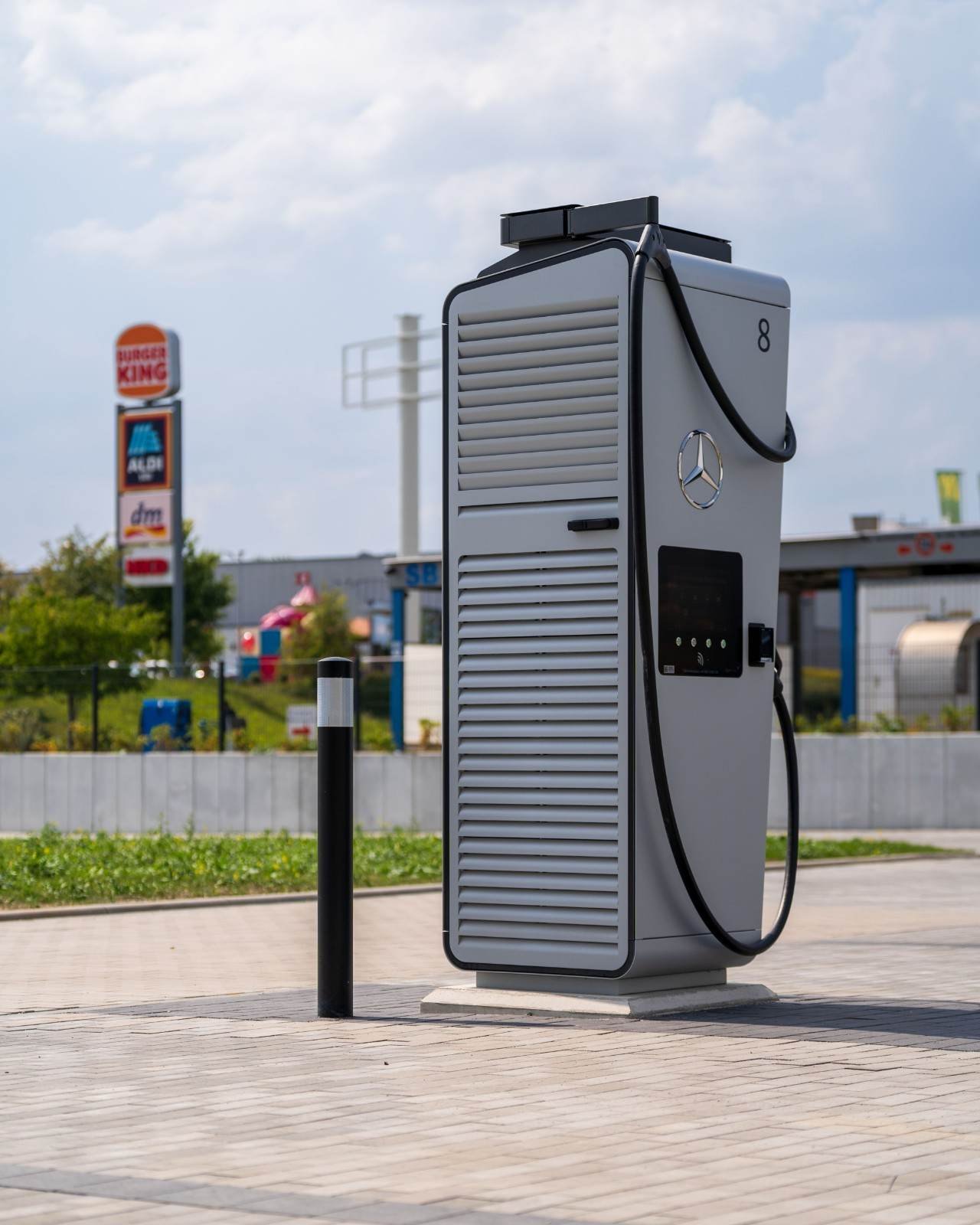
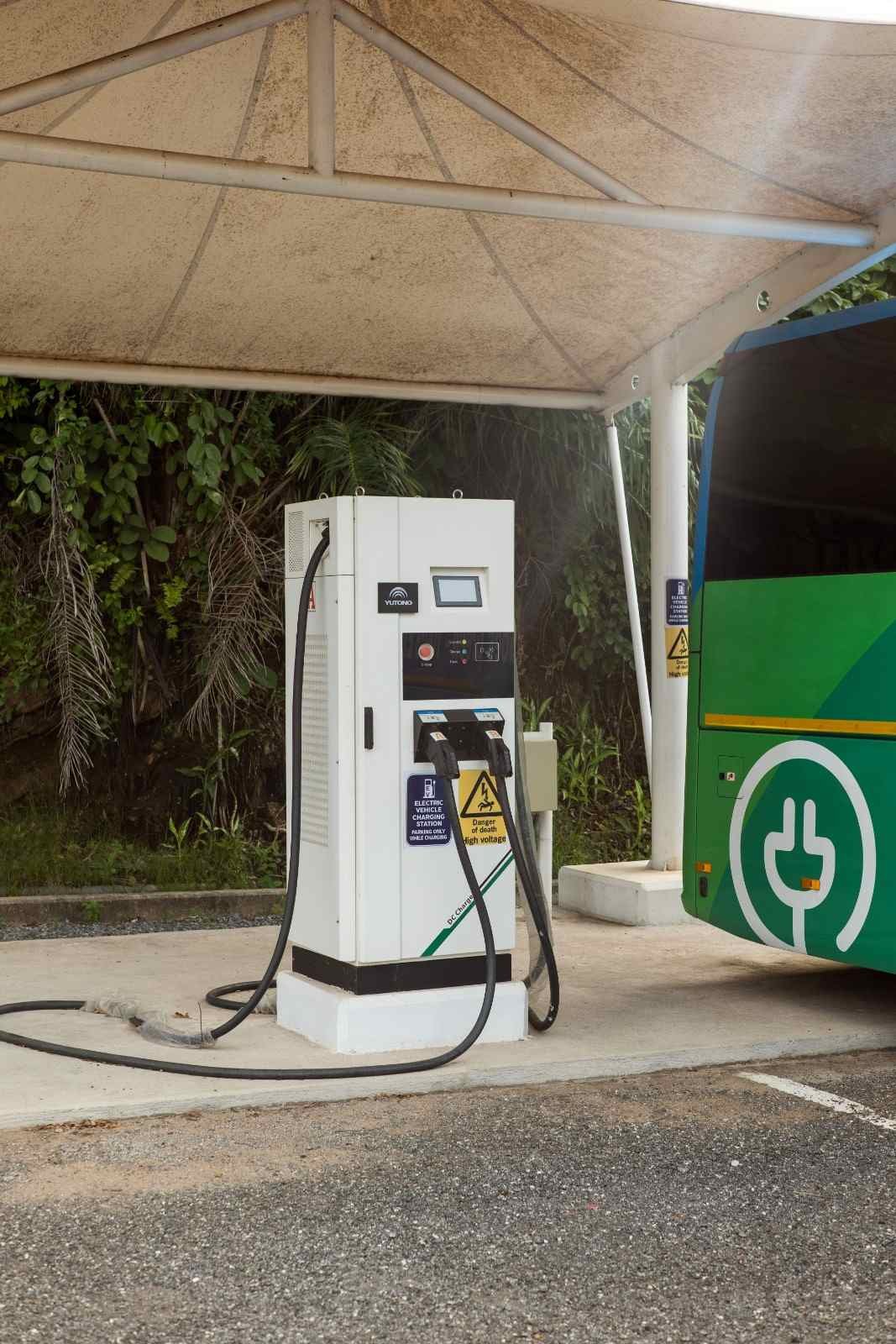
Level 1 and Level 2 chargers supply AC power, and the car’s onboard charger converts it to DC for the battery. That onboard charger is the bottleneck, usually 7 to 11 kW. A Level 3 EV charger does the conversion itself and feeds DC power straight to the battery, bypassing that limit entirely.
|
Level 2 |
DC fast charging (Level 3) |
|
|---|---|---|
|
Power supplied |
AC, 7–19 kW |
DC, 50–350 kW |
|
Typical service |
208/240V single or three-phase |
480V three-phase |
|
Charge time |
Several hours |
20–45 minutes to 80% |
|
Equipment footprint |
Wall or pedestal mount |
Cabinet on a concrete pad, sometimes a separate power cabinet |
|
Site requirements |
Often fits existing service |
Usually new service, transformer, switchgear, trenching |
|
Cost per port |
Thousands |
Tens of thousands |
Can You Install a DC Fast Charger at Home?
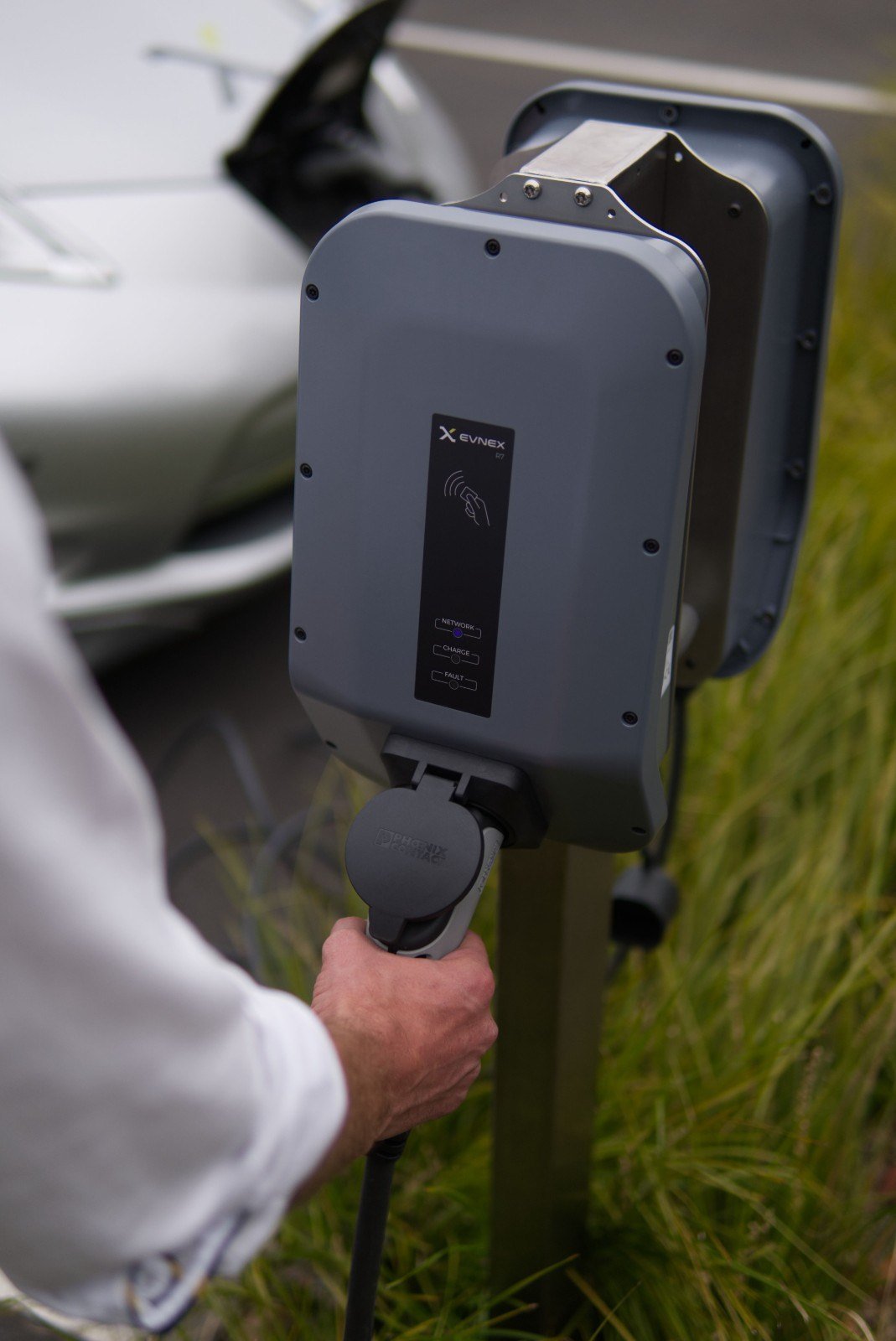
In practice, no. A home DC fast charger would need 480V three-phase service, a dedicated transformer, and a utility service most residential streets can’t deliver, and the equipment alone costs more than a car. There’s also no benefit: your car sits at home for eight hours, and a Level 2 charger fills it overnight for a fraction of the price. If you’re looking for fast home charging, our [Level 2 EV charger installation] page covers what actually makes sense.
What a DC Fast Charging Site Actually Requires
Before anyone quotes equipment, these are the questions that decide whether a site works:
- Available power. A 150 kW charger draws roughly 180 amps at 480V three-phase. Two or three of them is a new service, not a spare breaker.
- Utility capacity at the street. FPL has to confirm the feeder and transformer can support the load, and a transformer upgrade or new pad may be required.
- Switchgear and metering. Most sites need a dedicated service, distribution equipment, and separate metering for the chargers.
- Physical space. Charger cabinets, power cabinets, pads, bollards, and the clearances required around them, plus turning room for vehicles.
- Trenching and conduit routing across parking lots, with restoration.
- Accessibility. Stalls, routes, and equipment reach ranges have to meet accessibility requirements for public and employee parking.
- Network and payment systems, plus cellular or hardwired connectivity for the chargers.
- Permits and inspections with the City of West Palm Beach or Palm Beach County.
The Economics: Demand Charges Matter More Than You Think
A commercial electric bill has two parts: the energy you use, and a demand charge based on your highest 15-minute peak. A single 150 kW charging session can set a new peak for the entire month. At a site with light baseline load, demand charges can easily exceed the cost of the electricity itself.
That is why site design matters as much as equipment selection. Power sharing between ports, output limits, scheduled charging, and in some cases battery storage all reduce the peak. We model this with you before the design is locked, because it changes the operating cost for the life of the site.
FPL Make-Ready Credits for DC Fast Charging
FPL’s EVolution Make-Ready Credit program covers the utility-side infrastructure that makes fast charging possible: service lines, transformers, conduit, trenching, and concrete pads. The charging equipment itself is not covered.
|
Public DCFC power level |
Credit available* |
|---|---|
|
50–149 kW |
Up to $20,000 per port ($120,000 site cap) |
|
150–249 kW |
Up to $30,000 per port ($180,000 site cap) |
|
250 kW and above |
Up to $50,000 per port ($300,000 site cap) |
|
Level 2 (for comparison) |
Up to $1,200 per port |
For a public site, these credits often decide whether a project pencils out. They also reward early movers, since funding is limited.
What DC Fast Charging Costs
Industry figures put a DC fast charging port in the tens of thousands of dollars, with hardware and site work in similar proportions. The hardware price scales with power, and the electrical work scales with how far your site is from adequate power.
|
DCFC project element |
Typical range* |
|---|---|
|
Charger hardware, 50–100 kW |
Tens of thousands per unit |
|
Charger hardware, 150–350 kW |
Substantially higher, often with a separate power cabinet |
|
Electrical infrastructure (service, switchgear, transformer pad) |
Quoted per site; often the largest line item |
|
Trenching, conduit, pads, bollards, and restoration |
Quoted per site |
|
Utility make-ready work |
May be largely offset by FPL credits |
|
Network subscription, payment processing, maintenance |
Ongoing |
*Ranges are directional. DC fast charging is priced after a site assessment, a utility capacity check, and a design — anyone quoting a flat price before that is guessing.
Who DC Fast Charging Is Right For
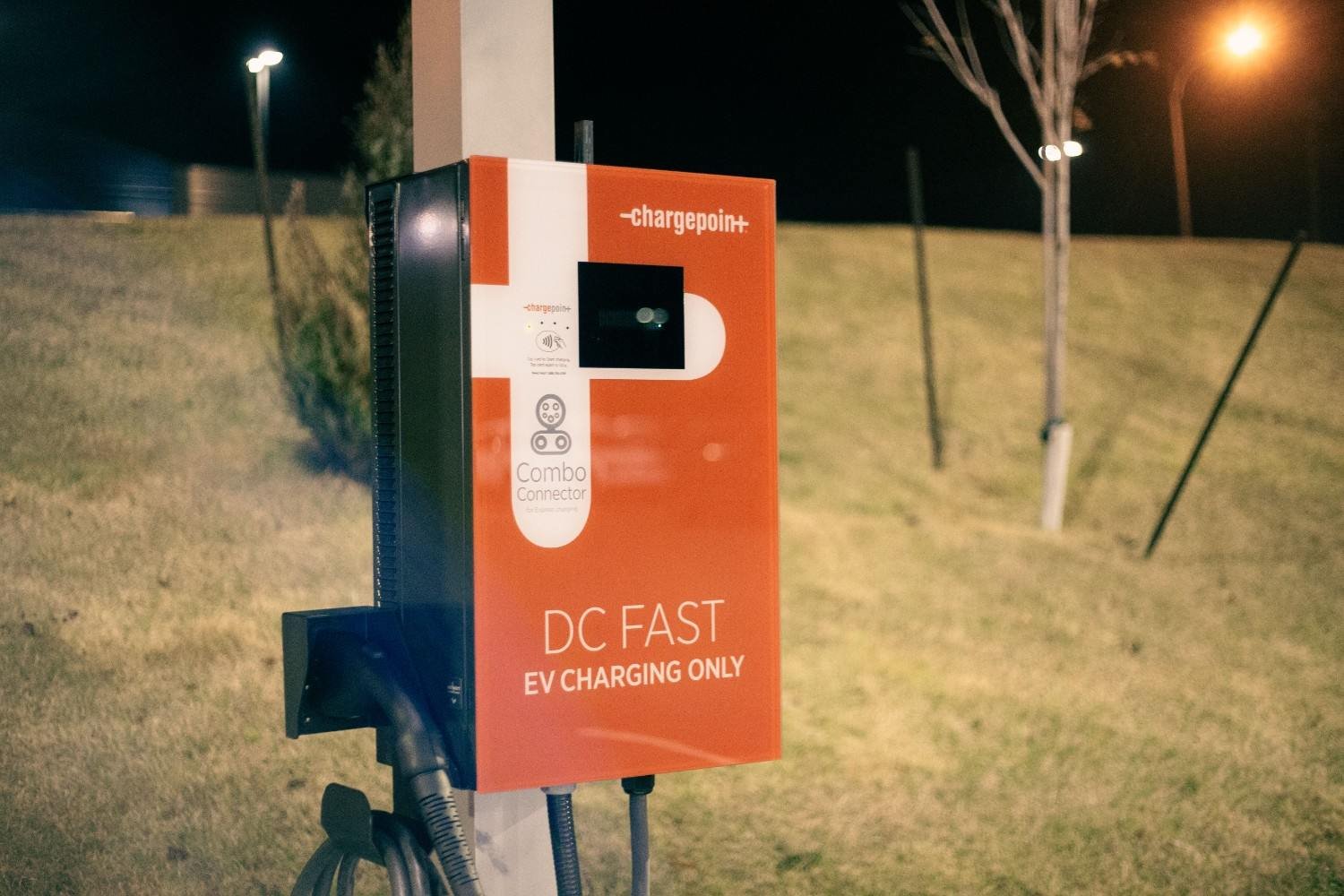
- Retail centers, restaurants, and travel stops where drivers stay 20–45 minutes
- Hotels and resorts offering fast charging as an amenity or revenue stream
- Car dealerships, especially EV franchises with delivery and service charging needs
- Fleets with tight turnarounds, such as rideshare, delivery, and shuttle operations
- Public and municipal sites and corridor locations
If vehicles at your site park for hours, Level 2 will serve more vehicles per dollar. See our [commercial and fleet EV charging] page for that comparison.
Our Process
- Feasibility review: We look at your existing service, the utility feed, and your parking layout, and tell you early whether the site supports fast charging.
- Utility coordination: We work with FPL on capacity, transformer requirements, metering, and the EVolution Make-Ready Credit application where the site qualifies.
- Design & proposal: Charger count and power level, service and switchgear design, conduit and pad layout, accessibility, and load-management strategy, with an itemized price.
- Permitting: Electrical permits with the City of West Palm Beach or Palm Beach County, coordinated with your civil and general contractors.
- Construction: Service and switchgear installation, trenching and conduit, pads and bollards, charger setting and termination, staged around your operations.
- Commissioning & inspection: Testing under load, network connection, inspection sign-off, and a walkthrough with your team.
- Service & expansion: Maintenance, repairs, and adding ports later using the capacity and conduit we designed in from the start.
Why Nassif Electric
- Since 1976: 50 years of commercial and industrial electrical work in South Florida
- Florida statewide licensed unlimited electrical contractor: License EC13001410 — no limit on project size
- Licensed, insured & bonded
- Service, switchgear, and distribution experience, which is what fast charging really depends on
- Permits, inspections, and FPL coordination handled for you
- 24/7 emergency response for sites that can’t be down

Areas We Serve
We install and service EV charging infrastructure throughout West Palm Beach and South Florida, from Juno Beach to Fort Lauderdale, including Palm Beach, Palm Beach Gardens, North Palm Beach, Jupiter, Riviera Beach, Lake Worth Beach, Greenacres, Wellington, Royal Palm Beach, Boynton Beach, Delray Beach, and Boca Raton.
Frequently Asked Questions
Expect tens of thousands of dollars per port once hardware, electrical infrastructure, and site work are counted, and more at 150 kW and above. The electrical side often costs as much as the charger. We price it after a site assessment and a utility capacity check.
Realistically, no. It requires 480V three-phase service and a dedicated transformer that residential streets don’t provide, and the equipment costs more than most cars. A Level 2 charger fully recharges overnight at a fraction of the cost.
The highest-power units cost substantially more than 50–100 kW models, usually with a separate power cabinet, and they need service capacity to match. Most commercial sites in Palm Beach County are better served by 100–180 kW units unless they sit on a travel corridor.
Typically 480V three-phase. A 150 kW charger draws roughly 180 amps at that voltage, so multiple ports usually mean a new service and often a transformer upgrade.
Level 2 supplies AC power and the car converts it, limiting the rate to about 7–19 kW. Level 3 supplies DC directly to the battery at 50–350 kW, so it charges in minutes instead of hours, but it needs far more electrical infrastructure.
Yes. FPL’s EVolution Make-Ready Credit covers utility-side infrastructure for public DCFC of 50 kW or more, up to $20,000–$50,000 per port depending on power level, with site caps and first-come, first-served funding. The federal 30C credit ended for equipment placed in service after June 30, 2026.
Commercial bills include a charge based on your highest 15-minute peak demand. One fast-charging session can set that peak for the whole month, so design choices such as power sharing, output limits, and storage have a real effect on operating costs.
Longer than most people expect. Utility capacity review and equipment lead times usually drive the schedule, and permitting and site work run in parallel. We give you a realistic timeline at the feasibility stage, not an optimistic one.
Often, yes, but it depends on the service capacity at that site. We start with a load study and a utility check, then design the addition so existing chargers stay in service during construction where possible.
Yes. Commercial charging requires electrical permits and inspections, must meet the Florida Building Code and NEC, and has accessibility requirements for the stalls and routes. We handle permitting and inspections.
Start With a Feasibility Review
Tell us the site address, how many ports you’re considering, and the power level you have in mind. We’ll check what your service and the utility feed can support and tell you early whether the project makes sense, before anyone spends money on design.
Call 561-582-2600 or email info@nassifelectric.com to schedule a DC fast charging feasibility review.