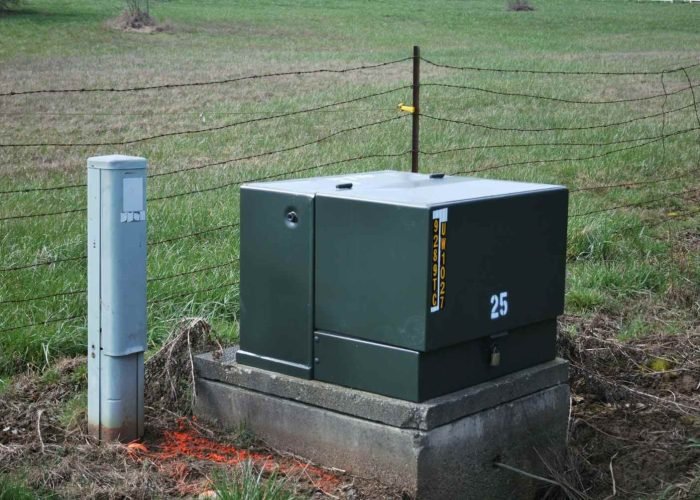
Whole-House Generator Installation in West Palm Beach, FL
A whole-house generator is the version of backup power you don't have to think about. The power goes out, the unit starts on its own within seconds, and the house keeps running: air conditioning, refrigeration, well or pool pump, internet, medical equipment. When FPL restores power, it switches back and shuts down. Nassif Electric has installed backup power across South Florida since 1976. As a Florida statewide licensed unlimited electrical contractor (License EC13001410), we size the system to your home, install the generator and automatic transfer switch, pull the permits, and service it afterward. Call 561-582-2600 for a free in-home assessment and one written price for your whole house generator installation.
What "Whole House" Actually Means
The term gets used loosely. There are really three levels of coverage, and the honest conversation is about which one you want to pay for:
Coverage | What runs | Typical size |
|---|---|---|
Essential circuits | Refrigerator, lights, outlets, internet, one AC zone | 10–14 kW |
Managed whole-home | Everything, with load management staggering large loads | 18–22 kW |
True whole-home | Everything at once, no load shedding | 24–38 kW |
Managed whole-home is what most South Florida homes actually need. Load-management modules shed or delay a second AC compressor, a water heater, or a pool pump for a few minutes so a smaller generator carries the house. In practice you don’t notice, and it can save you a generator size and several thousand dollars.
What Size Generator for Your House?
Square footage is a rough guide at best. In Florida, air conditioning decides the size, because compressors draw a large surge when they start. These are typical starting points, confirmed by a load calculation:
Home | Air conditioning | Typical generator |
|---|---|---|
Up to ~1,800 sq ft | One system, 2–3 tons | 14–18 kW |
~2,000–2,800 sq ft | One to two systems | 18–22 kW |
~3,000–4,500 sq ft | Two systems, pool equipment | 24–26 kW |
4,500+ sq ft or estate | Multiple systems, pool, EV charging | 32–48 kW, sometimes three-phase |
Two things change the answer: a soft-start device on the AC compressor reduces the surge and can let a smaller unit carry it, and load management spreads the big loads out. We check both before quoting, because the cheaper system that still runs your house is the better system.
Whole House Generator Cost in West Palm Beach
Generac puts a typical installed cost at $8,000 to $16,000 including the generator. In Palm Beach County, most installations land in that range, with larger homes and propane sites running higher.
System | Typical installed range* |
|---|---|
14–18 kW, essential to partial coverage | $9,000 – $13,000 |
20–22 kW, managed whole-home | $12,000 – $17,000 |
24–26 kW, large home | $16,000 – $22,000 |
32 kW and above | $22,000 – $35,000+ |
Propane tank, pad, and gas piping | Added; depends on tank size and placement |
Elevated platform for a flood-zone property | Added; engineered per site |
Panel or service upgrade, if required | See our panel upgrade pricing |
*Estimates for planning only. Your exact price comes from a site visit and a load calculation.
What moves the number: generator size and brand, natural gas versus propane, the distance from the unit to the panel and the fuel source, pad or platform work, whether your electrical service needs upgrading, permit fees, and screening or landscaping the HOA requires.
Is a Whole-House Generator Worth It?
circuits system or a portable with an interlock may be the better buy. We’ll tell you which we think fitsHere’s the straight version. It’s worth it if you lose power more than briefly, if your household includes someone who needs refrigerated medication or medical equipment, if you travel and can’t be home to run a portable, or if a week without AC in August is simply not acceptable to you. It’s also the only form of backup that works while you’re away.
The disadvantages, since nobody else lists them:
- The upfront cost is real, and the equipment depreciates.
- It needs maintenance. It’s an engine sitting in salt air. Skip service and it won’t start when you need it.
- It exercises weekly, which makes noise for a few minutes.
- It takes up yard space and has required clearances from windows, doors and the property line.
- Fuel costs money during an extended outage, especially on propane.
For many South Florida homeowners it’s still clearly worth it. For someone in a rarely-affected area who travels in summer, a smaller essential-.
Generac or Kohler? Choosing a Brand
Google gets asked this constantly. Both are established manufacturers that build reliable air-cooled standby units in the sizes most homes need. The practical differences for a homeowner here are parts availability, local service coverage, warranty terms, and sound levels at the size you need.
The factor that matters most is not the badge on the enclosure — it’s who installs and services it. A well-installed, well-maintained unit from any major brand will outlast a poorly installed premium one. Ask any installer how fast they can get parts and how many of that brand they service in your area.
How the Installation Works
- In-home assessment & load calculation: We review your panel, service size, fuel options, and placement, then recommend a size with or without load management.
- Written quote: One itemized price covering the generator, transfer switch, pad, electrical and fuel work, permits, and startup.
- Permits & HOA approval: We pull the electrical, gas, and structural permits and supply the documentation your association needs.
- Site prep: Concrete pad or engineered platform, set level and anchored to meet Florida wind-load requirements, with the manufacturer’s clearances from windows, doors, and vents — typically at least five feet from openings.
- Transfer switch: We install the automatic transfer switch beside your main panel and run the feeders. The transfer switch is what makes this safe: it disconnects utility power before the generator energizes anything, so nothing back-feeds onto FPL’s lines.
- Generator set & connections: Unit placed and bolted down, conduit and control wiring run, fuel line connected with an exterior shutoff, and the battery installed.
- Startup & testing: We check fuel pressure, simulate an outage, confirm transfer and retransfer, set the exercise schedule, and connect Wi-Fi monitoring where supported.
- Inspection & walkthrough: We meet the inspectors, close the permits, and show you how to operate and monitor the system.
Most residential installations take one to three days on site. The overall timeline depends on permits, equipment availability, and fuel work.
Florida-Specific Details That Catch People Out
- Flood zones. In parts of Palm Beach County, the generator has to sit above the base flood elevation on an engineered platform, not a slab on grade. This affects both cost and placement.
- Wind-load anchoring. Equipment must be secured to meet Florida’s wind requirements, and inspectors check it.
- Salt air. Coastal properties see faster corrosion on enclosures and connections, which makes placement and maintenance intervals matter more here than up north.
- HOA review. Most communities require architectural approval covering placement, screening and sound. We provide the drawings and specifications boards ask for.
- Fuel reality. Natural gas keeps flowing during most storms; propane runs out if the tank is undersized. Size the tank for the outage you’re actually preparing for, not the average one.
What About Home Depot or Lowe's?
Both advertise attractive package pricing, and both subcontract the installation to local contractors you don’t choose. The generator is the easy part of this project. The parts that decide whether you’re happy in year three are the sizing, the permit, the fuel work, and who answers the phone when the unit throws a code at 2 a.m. during a storm. We sell, install, permit, and service the system ourselves. Compare total installed price and the service relationship, not the sticker on the box.
Why West Palm Beach Homeowners Choose Nassif Electric
- Since 1976: 50 years of South Florida electrical work, through many hurricane seasons
- Florida statewide licensed unlimited electrical contractor: License EC13001410
- Licensed, insured & bonded
- Sizing, load management, installation, permits, and service from one company
- 24/7 emergency response when the power goes out
- Free electrical safety inspection with every installation
See our main [generator installation and backup power] page for portable hookups, commercial backup, and maintenance plans.
Areas We Serve
We install whole-house generators throughout West Palm Beach and South Florida, from Juno Beach to Fort Lauderdale, including Palm Beach, Palm Beach Gardens, North Palm Beach, Jupiter, Riviera Beach, Lake Worth Beach, Greenacres, Wellington, Royal Palm Beach, Boynton Beach, Delray Beach, and Boca Raton.

Frequently Asked Questions
Generac puts typical installed cost at $8,000 to $16,000 including the generator, and most Palm Beach County installations fall in that range. Larger homes, propane tanks, or flood-zone platforms push it higher. We give one written price after a site visit.
In South Florida, usually 18–22 kW, because central air conditioning drives the sizing. With load management or a soft-start on the AC, a smaller unit can often cover the same house. A load calculation gives the real answer.
It is if extended outages are genuinely disruptive for you — medical equipment, work from home, travel, or simply no tolerance for days without AC. If outages at your address are brief and rare, an essential-circuits system or a portable with a proper interlock may make more sense.
The upfront cost, ongoing maintenance, a weekly exercise cycle that makes noise for a few minutes, the yard space and required clearances, and fuel costs during long outages. They’re manageable, but you should know them before you buy.
Both build reliable standby units in the sizes most homes need. What matters more is parts availability, local service coverage, warranty terms, and the quality of the installation. Ask any installer how quickly they can get parts and how many units of that brand they service nearby.
Usually not for a typical home. Narrow exceptions exist, such as documented medical necessity or business use of the property, and rules change. Ask a tax professional about your specific situation.
Buyers in hurricane-prone markets do value installed backup power, and it can help a home stand out, but treat it as an improvement you benefit from rather than an investment that returns its full cost at sale.
Most installations take one to three days on site. Permits, equipment lead times, and fuel work set the overall schedule, and everything stretches once hurricane season starts.
Yes, with correct sizing. The compressor’s startup surge is the main factor. A soft-start device or a load-management module often lets a smaller generator handle the same AC load.
At least once a year, and more often near the coast. Batteries are the most common failure point, so they get tested every visit. We service units we installed and units installed by other companies.
Get a Real Number Before Storm Season
We’ll walk the property, run the load calculation, confirm your fuel options, and give you one written price — including the permits, the pad, and the startup. No pressure to buy more generator than your house needs.
Call 561-582-2600 or email info@nassifelectric.com to schedule your free whole-house generator assessment.