Lights Flickering in Your House? What It Means and When to Worry
Most flickering is a bulb or a dimmer, and you can sort it out yourself in two minutes. A small amount of it is one of the more serious faults a house can have. The difference between the two comes down to a single question: how much of the house is doing it. Call right away if the flickering comes with a burning smell, a buzzing or crackling panel, warm switch plates or scorch marks. That combination means arcing. See our page on burning smells and sparking outlets, and call 561-582-2600.

Start Here: How Much Is Flickering?
Work through these in order. The answer tells you almost everything.
One bulb or one fixture
Almost always the bulb, the socket or the fixture. Least serious, easiest to fix, and worth ruling out before anything else.
One room, or everything on one switch
Usually the switch, the dimmer, or a connection in that circuit. Moderately serious, depending on which.
Lights in several rooms, or the whole house
This is the one that matters. Whole-house flickering, particularly when it happens during heavy electrical use or in windy weather, frequently points to a loose or failing neutral connection at the panel, the meter or the service line. That is a genuine hazard and it is worth calling about rather than watching.
The whole street
Ask the neighbors, or look at the FPL outage map. If their lights are doing it too, the problem is on the utility side and no electrician can fix it from your house. Call FPL rather than paying for a visit.
The Simple Causes
A loose or failing bulb
Switch off the power, let the bulb cool, and tighten it. If it still flickers, replace it. Cheap LED bulbs in particular fail by flickering rather than going dark, and they often start doing it long before they stop working.
An LED and dimmer mismatch
The most common cause of flickering in a modern house, and worth understanding. Older dimmers were built for incandescent bulbs, which are a simple resistive load. LEDs have an electronic driver that responds differently, and pairing the two produces flicker, buzz and a very short usable dimming range.
There is also the minimum load problem. Dimmers have a minimum as well as a maximum, and six LED bulbs totaling 50 watts may fall below what the dimmer needs to behave. This is why a room often works perfectly until the last incandescent bulb in it is replaced.
The fix is an LED-compatible dimmer matched to the fixtures. Our [Lighting Controls & Dimmers] page covers the details.
A worn switch
Switch contacts wear out. A switch that needs jiggling, feels different from the others, or produces flicker when touched should be replaced. It is a small job and a worn switch arcs internally, which is the start of a larger problem.
A loose connection in the fixture or its circuit
Connections relax over years of heating and cooling. A fixture that flickers when somebody walks across the floor above it, or when the wind shakes the house, is telling you about a connection that is no longer tight.
When the Air Conditioning Starts
In South Florida this deserves its own section, because it is the version of the question we get most.
A brief dip in the lights when the AC compressor starts is normal and extremely common. Motors draw a large surge of current at startup, several times their running current, and that momentary demand causes a small voltage drop across the whole system. A quick dim that recovers immediately, once, as the unit kicks in, is the system behaving as designed.
What is not normal:
- A pronounced dim rather than a flicker, or one that lasts more than an instant.
- Lights that stay noticeably dimmer while the unit runs.
- Flickering that has become worse over recent weeks or months.
- Dimming accompanied by a buzzing panel, a hot breaker or any smell.
- Other equipment misbehaving at the same moment.
Those point at something other than normal inrush: a service that is undersized for what the house now draws, a failing capacitor or compressor pulling more current than it should at startup, a loose connection at the panel or service, or a neutral problem. Worth investigating, because the AC version of this is frequently the first sign of a service or panel problem in a house that has had equipment added over the years.
The Serious One: A Loose or Open Neutral
This is the reason this page exists, and the part most articles on the subject gloss over.
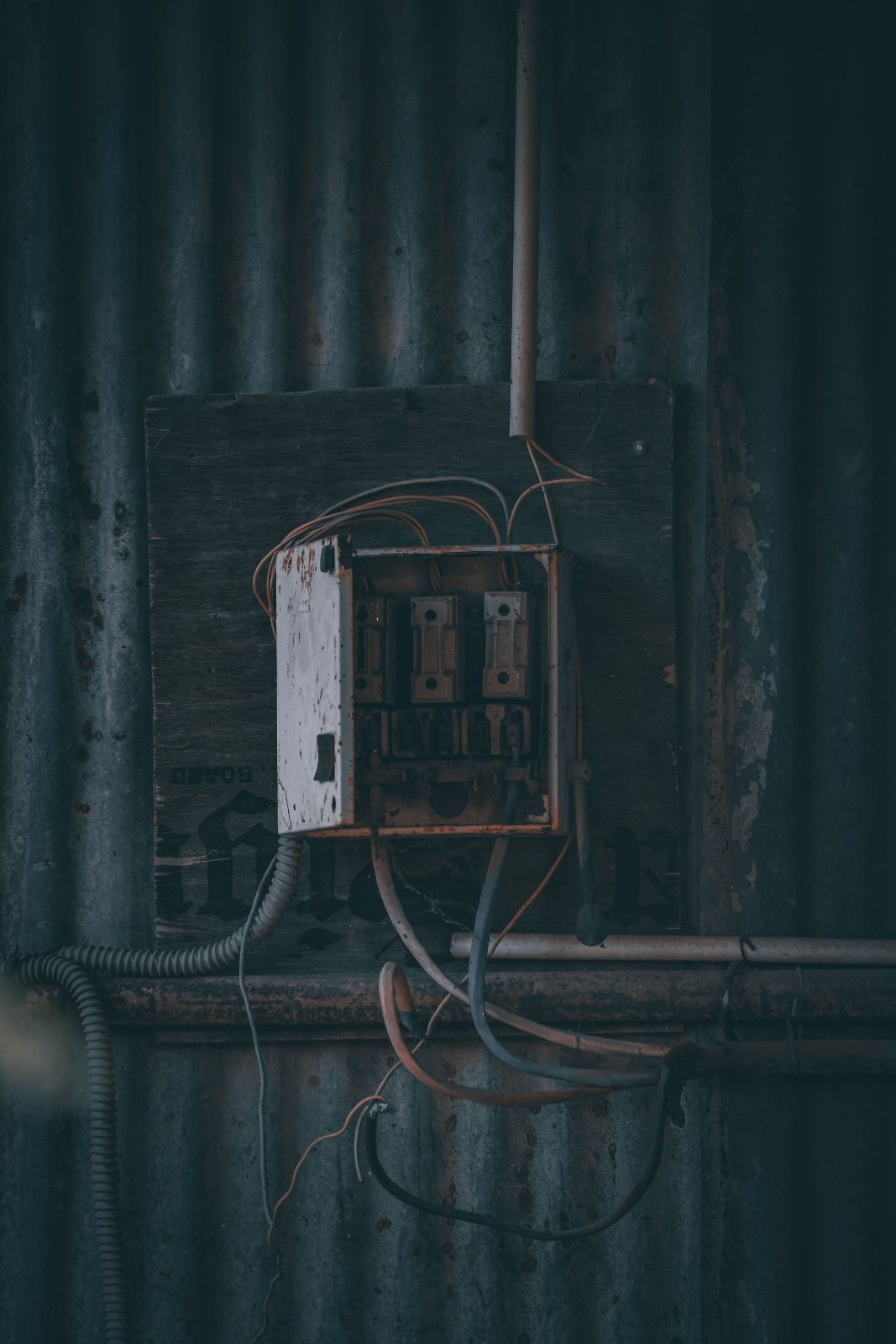
Your home’s electrical service has two hot legs and a neutral. The neutral is the reference that keeps each 120-volt circuit at 120 volts. When that neutral connection becomes loose or fails, at the panel, at the meter, at the weatherhead or out on the utility line, the two halves of the system stop being balanced against each other. Voltage on one side rises while the other falls, and it shifts around as loads switch on and off.
What you see: lights across the house flickering or changing brightness together, one part of the house noticeably brighter than another, lights that surge when a large appliance starts, flickering that gets worse in wind, and sometimes electronics failing for no apparent reason.
Why it matters: voltage above normal on one leg can damage anything plugged into it, which is why people with this fault often lose several appliances before anyone diagnoses it. And the loose connection generating the problem is itself arcing and heating, inside a panel or a service enclosure, which is a fire risk.
This is not a wait-and-see fault. If several rooms flicker together, have it looked at.
Can a Bad Breaker Cause Flickering?
Yes, though it is further down the list than people expect. A breaker with a weakened internal mechanism or a poor connection to the panel bus can produce intermittent flickering on the circuits it feeds, and a breaker that is loose on the bus arcs where it sits, which generates heat.
Signs pointing that way: flickering limited to the circuits one breaker serves, a breaker that is warm compared with its neighbors, a breaker that has tripped many times over the years, or a panel that buzzes. If the panel is buzzing or warm, treat that as the headline rather than the flickering.
What South Florida Does to This
- Air conditioning dominates. It is the largest motor load in most homes, it cycles constantly for most of the year, and it is the usual trigger that reveals an underlying service or connection weakness.
- Salt air corrodes the service entrance. Terminations at the meter, the weatherhead and the main lugs corrode faster near the coast, and a corroded connection is a loose connection waiting to happen.
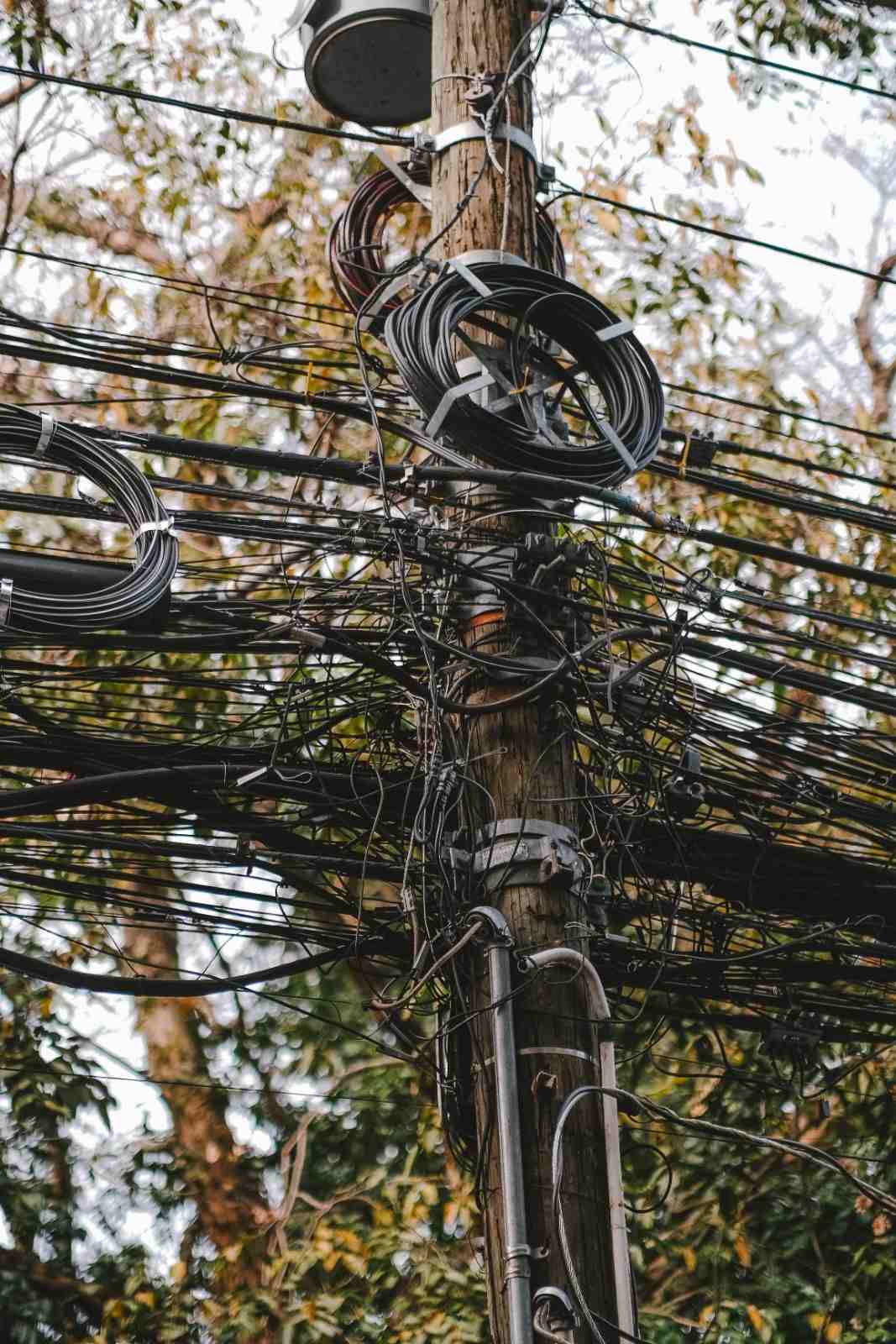
- Storms damage service drops. Wind pulls at the service conductors and the weatherhead, and flickering that starts after a storm, or that gets worse when it is windy, points straight at that connection.
- Older homes carry modern loads. A house wired decades ago, now running central air, a pool pump, a dryer and an electric vehicle, is working its service and panel far harder than they were designed for.
- Humidity and pests get into outdoor boxes, disconnects and service equipment, which is a routine cause of intermittent faults here and almost never mentioned outside Florida.
What You Can Check Yourself
- Note the scope. One bulb, one room, or the whole house? Write it down, because it is the first thing we will ask.
- Note the timing. Constantly, when something specific starts, in windy weather, or at random?
- Swap the bulb for one you know works.
- If it is on a dimmer, try the same bulbs on a non-dimmed fixture. If the flicker goes away, you have a dimmer compatibility problem rather than a wiring one.
- Ask the neighbors or check the FPL outage map if the whole house is affected.
- Stop there. Do not open the panel, and do not start removing devices to look for loose connections with the power on.
What It Costs to Diagnose and Fix
Job | Typical range* |
|---|---|
Diagnostic visit for flickering or intermittent faults | $125 to $250 |
Replace a worn switch or dimmer | $125 to $300 |
Fit an LED-compatible dimmer | $150 to $300 |
Repair a loose connection in a fixture or circuit | $175 to $400 |
Repair or re-terminate connections at the panel | Quoted after inspection |
Neutral fault at the service entrance or meter | Quoted. May involve FPL |
Service or panel upgrade where capacity is the cause | See our panel pages |
*Planning estimates. Intermittent faults are the hardest kind to price in advance, because the work is in the finding rather than the fixing. We tell you the diagnostic charge before coming out.
If the flickering is not happening while we are there, tell us what you noticed and when. A fault that appears only when the AC starts, or only in wind, can usually be reproduced or tested for once we know the pattern.
Why West Palm Beach Calls Nassif Electric
- Fifty years in South Florida, since 1976.
- Florida statewide licensed unlimited electrical contractor, License EC13001410.
- Licensed, insured and bonded.
- We diagnose intermittent faults rather than replacing parts until something changes.
- We will tell you on the phone when it sounds like a bulb or a dimmer, which costs you nothing.
- Service entrance, meter and panel work when the fault is on that side.
- Same day and after-hours response when the symptoms warrant it.

Areas We Serve
We diagnose flickering lights and intermittent electrical faults throughout West Palm Beach, including downtown, Northwood, El Cid, Flamingo Park, SoSo and the neighborhoods along Okeechobee Boulevard, and across South Florida from Juno Beach to Fort Lauderdale: Palm Beach, Palm Beach Gardens, North Palm Beach, Jupiter, Riviera Beach, Lake Worth Beach, Greenacres, Wellington, Royal Palm Beach, Boynton Beach, Delray Beach and Boca Raton.
Call 561-582-2600 if the flickering is more than one bulb.
Frequently Asked Questions
-
Should I worry about flickering lights in my house?
It depends entirely on scope. One bulb or one fixture is almost always the bulb, the socket or the fixture, and it is not a safety concern. Lights across several rooms or the whole house, especially during heavy use or in windy weather, can indicate a loose or failing neutral connection at the panel, meter or service line, which is both a fire risk and a risk to your appliances. If more than one room flickers together, call.
-
Why are my lights flickering when nothing has changed?
Connections relax on their own over years of heating and cooling, which is the most common answer to this. Other causes that need no change on your part: a bulb or dimmer reaching the end of its life, a worn switch, corrosion at a connection, or a developing fault at the service. Flickering that appears with no obvious trigger is worth investigating precisely because something did change, inside a connection you cannot see.
-
Why do my lights flicker when the air conditioning turns on?
A brief dip as the compressor starts is normal. Motors draw several times their running current at startup, and that momentary demand causes a small voltage drop. What is not normal is a pronounced dim, one that lasts more than an instant, lights that stay dim while the unit runs, or flickering that has worsened over time. Those point at an undersized service, a failing compressor or capacitor drawing excessive startup current, or a loose connection. In this climate the AC version of this question is often the first sign of a service or panel problem.
-
Why do only my LED lights flicker?
Almost always a dimmer mismatch. Older dimmers were designed for incandescent bulbs and do not control LED drivers correctly, which produces flicker and buzz. There is also a minimum load issue: dimmers need a minimum wattage to behave, and several LED bulbs may total less than that, which is why a room often works fine until the last incandescent bulb is replaced. An LED-compatible dimmer matched to the bulbs solves nearly all of it.
-
My whole house flickers at once. What is that?
Most commonly a loose or failing neutral connection, at the panel, the meter, the weatherhead or on the utility line. Your service has two hot legs balanced against a neutral, and when that neutral connection degrades the two halves stop being balanced. Voltage rises on one side and falls on the other as loads switch. It can damage appliances and the loose connection causing it is arcing and heating. Have it looked at rather than watching it.
-
Can a bad breaker cause lights to flicker?
Yes. A breaker with a worn internal mechanism or a poor connection to the panel bus can cause intermittent flickering on the circuits it feeds, and a breaker sitting loose on the bus arcs where it sits. Look for flickering confined to one breaker's circuits, a breaker warmer than its neighbors, or a panel that buzzes. A buzzing or warm panel is the more urgent symptom of the two.
-
My neighbors lights are flickering too. Who do I call?
FPL, not an electrician. If the problem affects more than one property it is on the utility side of the meter, and nothing an electrician does inside your house will change it. Check the outage map first. The one exception worth knowing is that a utility-side neutral problem can affect a small group of homes, so if it persists it is worth reporting rather than waiting for it to resolve.
-
The flickering stopped. Do I still need it looked at?
If it was one bulb or one fixture, no. If several rooms were flickering together, yes. Intermittent faults do not fix themselves, they go quiet. A loose connection that has stopped producing visible symptoms is still loose, still heating when loaded, and still getting worse.
-
Can flickering lights start a fire?
Flickering itself does not, but the most serious causes of it can. Loose and arcing connections generate heat in enclosed spaces next to insulation and framing, and that is the mechanism behind a meaningful share of electrical fires. The flickering is the symptom worth paying attention to, not the hazard itself.
-
Why do my lights flicker when it is windy?
That is a useful clue and it usually points outside the house. Wind moves the service conductors and the weatherhead, so a connection that is loose or corroded there makes and breaks contact as things shift. It can also be a utility-side connection. Either way, flickering that correlates with weather is worth reporting rather than ignoring, and in a coastal area corrosion at the service entrance is a common cause.
-
Can flickering damage my electronics?
The flickering does not, but the voltage instability behind whole-house flickering can. A neutral fault allows voltage on one leg to rise above normal, and sustained overvoltage damages electronics and appliances. People with this fault often lose several devices before anybody connects the two. That is another reason not to live with whole-house flickering.
-
How do you find an intermittent fault that is not happening when you arrive?
By pattern and by testing rather than by luck. Tell us the scope and the trigger: whole house or one room, when the AC starts, in windy weather, at a particular time of day. Most intermittent faults can be reproduced under load or found by testing connections at the likely points. The scope and the trigger are genuinely the most useful things you can give us.
-
Is it worth calling if it is only one light?
Try the simple things first: tighten or replace the bulb, and if it is dimmed, test the same bulb on a non-dimmed fixture. If the bulb and the dimmer are ruled out and it still flickers, then yes, because what is left is the switch, the fixture or a connection, and a loose connection in a fixture is the kind of small problem that is cheap now and expensive later.
More Than One Room Flickering?
Then it is worth a call. One bulb is a bulb. Several rooms at once is the electrical system telling you something about a connection, and that is the version worth having looked at before it becomes the other kind of problem.
Call 561-582-2600 for electrical troubleshooting in West Palm Beach.