
Lighting Controls & Dimmer Installation in West Palm Beach, FL
Most people meet this subject the hard way. They put in new LED lights, reuse the dimmer that was already on the wall, and end up with lights that flicker at the bottom of the range, buzz faintly all evening, or refuse to turn off completely. The lights are usually fine. The dimmer is from 1998 and was built for a load that no longer exists. Nassif Electric has wired South Florida homes and businesses since 1976. We install dimmers, wall controls, sensors and whole-home lighting control systems, and we match them to the fixtures so they behave. We are a Florida statewide licensed unlimited electrical contractor, License EC13001410, licensed, insured and bonded. Call 561-582-2600 for dimmer and lighting control installation.

What We Install
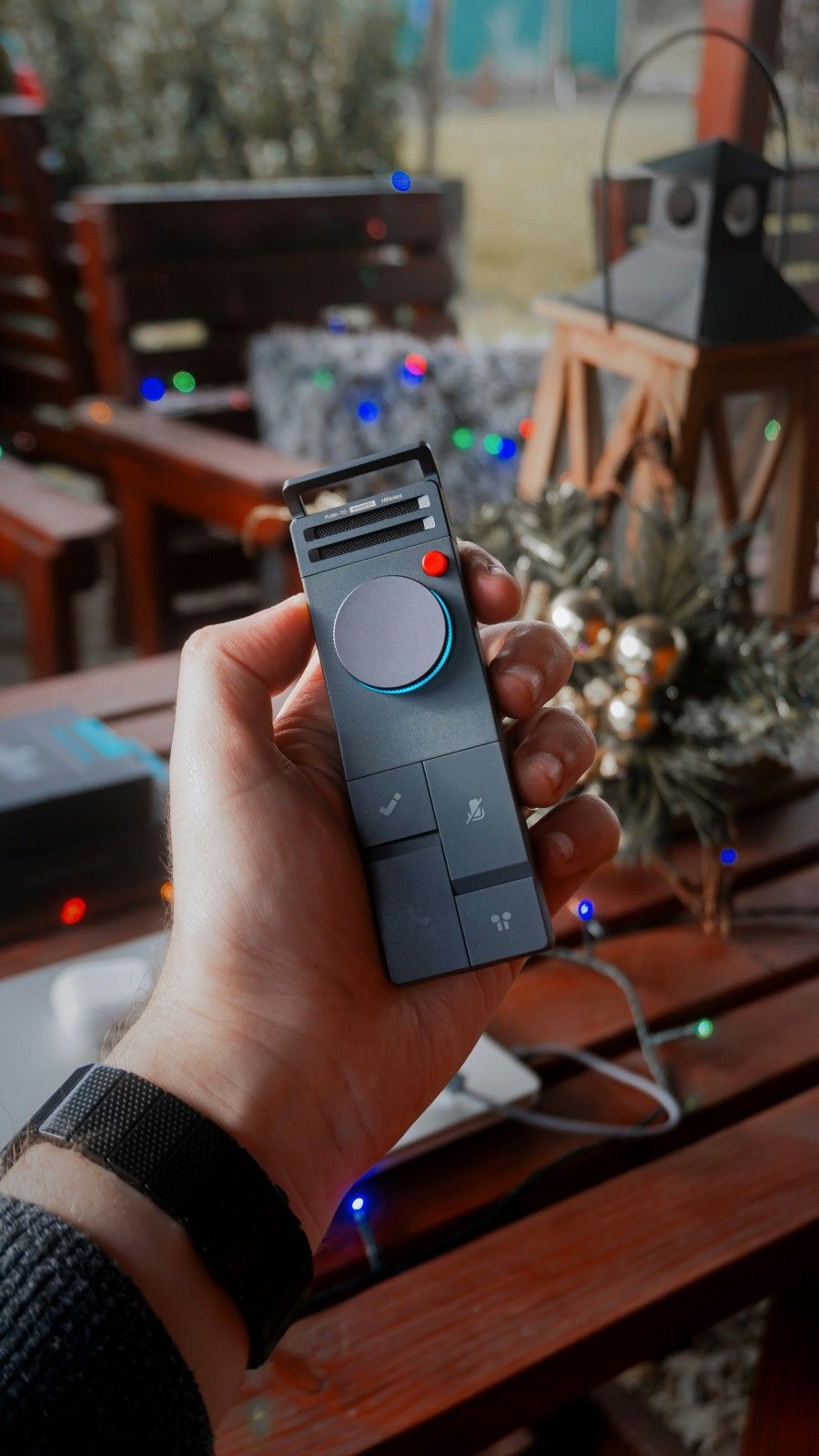
Dimmers
Standard and LED-compatible dimmers, slide and toggle styles, single-pole and three-way, in single boxes and multi-gang panels. The work is less about mounting the device than about choosing one that suits the load, which is the part covered further down.
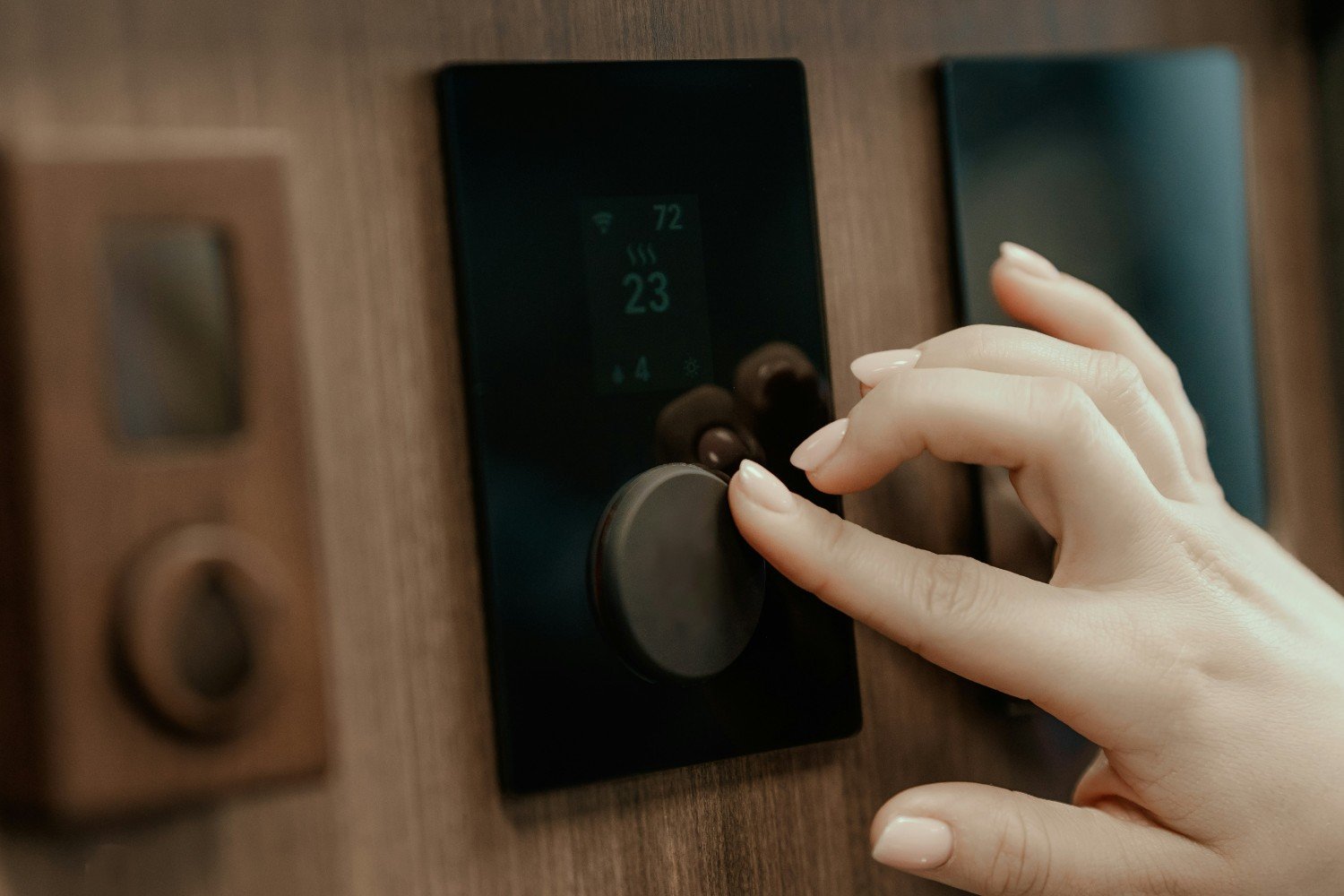
Smart dimmers and switches
App and voice control, schedules, and dimmers that still work as ordinary wall switches when the Wi-Fi is down, which matters more than people expect. Most smart dimmers need a neutral wire in the switch box, and plenty of older homes here do not have one. We check before you buy rather than after.
Multi-location and three-way dimming
Hallways, stairs, great rooms and any space with two or three switches controlling one set of lights. Standard three-way wiring takes one dimmer and a companion device, not two dimmers, which is the most common reason a DIY three-way dimmer install does not work.
Occupancy and vacancy sensors
Closets, pantries, laundry rooms, garages, bathrooms and hallways. An occupancy sensor turns the light on when you walk in and off when the room empties. A vacancy sensor makes you turn it on and handles only the off, which is better in rooms where you do not want the light coming on every time somebody walks past the door.
Timers, photocells and astronomical controls
For exterior lighting, landscape systems and security lighting. An astronomical timer follows actual sunset through the year, so the lights do not drift out of step every few weeks the way a basic clock timer does.
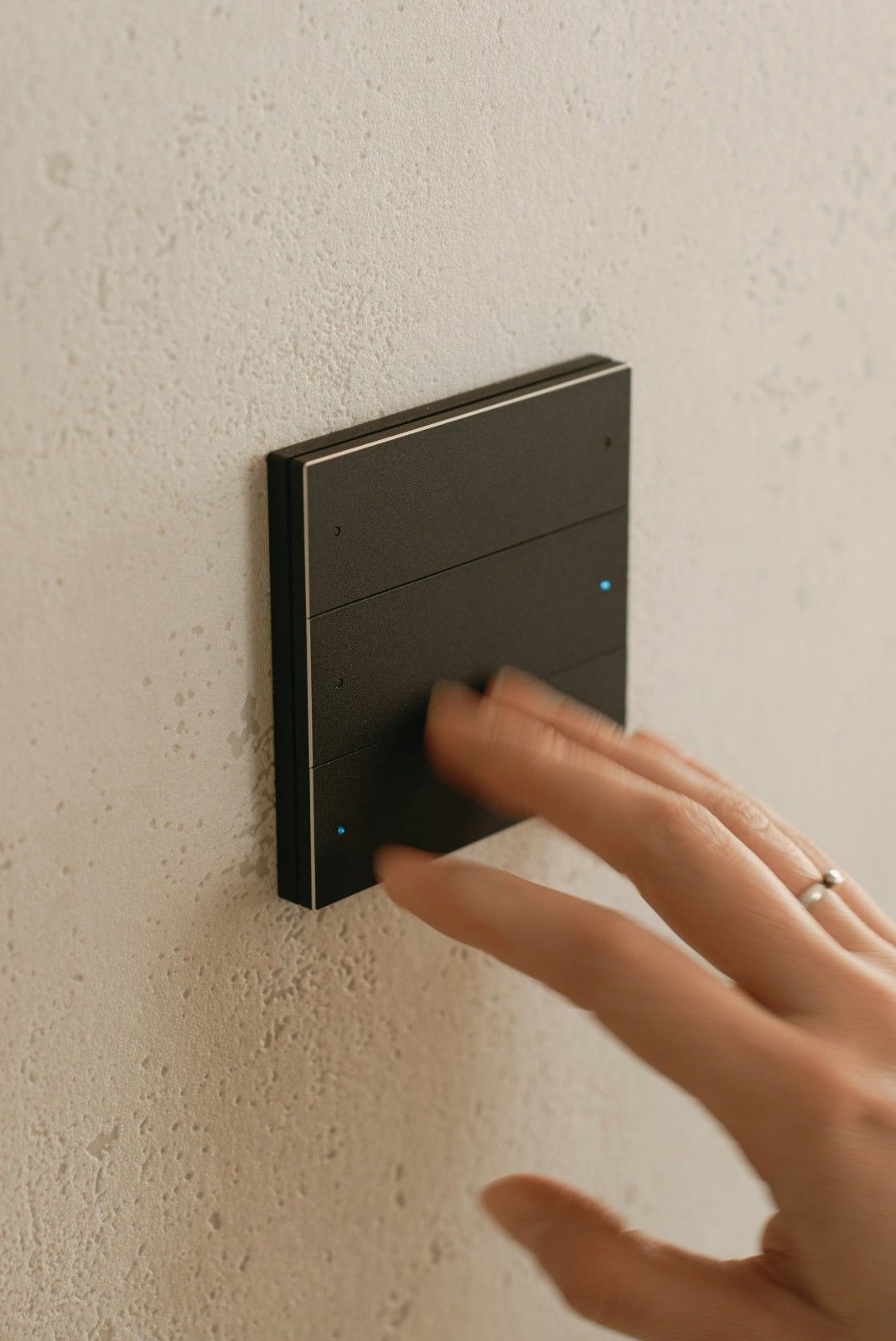
Scenes and whole-home lighting control
Keypads that set a whole room or a whole floor at once, so a wall of six switches becomes a few buttons that mean something. These are worth it in large homes, open plans and anywhere there are more switches than a guest can interpret.
Fan and light controls
Separate control of a ceiling fan and its light from one wall location, which is a common request in rooms wired for a single switch. See our ceiling fan page for the installation side.
Commercial controls
Occupancy sensors, scheduling, daylight harvesting and networked systems for offices, warehouses and common areas. Those are covered on our LED retrofits page, where the energy arithmetic lives.
Why Your LED Lights Flicker on a Dimmer
This is the question we get most often on this subject, and the answer is almost always the same.
Old dimmers were built for incandescent bulbs, which drew a lot of power and behaved predictably as the voltage dropped. A 60-watt bulb was a 60-watt load. The dimmer chopped the waveform and the filament simply glowed less. LEDs draw a fraction of that power and have an electronic driver between the dimmer and the light, and that driver does not respond the same way.
Three specific things go wrong:
The wrong dimming method. Older dimmers are leading-edge, designed for incandescent and magnetic loads. Many LED drivers want a trailing-edge dimmer, sometimes labeled ELV. Pairing the wrong one with the wrong driver produces flicker, buzz and a very short usable range at the bottom of the dial.
Not enough load. Dimmers have a minimum load as well as a maximum. Six LED fixtures might total 40 watts where the old incandescent cans totaled 360. Below the dimmer’s minimum, it behaves erratically, which is why a room often works fine until you replace the last incandescent bulb in it.
Mismatched drivers. A circuit with LEDs from three different manufacturers will have three different drivers responding to the same signal at different rates, so they dim unevenly or one flickers while the others are steady.
The fix is matching the dimmer to the actual fixtures, which is why fixture manufacturers publish compatibility lists. We pick from those lists rather than guessing, and when a combination cannot be made to behave we say so before you buy twenty fixtures.

The Neutral Wire Problem in Older Homes
Most smart dimmers need a neutral wire in the switch box to power their own electronics continuously. Houses wired before that became common often have only a switch leg, meaning the box contains a hot and a return and no neutral at all. Some older boxes also have no ground.
When there is no neutral, the options are a no-neutral smart dimmer, which works with some fixtures and not others and often needs a bypass at the light, running a neutral to the box, which is straightforward if there is attic access above and a different job if there is not, or using a smart bulb or a smart relay at the fixture instead of at the switch.
This is worth checking before buying a house full of smart dimmers, and it takes us a few minutes to look. In West Palm Beach a lot of the housing stock is old enough that this comes up regularly.
Multi-Gang Boxes and Derating
Something most homeowners discover halfway through a kitchen project. Dimmers produce heat, and the metal fins on the sides are how they shed it. When several dimmers sit side by side in one box, those fins have to be broken off so the plates fit, and removing them reduces the wattage the dimmer can safely handle, sometimes by half or more.
With old incandescent loads this mattered a great deal, and a four-gang box of dimmers could be genuinely overloaded. With LED loads there is usually plenty of headroom. It still has to be checked rather than assumed, particularly where someone has a mix of LED and older fixtures on the same bank of switches.
Dimmer & Lighting Control Costs in West Palm Beach
Job | Typical range* |
|---|---|
Replace a switch with a standard dimmer | $125 to $250 |
Smart dimmer, existing neutral in the box | $150 to $300 |
Three-way dimmer with companion device | $200 to $400 |
Occupancy or vacancy sensor switch | $150 to $300 |
Run a neutral to a switch box (attic access) | $250 to $600 |
Multiple dimmers in one visit | Lower per device, quoted together |
Scene keypads and whole-home control systems | Quoted per project |
Diagnose flicker, buzz or a control that stopped working | Service call rate |
*Planning estimates, excluding the devices themselves. One dimmer on its own is a service call, so the per-device price drops considerably when controls are done as part of a lighting project or several at once.
What changes the price: whether the box has a neutral and a ground, whether the switch is single-pole or part of a three-way or four-way arrangement, how many devices are in the box, the fixtures being controlled and whether they have a published compatible dimmer, and whether you want scenes programmed and an app configured rather than hardware installed and left.
Can You Install a Dimmer Yourself?
Plenty of people do, and swapping a single-pole dimmer onto a modern box with a neutral and a ground, breaker off, is within reach for a careful homeowner. There is a reason the top of the search results for this is a stack of videos.
What the videos do not cover is the part that goes wrong. They show the wires connecting. They do not tell you that your LEDs need a trailing-edge dimmer, that six LED cans fall below the dimmer’s minimum load, that your three-way needs a companion rather than a second dimmer, that your box has no neutral so the smart dimmer you bought will not work, or that breaking the fins off four ganged dimmers changed what they can carry. Those are the calls we get, usually from someone on their second or third dimmer.
The clear lines where this becomes electrician work: no neutral or no ground in the box, aluminum or brittle wiring, adding a switch location, a new circuit, anything in a commercial building, and a whole-home control system.
Why West Palm Beach Homeowners Call Nassif Electric
- Florida statewide licensed unlimited electrical contractor, License EC13001410.
- Licensed, insured and bonded.
- We select dimmers from the fixture manufacturer’s compatibility list rather than by guess.
- We check the switch box for a neutral and a ground before you buy smart devices, not after.
- We fix flicker and buzz on systems somebody else installed.
- Better pricing when controls are done as part of a lighting project or several at once.
- 24/7 emergency response for electrical problems.

Areas We Serve
We install lighting controls throughout West Palm Beach, including downtown, Northwood, El Cid, Flamingo Park, SoSo and the neighborhoods along Okeechobee Boulevard, and across South Florida from Juno Beach to Fort Lauderdale: Palm Beach, Palm Beach Gardens, North Palm Beach, Jupiter, Riviera
Frequently Asked Questions
-
How much does it cost to install a dimmer switch?
Replacing a standard switch with a dimmer generally runs $125 to $250 as a service call, and a smart dimmer in a box that already has a neutral runs $150 to $300. Three-way arrangements and boxes needing a neutral run higher. The per-device price drops substantially when several are done in one visit or as part of a lighting project.
-
Is it hard to install a dimmer?
The physical swap is not hard, and a careful homeowner with the breaker off can do a single-pole dimmer on a modern box. The parts that go wrong are selection rather than installation: dimming method, minimum load, three-way companions, and whether the box has a neutral. Most of the calls we get on this are from someone who installed it correctly and still has a flickering light.
-
Why do my LED lights flicker on the dimmer?
Usually one of three things. The dimmer is leading-edge and your LED drivers want trailing-edge. The total LED wattage is below the dimmer's minimum load, which happens easily when six LED fixtures replace six incandescent ones. Or you have mixed LED brands on one circuit with drivers that respond differently. Matching the dimmer to the fixture, using the manufacturer's compatibility list, solves nearly all of it.
-
Why does my dimmer buzz or hum?
Either the dimmer and the load are mismatched in the same way that causes flicker, or the fixture itself is buzzing because its driver is being fed a waveform it was not designed for. An LED-compatible dimmer matched to the fixture fixes most cases. A dimmer that gets hot as well as buzzing should be looked at promptly.
-
Which wires go where on a dimmer switch? What are L1 and L2?
On a single-pole dimmer, the incoming hot and the wire feeding the light connect to the dimmer's two load wires, the ground goes to ground, and the neutral is capped unless the device needs it. L1 and L2 are travelers on a two-way or three-way device, which carry between two switch locations. The exact arrangement depends on which box the power enters, which is why identifying the wires matters more than following a generic diagram.
-
Can I put dimmers on both of my three-way switches?
Generally no. A standard three-way setup takes one dimmer plus a matching companion device at the other location. Two ordinary dimmers on the same three-way will not work properly. Some systems do offer true multi-location dimming with matched devices, which is a different product and has to be bought as a set.
-
Do smart dimmers need a neutral wire?
Most do, because they power their own electronics continuously. Many older West Palm Beach homes have switch boxes with no neutral, and some have no ground either. There are no-neutral smart dimmers that work with some fixtures, sometimes needing a bypass at the light, and running a neutral to the box is often straightforward with attic access. Worth checking before buying a houseful of devices.
-
Will my smart dimmer still work if the internet goes down?
The good ones do. A quality smart dimmer operates as an ordinary wall switch and dimmer with no network at all, and loses only the app, voice and schedule functions. Devices that become unusable without a connection exist, and we avoid them. This matters here, where storm season takes service out for days at a time.
-
What is the difference between an occupancy sensor and a vacancy sensor?
An occupancy sensor turns the light on when you enter and off when the room empties. A vacancy sensor only handles the off, so you switch it on yourself. Occupancy sensors suit closets, pantries and laundry rooms. Vacancy sensors suit rooms where you do not want the light coming on every time somebody passes the doorway, and rooms where you sometimes want the light off while you are in them.
-
Can you put a dimmer on my ceiling fan?
Not an ordinary light dimmer, which will hum and can damage the motor. Fan speed needs a fan-rated control, and a fan with a light usually wants a combination control or a remote so the fan and light are handled separately. We fit the right control, which solves most of the humming complaints we see on fans.
-
Can you add dimmers to my recessed lighting?
Yes, and we usually recommend it. A room laid out for full brightness is too bright most evenings, and a single compatible dimmer makes the same layout work for cooking and for a film. If the fixtures are already installed we check what they are and choose a dimmer their manufacturer lists as compatible.
-
Do you install Lutron, Leviton and other brands?
Yes. We install dimmers, switches, sensors and control systems from the major manufacturers, including devices you bought yourself. If a device you have chosen is not compatible with your fixtures, or needs a neutral your box does not have, we will tell you before it goes in.
-
Do I need a permit for lighting controls?
Replacing a switch with a dimmer in the same box generally does not require one. Adding a switch location, running new wiring or a new circuit, and most commercial control work generally do. We handle permits when they are required.
Book Lighting Control Installation
Whether it is one dimmer that never worked right, a kitchen full of new controls, or a house where every room should do something sensible when you walk in, we will look at what is in the boxes and what is in the ceiling and give you a straight answer about what will work.
Call 561-582-2600 or email [email protected] to schedule lighting control installation.