
Commercial Electrical Preventive Maintenance in West Palm Beach, FL
Electrical equipment rarely fails without warning. It fails after months of warning that nobody was looking for. A connection loosens, heats, oxidizes and heats more, and the first anyone knows about it is the morning the building is dark and the replacement part has a twelve-week lead time. Nassif Electric has maintained commercial and industrial electrical systems in South Florida since 1976. We build maintenance programs around what a facility actually has and what it can afford to lose. We are a Florida statewide licensed unlimited electrical contractor, License EC13001410, licensed, insured and bonded. Call 561-582-2600 to discuss a maintenance program for your facility.
What Preventive Maintenance Actually Costs You, and What It Saves
The argument for this is not complicated, and it is worth putting in plain terms before the list of services.
An emergency costs more than a visit. Not slightly more. A failure happens at the worst time, requires overtime labor, and forces you to accept whatever parts can be sourced that week at whatever price. A scheduled visit happens in a planned window at a normal rate.
The real cost is the downtime, not the repair. A restaurant that cannot open, a warehouse that cannot ship, a medical office that cancels a day of appointments, a retail unit dark on a Saturday. For most businesses, one day of that costs more than a year of maintenance.
Equipment lasts longer when it is maintained. Connections torqued, contacts clean, enclosures sealed, ventilation clear. Deferring that does not save money, it moves the money to a capital replacement sooner than it needed to happen.
And documentation has its own value. Insurers, corporate safety programs and prospective buyers all ask whether electrical maintenance is being done and recorded. A facility with a maintenance file answers that question in a minute. A facility without one spends weeks reconstructing it.
A good share of this work comes through general contractors, and that relationship runs on a short list of things.
Documentation before it is requested. License, certificates of insurance, W-9 and lien releases go out without three reminders.
Bids that can be compared. We quote against the drawings and the specification, break the number out by scope, and list our inclusions and exclusions plainly, so the project manager can set our bid next to two others and see what is actually different.
Schedule discipline. We staff to hit the rough-in date, because on a build-out everything after us is waiting on us. When something is going to slip, you hear it while there is still time to resequence rather than on the day.
Inspections passed the first time. A failed inspection is the most expensive thing an electrical sub can do to a project, and it is almost always avoidable.
Coordination with the other trades. Most of the conflicts on a build-out are mechanical, plumbing and electrical arguing over the same ceiling space. Sorting it in a coordination meeting costs an hour; sorting it in the field costs a week.
Somebody on site who can decide. Our foreman does not have to phone the office to answer a question about the work in front of him.
What a Program Includes
Infrared thermography
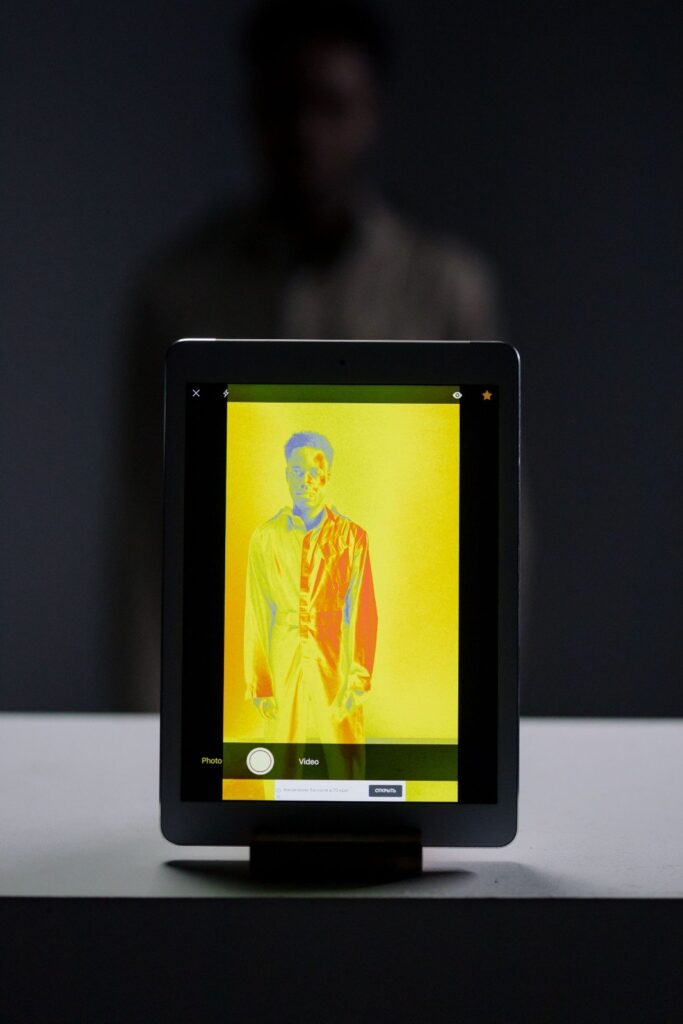
A thermal camera finds loose and deteriorating connections by their heat signature while the equipment is still running and under load. It is the single most useful thing we do on these visits, because it finds the failures that are coming without taking anything apart or shutting anything down. A hot connection photographed in March is a repair. The same connection in July is an outage.
Panel and switchgear inspection
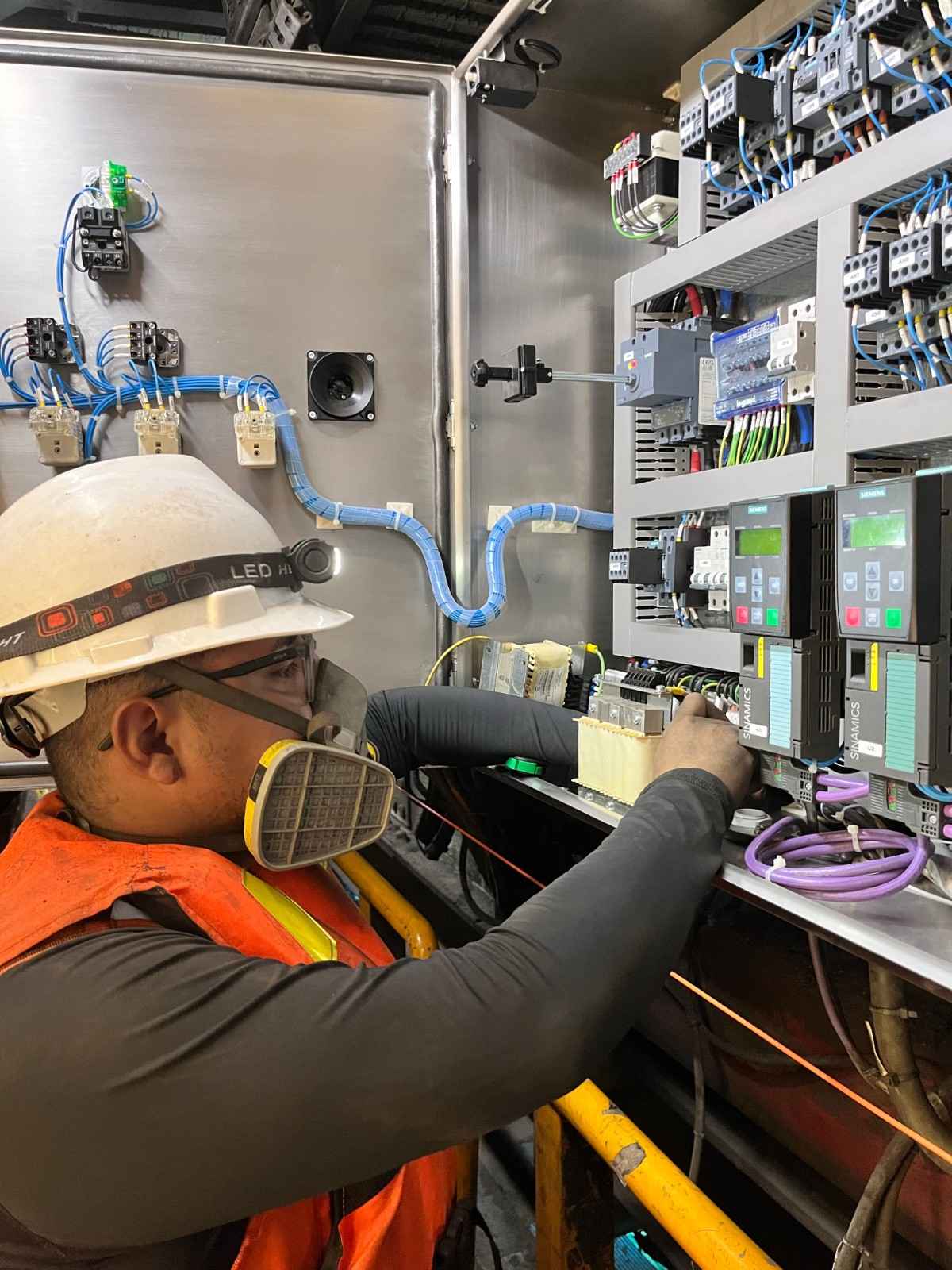
Visual inspection of panels, switchgear and distribution equipment, checking for corrosion, moisture, pest intrusion, overheating, missing covers and blocked ventilation. In South Florida the corrosion and moisture findings are the ones that matter most.
Torque verification and connection maintenance
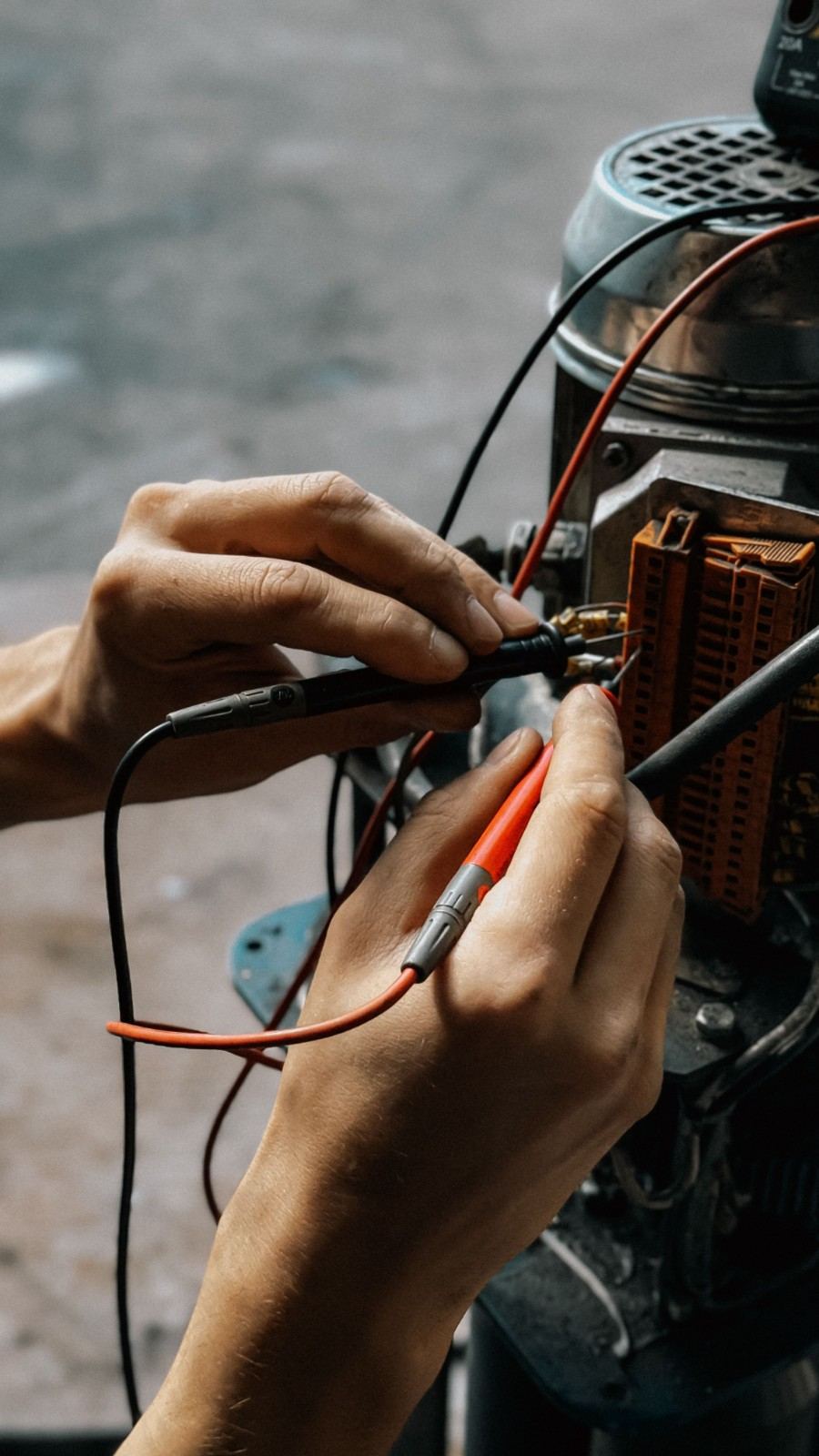
Terminations and bus connections checked and brought back to specification. A surprising proportion of electrical failures begin as a connection that worked loose over years of thermal cycling.
Breaker exercise and testing
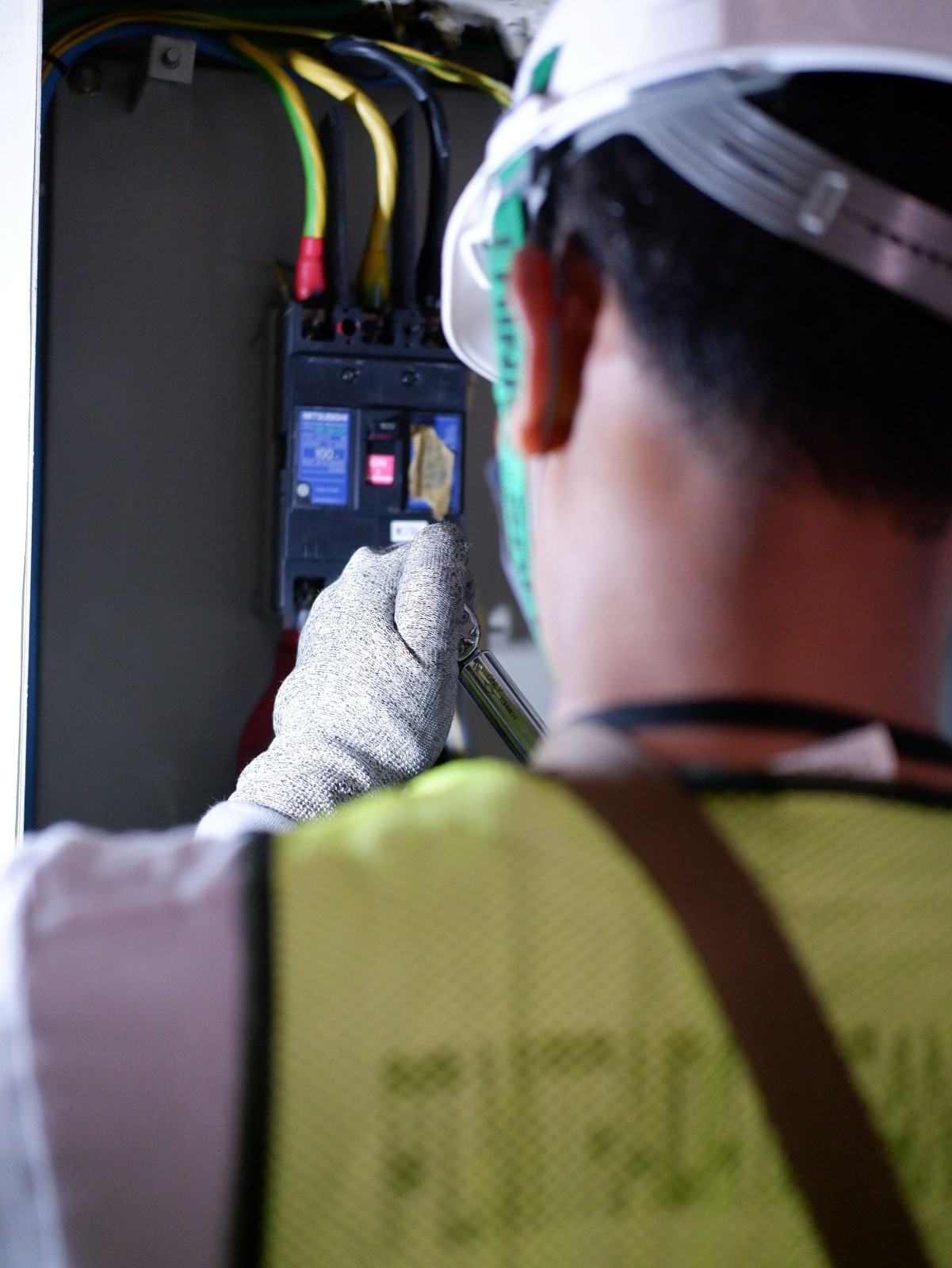
Breakers that have not moved in a decade may not move when they have to. Exercising and inspecting them, and testing where appropriate, confirms that the protection you are relying on will actually operate.
Load measurement
Measuring what circuits and panels are actually carrying, rather than what the labels say. This catches overloaded circuits before they trip and tells you honestly what spare capacity you have, which matters the next time you add equipment.
Emergency and exit lighting
Testing emergency egress lighting, exit signs and battery units, which carry inspection requirements in commercial buildings and which fail quietly. A dead exit sign is only discovered in an emergency or an inspection, and both are bad times to find out.
Lighting maintenance
Group relamping where it makes sense, failed fixture replacement, and exterior and parking lot lighting, which is the lighting your tenants and insurers notice.
Generator and backup power checks
Exercise, inspection and transfer switch testing, coordinated with your generator servicing. There is no point having standby power that has not been proven to start.
Documentation
A written report after every visit: what was inspected, what was found, what was corrected on the spot, what needs scheduling, and thermal images where relevant. Readings recorded so this year can be compared with last year, because a connection that is twenty degrees warmer than it was in March is telling you something that a single reading never could.
How Programs Are Structured
There is no single correct interval. What a facility needs depends on how old the equipment is, how hard it works, how much a failure costs, and how exposed it is to salt air and moisture. Typically it looks like one of three shapes.
An annual program suits small commercial properties, offices and retail units with modern equipment and ordinary loads. One visit a year, infrared scan, panel inspection, emergency lighting check and a report.
A semi-annual or quarterly program suits restaurants, medical facilities, warehouses and anything where a day of downtime is expensive, where equipment is older, or where salt air and humidity are working on the enclosures. More frequent scanning, more testing, and a closer eye on the items being tracked year to year.
A custom program suits industrial facilities, multi-building portfolios and anything with critical or unusual loads, built around a schedule that fits your operations and your fiscal year rather than ours.
In all three, contract clients get priority response when something does go wrong, because we already know the building, the panels are already labeled and we are not diagnosing from scratch at two in the morning.
For Property Managers and Multi-Building Portfolios
If you are responsible for several buildings, the arithmetic changes.
We assess the portfolio together and prioritize by risk rather than treating every property identically, so the thirty-year-old gear in the building with the refrigeration gets attention before the five-year-old panel in the office suite. Scheduling is coordinated so visits are efficient, documentation comes back in a consistent format across properties, and budgeting becomes a planned annual line rather than a series of emergencies landing in whichever month they choose.
It also means that when something does fail, the contractor arriving has been in that electrical room before.

What We Find Most Often in South Florida Buildings
A short list, because these are the things that turn into failures here specifically.
- Corrosion inside enclosures within a few miles of salt water, particularly in outdoor and rooftop equipment, and inside gear nobody has opened in years.
- Loose connections at breakers, lugs and bus, which thermal cycling in this climate accelerates.
- Panels with no accurate directory, so nobody knows what a breaker feeds until they turn it off and somebody complains.
- Blocked or failed ventilation in electrical rooms, and enclosure heaters that stopped working years ago.
- Circuits carrying far more than anyone realizes, usually because equipment was added over time without anyone measuring.
- Emergency and exit lighting with dead batteries.
- Water intrusion and staining in rooms at or below grade, which matters a great deal when the next storm surge arrives.
- Work done by somebody else that was never permitted, inspected or recorded.
Documented Maintenance and Why It Is Being Asked About
Electrical maintenance used to be a discretionary good practice. It is increasingly something facilities are asked to evidence.
The standard governing electrical equipment maintenance was reissued in 2023 in mandatory language rather than as recommended practice, and insurers, corporate safety programs and risk managers have taken note. What any individual facility is obliged to do depends on its insurer, its own safety program and the codes adopted locally, so that is a conversation for you and your insurer rather than a claim we will make for you. What is clear is the direction: being able to produce a record of inspection and testing is becoming part of normal facility management, and the facilities that struggle are the ones starting the file after the request arrives.
A maintenance program produces that record as a by-product of doing the work.
Why Facility Managers Here Use Nassif Electric
- Fifty years of commercial and industrial electrical work in South Florida, since 1976.
- Florida statewide licensed unlimited electrical contractor, License EC13001410.
- Licensed, insured and bonded, with documentation ready for property managers.
- Written reports after every visit, with readings recorded so trends are visible.
- Priority response for contract clients, from a contractor who already knows the building.
- One contractor across maintenance, lighting, generators, distribution and EV charging.
- 24/7 emergency response when something fails outside a planned window.

Areas We Serve
We maintain commercial electrical systems throughout West Palm Beach, including downtown, the Okeechobee Boulevard corridor and the industrial areas along Australian Avenue, and across South Florida from Juno Beach to Fort Lauderdale: Palm Beach, Palm Beach Gardens, North Palm Beach, Jupiter, Riviera Beach, Lake Worth Beach, Greenacres, Wellington, Royal Palm Beach, Boynton Beach, Delray Beach and Boca Raton.
Frequently Asked Questions
-
What is commercial electrical preventive maintenance?
Scheduled inspection, testing and servicing of a building's electrical systems to find and correct problems before they cause a failure. In practice that means infrared scanning of panels and gear under load, visual inspection, torque verification on connections, breaker exercise and testing, load measurement, emergency lighting checks, and a written report recording what was found and what was done.
-
How much does a commercial electrical maintenance program cost?
It depends on the size of the facility, how much equipment there is, the visit frequency and how much testing is included, so a quote follows a walkthrough. The useful comparison is not against zero, it is against what a single unplanned failure costs: emergency labor at overtime rates, whatever parts can be sourced that week, and the revenue lost while the business is not operating. For most commercial facilities one day of unplanned downtime exceeds a year of maintenance.
-
How often should a commercial building have electrical maintenance?
Annually is a reasonable baseline for a small commercial property with modern equipment and ordinary loads. Semi-annual or quarterly suits restaurants, medical facilities, warehouses, older equipment, anything where downtime is expensive, and buildings near salt water where corrosion works faster. We recommend an interval after looking at what you have rather than selling the same schedule to everyone.
-
What is infrared thermography and why does it matter?
A thermal camera reads the heat signature of electrical connections while equipment is running under load. Loose and deteriorating connections run hot long before they fail, and the camera sees it without taking anything apart or shutting anything down. It is the most useful single tool in preventive maintenance, because it finds the problem while it is still a repair rather than an outage.
-
Do we have to shut down for the work?
Most of it, including infrared scanning, is done with the equipment energized and running, so no. Some testing requires a de-energized panel, and where that is needed we schedule it for a window that suits your operations: nights, early mornings or weekends. Nothing gets shut down without being planned and agreed first.
-
What do we actually receive?
A written report after each visit covering what was inspected, what was found, what was corrected during the visit, what needs scheduling and at what priority, with thermal images where relevant. Readings are recorded so this year can be compared against last year, which is what turns a snapshot into something useful. The report is the part you keep.
-
Are we required to do electrical maintenance?
It depends on your facility, your insurer and the codes adopted locally, so it is a question for you and your insurance carrier rather than one we can answer for you. What has changed is that the standard covering electrical equipment maintenance was reissued in 2023 in mandatory language rather than as recommended practice, and insurers, corporate safety programs and risk managers increasingly ask facilities to evidence that maintenance is being done and recorded.
-
Our equipment is new. Do we need this yet?
New equipment benefits from less frequent attention, not none. Connections still work loose with thermal cycling, enclosures near salt air still corrode, and new installations occasionally have workmanship issues that an infrared scan in the first year will catch while it is still somebody's warranty problem. An annual program on a new facility is inexpensive and establishes the baseline readings that make later comparisons meaningful.
-
Can you maintain equipment another contractor installed?
Yes. Most of what we maintain was installed by somebody else, often long ago. The first visit takes a little longer because we are documenting what is actually there, which frequently includes correcting panel directories nobody has updated in years.
-
Do you work with property managers who have several buildings?
Yes, and it is usually the better way to do it. We assess the portfolio together, prioritize by risk rather than treating every building the same, coordinate scheduling so the visits are efficient, and return documentation in a consistent format across properties. It also turns an unpredictable repair budget into a planned annual line.
-
What happens if you find something serious?
You are told immediately rather than at the end of the month in a report. We will tell you what it is, what the risk is, what it will take to correct, and how urgent it genuinely is, separating the things that need attention this week from the things that can be budgeted for next quarter. Minor corrections are generally handled during the visit.
Set Up a Maintenance Program
We will walk the facility, look at what is installed and what condition it is in, and propose a schedule that fits the building rather than a standard package. If your equipment does not need quarterly attention, we will say so.
Call 561-582-2600 or email [email protected] to arrange a maintenance assessment.
