
Arc Flash Studies & Electrical Code Compliance in West Palm Beach, FL
Most facilities commission their first arc flash study because somebody asked for it. An insurer, a corporate safety program, a parent company audit, or a client who wants to see documentation before signing a contract. The request arrives without much explanation, and the facility manager is left working out what the thing is, who can do it and what it should cost. Nassif Electric has worked on commercial and industrial electrical systems in South Florida since 1976. We handle arc flash and power system studies, the field work behind them, equipment labeling, and the corrective work they identify. We are a Florida statewide licensed unlimited electrical contractor, License EC13001410, licensed, insured and bonded. Call 561-582-2600 to discuss an arc flash study or a compliance requirement.

What an Arc Flash Study Tells You
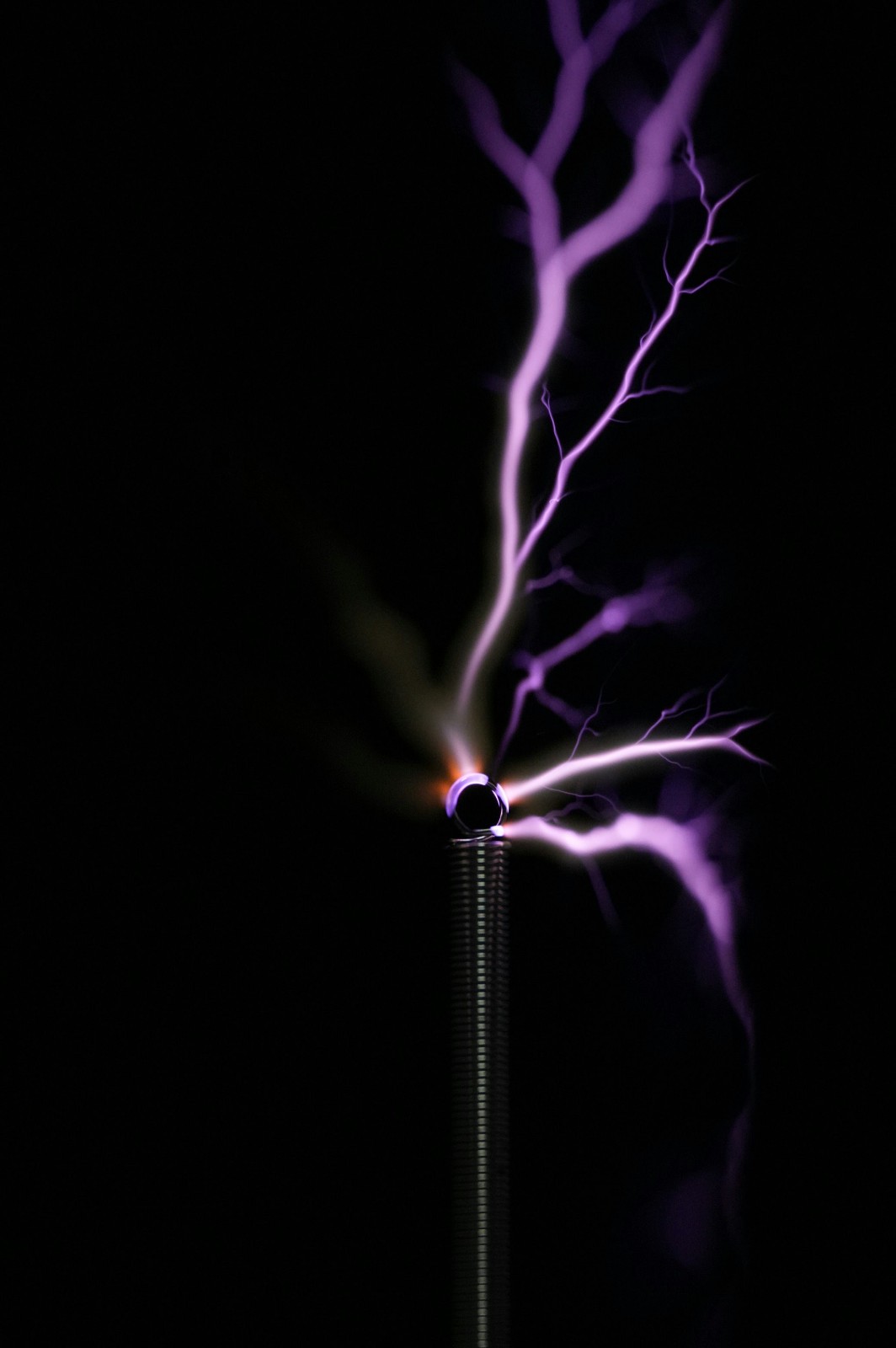
An arc flash is a fault that ionizes the air into a conducting plasma, releasing heat, light, pressure and molten metal in a few thousandths of a second. The temperatures involved are several times hotter than the surface of the sun, and the injuries are severe at distances most people would consider safe.
A study is an engineering analysis of your electrical system that answers a specific question at every piece of equipment: if a fault happened here, how much energy would be released, and what does somebody need to wear and how far back do they need to stand to survive it.
The outputs are practical:
- The incident energy available at each piece of equipment, expressed in calories per square centimeter.
- The arc flash boundary, meaning the distance within which the hazard exists.
- The personal protective equipment required to work on that specific piece of equipment.
- Labels fixed to the equipment carrying that information, so the person opening the panel knows before they open it.
- A model of your electrical system, which usually tells you several other things nobody had asked about.
That last point is worth dwelling on, because it is the part that surprises people.
What the Study Usually Finds Along the Way
Building a model of a facility’s electrical system answers questions that were never asked, and two of them matter a great deal.
Whether your equipment is rated for the fault current actually available. Equipment has an interrupting rating, and the available fault current at a given point depends on the utility supply and the system between it and that point. When a service has been upgraded or a transformer replaced, the available fault current rises, and equipment installed under the old conditions may now be underrated. That is a serious condition and a lot of buildings have never had it checked.
Whether your protective devices are coordinated. In a properly coordinated system a fault trips the breaker nearest to it and nothing else. In an uncoordinated one, the fault trips a main instead, and a problem in one circuit takes out a floor, a building or a production line. Most facilities discover this the hard way.
A study also produces an accurate one-line diagram, which is frequently the only current drawing of the electrical system a facility possesses.

How a Study Is Performed
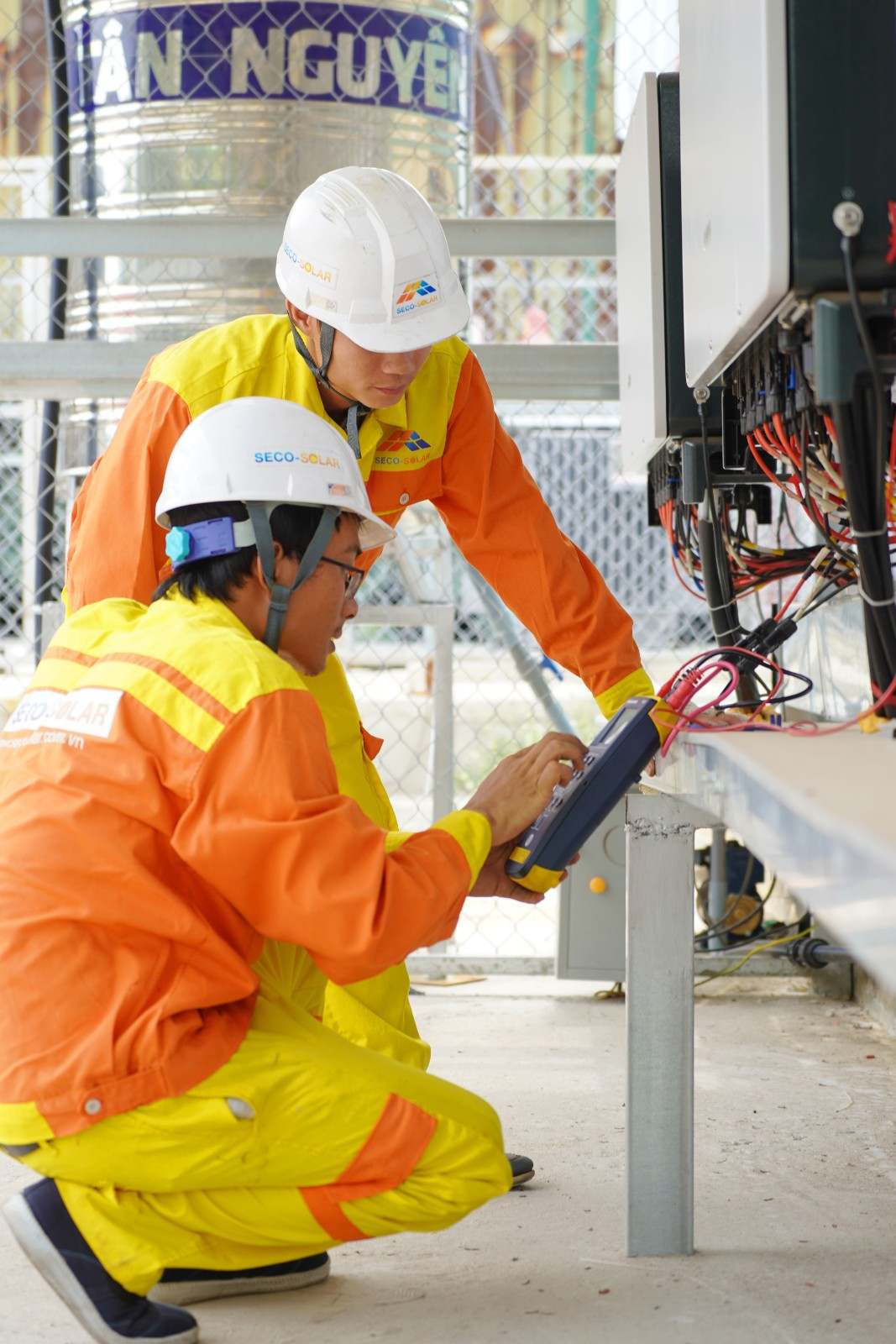
- Field data collection. Someone walks the facility and records what is actually installed: equipment, conductor sizes and lengths, transformer data, breaker and fuse types and settings, and how it is all connected. This is the step that determines whether the study is accurate, and it is the step most often rushed.
- System modeling. The system is built in power system analysis software, such as SKM, ETAP or EasyPower, from the collected data and the utility fault current contribution.
- Short circuit analysis. Calculating the fault current available at each point, which also shows whether equipment is adequately rated.
- Protective device coordination. Checking which devices operate and in what order, and identifying where coordination can be improved.
- Incident energy calculation. Determining the arc flash energy at each piece of equipment, which depends heavily on how fast the upstream protective device clears the fault.
- Labeling. Producing and installing labels on each piece of equipment with the incident energy, the boundary and the required protective equipment.
- Recommendations. Where incident energy is high, identifying what would reduce it, which is often a change of trip settings rather than new equipment.
Steps one and seven are where an electrical contractor adds something a consultancy cannot. We collect the field data with people who work on this equipment, and we carry out the corrective work ourselves rather than handing you a report with a list of problems and no way to resolve them.
Who Is Qualified to Perform One
A fair question and one worth asking any provider directly.
The engineering analysis is normally performed by or under the supervision of a licensed professional engineer, because it is engineering work and because a report that may be relied on in an incident investigation should carry that accountability. The field data collection, the labeling and the remediation are electrical contracting work.
When you are comparing providers, ask who performs the calculations and under whose license, who does the field data collection and how long they will spend on site, whether labels are produced and installed or only supplied, and whether the provider can carry out the corrective work the study recommends. Studies vary enormously in quality, and the variation is almost entirely in the field data: a model built from assumptions produces confident-looking numbers that are wrong.
When a Study Is Required, and How Often
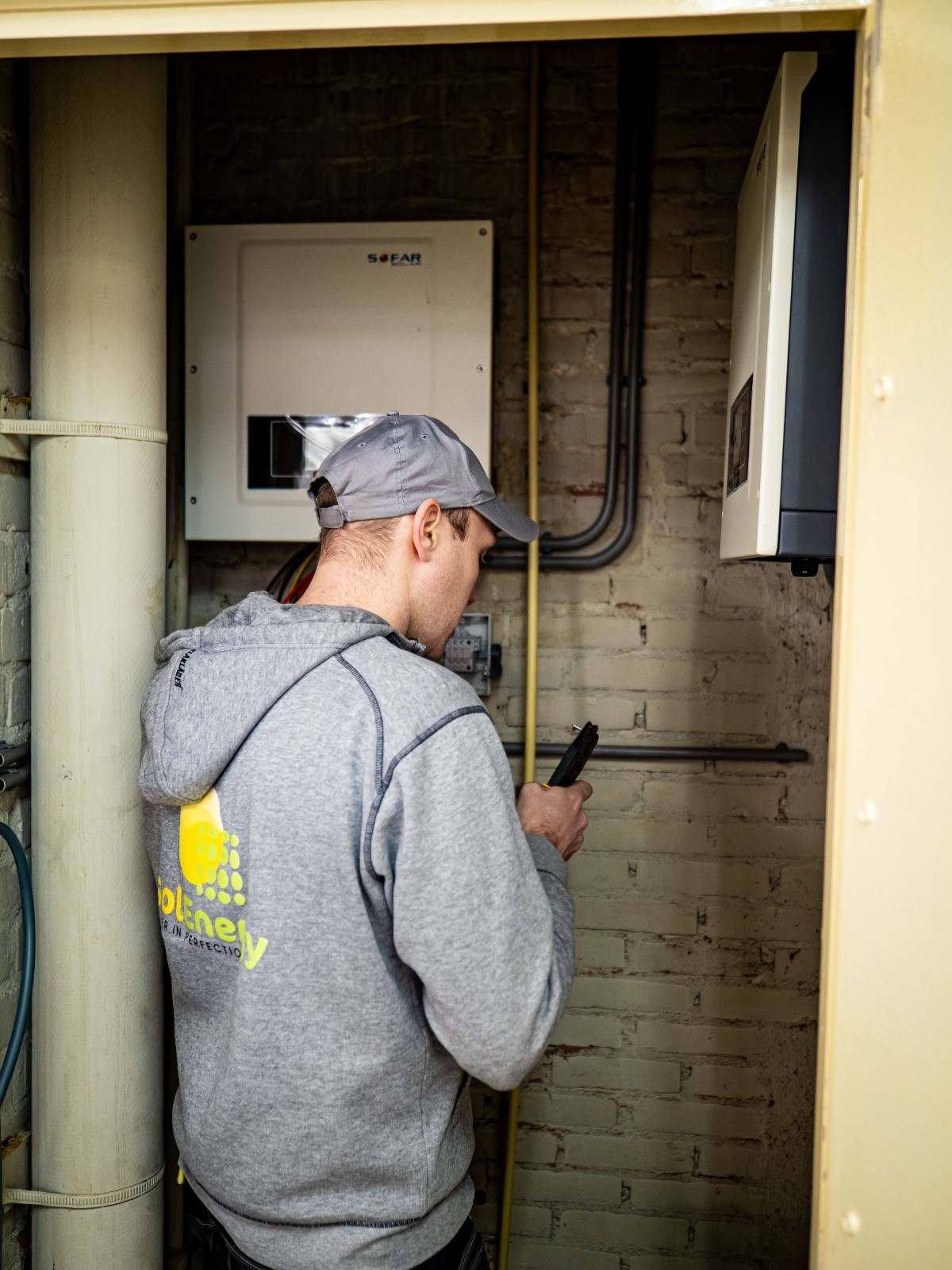
The general framework is this. Employers are required to assess the hazards their workers face and provide appropriate protection, and NFPA 70E is the consensus standard defining how that is done for electrical work. It calls for the risk assessment to be reviewed at least every five years, and sooner whenever the electrical system changes in a way that could affect the results.
That second condition catches more facilities than the five-year one. A study stops being accurate the moment the system it modeled changes. Replacing a transformer, upgrading a service, adding or replacing gear, changing breaker settings or adding significant load all alter the numbers. A facility with a six-year-old study and a new service has documentation that describes a building it no longer has.
What any individual facility is obliged to do depends on its own operations, its insurer and the requirements adopted locally, so that is a conversation for you, your insurer and where appropriate your attorney. What we can tell you is what your system actually looks like today.
Infrared Inspection
A separate service that often arrives with the same request.
An infrared survey uses a thermal camera to find connections and components running hotter than they should while the equipment is energized and under load. Loose terminations, overloaded conductors, failing breakers and unbalanced loads all show up as heat long before they fail. Insurers frequently ask for an infrared report, and some require one periodically.
The deliverable is a report with thermal and visual images of each finding, the temperature differential, a severity rating and a recommendation. It is also the cheapest diagnostic available for a commercial electrical system, because it requires no shutdown and finds the failures that are coming rather than the ones that already happened.
Code Compliance and Existing Conditions
Separate from arc flash work, buildings accumulate electrical conditions that fail an inspection, void an insurance position or surface during a sale.
- Work done without a permit, which is discovered at the worst possible time: a sale, a refinance, an insurance review or after a loss.
- Overloaded or undersized circuits added over the years without anyone measuring the result.
- Missing or inadequate grounding and bonding.
- Panels with no accurate directory, blocked access or insufficient working clearance in front of them.
- Missing covers, open knockouts and junction boxes that are not accessible.
- Emergency and exit lighting that has not been tested.
- Equipment with no labeling at all.
We inspect, document what is there, prioritize it by actual risk rather than listing everything at equal weight, and correct it under permit where correction is needed.

Why Facilities Here Use Nassif Electric
- Fifty years of commercial and industrial electrical work in South Florida, since 1976.
- Florida statewide licensed unlimited electrical contractor, License EC13001410.
- Field data collected by people who work on this equipment, which is where study accuracy is won or lost.
- We carry out the corrective work a study recommends rather than handing over a report and leaving.
- Labels produced and installed, not just supplied.
- Findings prioritized honestly, separating what needs attention this week from what can be budgeted.
- One contractor across studies, remediation, distribution equipment and ongoing maintenance.

Areas We Serve
We work with commercial and industrial facilities throughout West Palm Beach, including downtown, the Okeechobee Boulevard corridor and the industrial areas along Australian Avenue, and across South Florida from Juno Beach to Fort Lauderdale: Palm Beach, Palm Beach Gardens, North Palm Beach, Jupiter, Riviera Beach, Lake Worth Beach, Greenacres, Wellington, Royal Palm Beach, Boynton Beach, Delray Beach and Boca Raton.
Frequently Asked Questions
-
What is an arc flash study?
An engineering analysis of your electrical system that calculates, at each piece of equipment, how much energy an arc fault would release, how far the hazard extends, and what protective equipment somebody needs to work on it safely. The results are put on labels fixed to the equipment, so the information is available to the person opening the panel.
-
What does an arc flash study tell you?
The incident energy available at each piece of equipment in calories per square centimeter, the arc flash boundary, and the required personal protective equipment. It also produces a model of your system, which usually reveals two other things: whether your equipment is rated for the fault current actually available, and whether your protective devices are coordinated so a fault trips the nearest breaker rather than a main.
-
Does OSHA require an arc flash study?
The framework is that employers must assess the hazards their workers face and provide appropriate protection, and NFPA 70E is the consensus standard that defines how this is done for electrical work. In practice that is what drives facilities to commission studies, along with insurers and corporate safety programs that ask for the documentation directly. What applies to your specific facility depends on your operations, your insurer and local requirements, so it is worth confirming with them rather than relying on a contractor website.
-
How often does an arc flash study need updating?
The standard calls for the assessment to be reviewed at least every five years, and sooner whenever the electrical system changes in a way that could affect the results. The second condition catches more facilities than the first. Replacing a transformer, upgrading the service, replacing gear, changing breaker settings or adding significant load all change the numbers, which means a study from before any of those describes a building you no longer have.
-
Who is qualified to perform an arc flash study?
The engineering calculations are normally performed by or under the supervision of a licensed professional engineer. The field data collection, labeling and remediation are electrical contracting work. When comparing providers, ask who performs the calculations and under whose license, who collects the field data and how long they will spend on site, whether labels are installed or only supplied, and whether the provider can carry out the corrective work the study recommends.
-
What does an arc flash study cost?
It is usually priced on the number of pieces of equipment, or buses, being analyzed rather than on square footage, so a small facility with one service and a handful of panels costs a fraction of a plant with multiple transformers and distribution. The other variables are how much documentation already exists, since a facility with current drawings needs less field time, and whether labeling and remediation are included. We quote after establishing how much equipment is involved, and we will tell you how we arrived at the number.
-
How long does the study take?
Field data collection on a typical commercial facility is usually one to several days depending on the amount of equipment, and the analysis and reporting follow over a few weeks. Larger industrial sites take longer. Most of the elapsed time is engineering rather than site work, so it is not especially disruptive.Field data collection on a typical commercial facility is usually one to several days depending on the amount of equipment, and the analysis and reporting follow over a few weeks. Larger industrial sites take longer. Most of the elapsed time is engineering rather than site work, so it is not especially disruptive.
-
Do we have to shut down for the field work?
Mostly not. A good deal of the data collection can be done with equipment energized, using nameplate data and visual inspection. Some information requires equipment to be opened or de-energized, and where that is needed we schedule it for a window that suits your operations rather than ours.
-
What is the difference between an arc flash study and a short circuit study?
A short circuit study calculates the fault current available at each point in the system, which tells you whether your equipment is adequately rated. An arc flash study uses those results, plus how quickly the protective devices clear a fault, to calculate the energy a person would be exposed to. The short circuit analysis is a step inside the arc flash study rather than an alternative to it, and a coordination study usually sits between them.
-
Our incident energy came back high. What can be done?
Often less than people expect, and often cheaper. Incident energy depends heavily on how fast the upstream device clears the fault, so adjusting trip settings or relay parameters can reduce it substantially with no new equipment. Where that is not enough, options include current-limiting devices, relaying changes, maintenance switches that reduce let-through during live work, or equipment replacement. The study should recommend the remedies, and we carry them out.
-
What is an infrared inspection and do we need one separately?
A thermal camera survey finds connections and components running hot while equipment is energized and under load, which catches loose terminations, overloaded conductors and failing breakers before they fail. The deliverable is a report with thermal and visual images, temperature differentials and severity ratings. Many insurers ask for one periodically. It is separate from an arc flash study, needs no shutdown, and is the cheapest diagnostic available for a commercial electrical system.
-
Can you also fix what you find?
Yes, and it is the main reason to use an electrical contractor rather than a consultancy alone. A report identifying underrated equipment, poor coordination, missing labels or unsafe existing conditions is only useful if somebody corrects it. We carry out the remediation under permit where required, and we prioritize findings honestly so you can separate what needs attention immediately from what belongs in next year's budget.
Arrange an Arc Flash Study or Compliance Review
Tell us what you have been asked for and what sort of facility it is. We will tell you what the study involves, roughly what it will cost and on what basis, and what we would expect to find in a building of that age and type.
Call 561-582-2600 or email [email protected] to discuss a study or a compliance requirement.
