
Outlet and Light Switch Installation in West Palm Beach
A switch that has to be held at an angle. A bathroom outlet with no test button. One receptacle behind the bed and a power strip running the rest of the room. A hallway light you can only turn off from one end. None of these are emergencies, which is why they sit for years. Nassif Electric installs and replaces outlets and switches in homes across West Palm Beach and Palm Beach County. This page covers the specific devices: GFCI and AFCI outlets, USB outlets, 240V receptacles, weather-resistant outdoor outlets, and switches from a single-pole replacement to a three-way that has never worked right. For adding outlets, running new circuits and whole-house work, see our main page on outlet installation and new wiring.

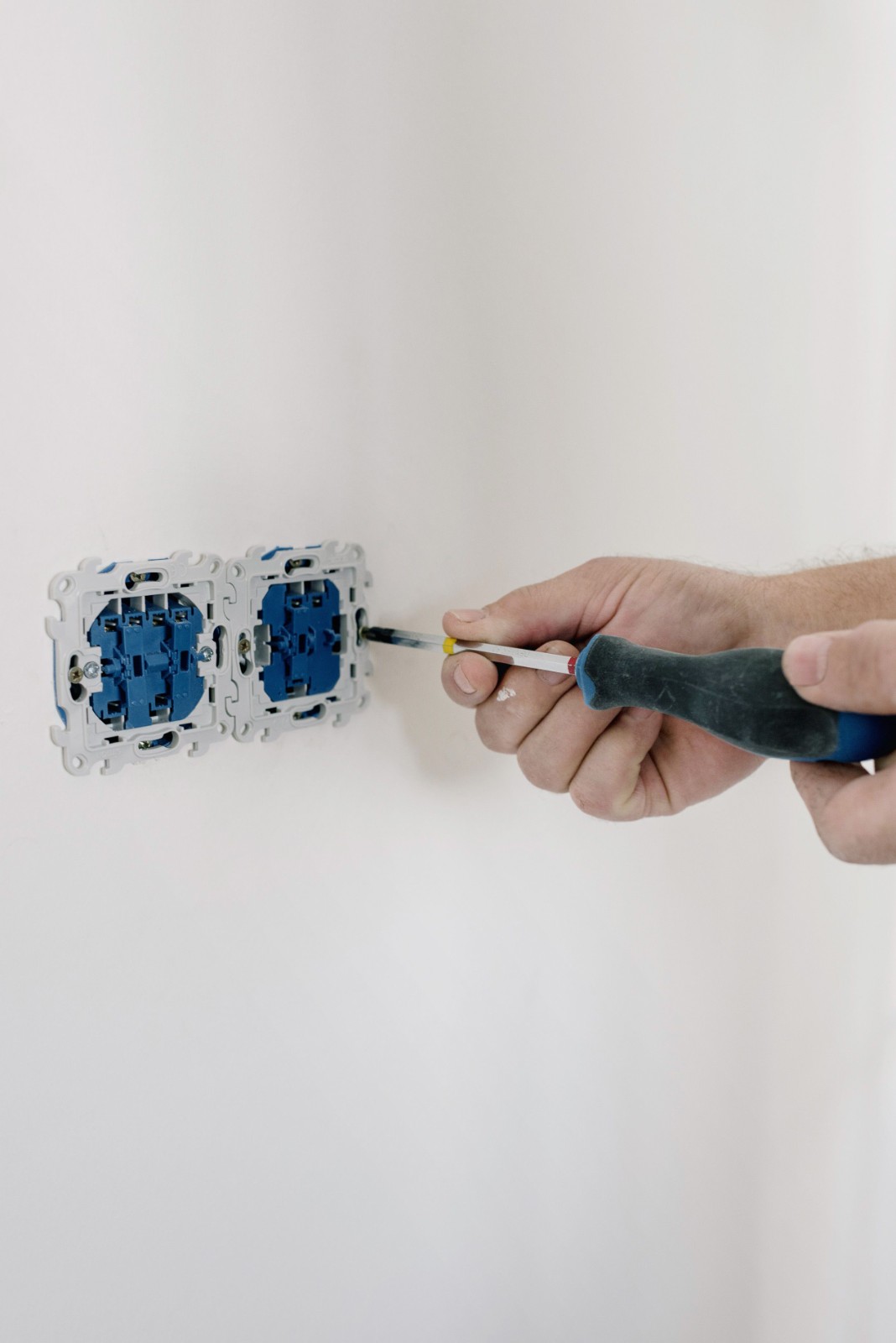
Specialty outlets
GFCI outlets
Ground-fault circuit interrupter outlets cut power within milliseconds when current starts leaking to ground, which is what happens when a person becomes part of the circuit. The code requires them in kitchens, bathrooms, laundry areas, garages, crawl spaces and anywhere outdoors. In a South Florida house with a pool, a patio and an outdoor kitchen, that covers a lot of receptacles.
A GFCI that trips repeatedly is doing its job and reporting a real fault somewhere on the circuit. Replacing it with a standard outlet to stop the nuisance removes the protection and leaves the fault in place. Finding what is leaking takes a meter and some circuit tracing, and it is worth the call.
Devices built since 2015 self-test and will refuse to reset if the protection has failed internally. If yours will not reset and nothing on the circuit is faulty, the device itself has reached the end of its life.
AFCI protection
Arc-fault protection watches for the signature of arcing, which is what a loose connection or a damaged cable does before it starts a fire. The code requires it on most living-area circuits. Protection can come from an AFCI breaker at the panel or an outlet-type AFCI at the first receptacle on the circuit, and which one makes sense depends on what is in your panel.
USB outlets
A receptacle with USB-A or USB-C ports built in removes the adapter from a nightstand, a kitchen counter or a desk. It is a straight device swap electrically. The complication is physical: USB receptacles are deeper than standard ones, and older boxes in Palm Beach County houses often do not have the volume to take them without an extension ring.
240V outlets
Dryers, ranges, welders, air compressors, pool heaters and EV chargers run on 240V and need a receptacle matched to the appliance and a circuit sized for its load. The receptacle configuration matters: a 14-50 and a 10-30 are not interchangeable, and an adapter that makes one fit the other usually defeats a ground. We confirm the appliance nameplate before specifying anything. If this is for a 240V circuit for an EV charger, there are load calculation questions worth covering first.
Outdoor and weather-resistant receptacles
This is where Palm Beach County differs from most of the country. Outdoor receptacles here face salt air, humidity and horizontal rain, and the standard outdoor outlet from 2005 is usually corroded at the terminals by now. Current code calls for weather-resistant devices in damp and wet locations and an in-use cover, which is the bubble-style cover that stays closed over a plugged-in cord rather than the flat flap that only seals when nothing is plugged in.
If your patio, dock, pool equipment pad or landscape outlet has a flat flap cover and a cord permanently running out from under it, that outlet is not sealed and the device behind it is probably corroding.
Light switch installation
Replacing a switch
Switches wear out. The toggle gets loose, the contacts pit, and the switch starts to need a push in a particular direction. A replacement is quick where the box is sound and the wiring is grounded, and we usually do several in one visit because the labor is in getting there.
Three-way and four-way switches
A three-way switch pair controls one light from two places, such as both ends of a hallway or the top and bottom of a stairway. A four-way switch sits between a three-way pair and adds a third control point. These are the switches that get miswired, and the symptoms are recognizable: the light only works when the other switch is in one position, or one switch kills the other entirely. Sorting it out means identifying the traveler conductors and the common terminal, which is a tracing job rather than a parts job.
Adding a switch where there is not one
Rooms built with a switched receptacle and no ceiling light, closets with a pull chain, and garages with the only switch by the wrong door all come up regularly. Adding a switch means getting a conductor from the circuit to a new box, and in concrete block construction the route is usually through the attic rather than through the wall. We walk it before quoting.
Smart switches
Most smart switches need a neutral conductor in the switch box to power their electronics. Many older boxes here have only a hot and a switch leg, which is why a smart switch bought on a Saturday is often back in its box by Sunday. We can pull a neutral to the box, which solves it for every device that goes in that location afterward. For dimmer switches and lighting scenes specifically, see our lighting controls page.
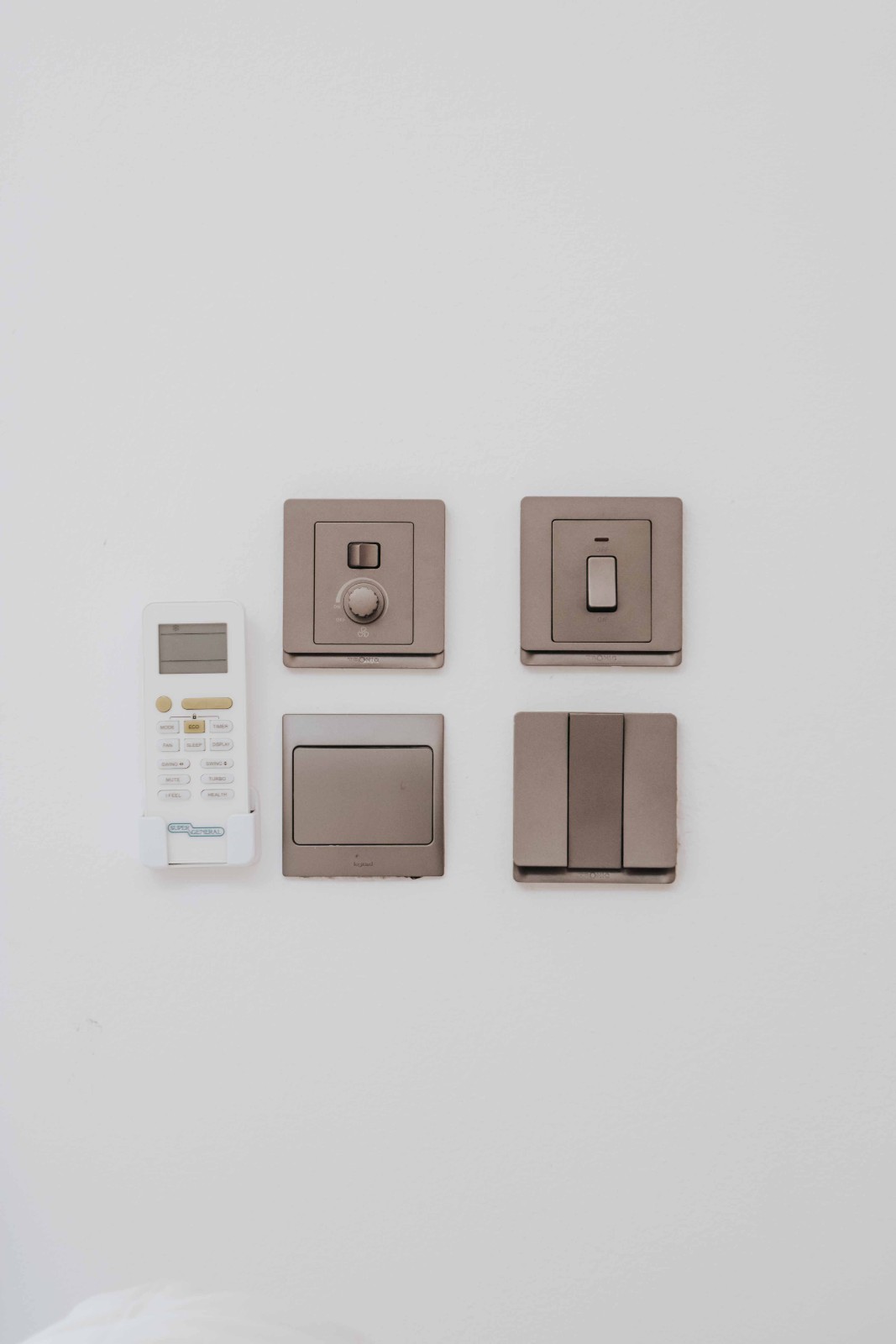

When a simple swap turns into more work
Four things turn up behind the faceplate often enough to mention before you get the quote.
No ground. Two-wire circuits are common in houses built before the mid-1960s. A three-prong outlet on an ungrounded circuit is a code violation and misleads anyone who plugs into it. The options are running a ground or installing a GFCI with the required no-equipment-ground label.
Box fill. The code limits how many conductors fit in a box by volume. A box that was legal with a flat toggle switch may not accept a smart switch or a USB receptacle, and the fix is a larger box or an extension ring.
Backstabbed connections. Older devices let the installer push the conductor into a hole in the back instead of wrapping it around the screw. Those connections loosen over time and are a frequent cause of outlets that work intermittently. We land conductors on the screw terminals.
Aluminum branch wiring. In homes built between about 1965 and 1973, the conductor at the device may be aluminum. Standard devices are not rated for it. This changes the job and we will tell you before starting rather than after.
What this work costs in West Palm Beach
Ranges below are typical for Palm Beach County residential work. The number moves with box condition, whether a ground has to be run, and how many devices are done on the same visit.
Work | Typical range | What changes the price |
|---|---|---|
Replace a light switch | $130 to $220 | Box condition, grounding, number done per visit |
Three-way switch pair | $260 to $520 | Whether existing wiring is correct or needs tracing |
Four-way switch added to a pair | $320 to $600 | Distance between locations, attic access |
GFCI outlet | $180 to $320 | Whether a ground has to be run |
AFCI breaker at the panel | $220 to $400 | Panel make and breaker availability |
USB outlet | $190 to $340 | Box depth and volume |
240V receptacle on an existing circuit | $240 to $450 | Receptacle configuration and amperage |
Weather-resistant outdoor outlet with in-use cover | $260 to $520 | Location, wall type, whether a new run is needed |
New switch where none exists | $350 to $900 | Route from circuit to new box, wall construction |
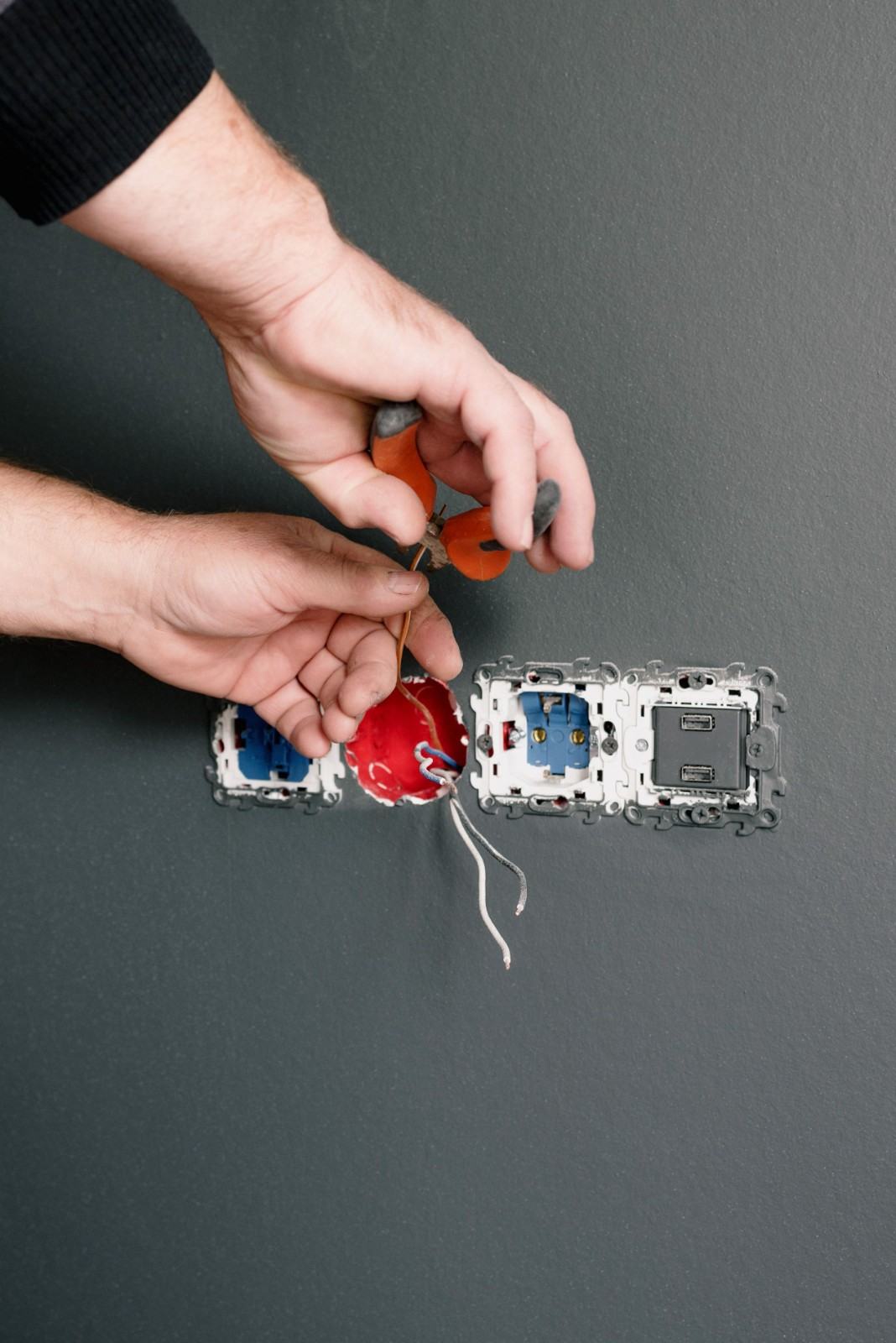

Permits
Replacing a device such as a switch or an outlet generally does not require a permit. Adding a new device that needs a new circuit or a new run does require one in Palm Beach County and in the City of West Palm Beach. We will tell you which side of that line your job falls on when we quote it, and we handle the permit where one is needed.
Why West Palm Beach homeowners call Nassif Electric
- Licensed and insured electrical contractor working across Palm Beach County
- Several devices handled in one visit, which is how this work stays affordable
- Weather-resistant devices and in-use covers specified correctly for coastal conditions
- Honest answers when a swap turns out to need a ground, a bigger box or a new circuit, before the work starts rather than after
- Written quotes and permit handling where a permit applies

Areas We Serve
West Palm Beach, Palm Beach, Palm Beach Gardens, North Palm Beach, Riviera Beach, Lake Worth Beach, Greenacres, Royal Palm Beach, Wellington, Jupiter, Juno Beach, Lake Park, Boynton Beach, Delray Beach and surrounding Palm Beach County communities.
Frequently Asked Questions
-
How much does an electrician charge to install an outlet or switch in West Palm Beach?
Replacing an existing device is the low end, because the box and the wiring are already in place. Installing a device where none exists costs more, because a conductor has to be run to it. Most companies have a minimum service call charge, so doing several devices in one visit brings the per-device cost down. Ask for a written quote after a walkthrough rather than a number on the phone.
-
Do I need a permit to replace a light switch or an outlet?
Generally no. Replacing a device is maintenance. Adding a new device that needs a new circuit or a new wiring run does require a permit in Palm Beach County and in the City of West Palm Beach, and we handle that where it applies.
-
Why does my GFCI outlet keep tripping?
Because it is detecting current leaking to ground somewhere on the circuit. Common causes here are moisture in an outdoor receptacle, a failing appliance, or a damaged cable. Replacing the GFCI with a standard outlet stops the tripping and removes the protection, which is the wrong fix. Tracing the circuit finds the actual fault.
-
My GFCI will not reset at all. What does that mean?
Either there is still a fault on the circuit, the power to the device is off, or the GFCI itself has failed. Devices made since 2015 self-test and lock out when their internal protection fails, which is a deliberate design so a dead GFCI cannot pass as a working one. If nothing on the circuit is faulty, the device needs replacing.
-
Can you put a three-prong outlet in where I have two-prong outlets?
Not directly. A three-prong receptacle on an ungrounded circuit suggests a ground path that does not exist. The code-compliant options are running a ground to the box, or installing a GFCI and labeling it as having no equipment ground. We will show you what is actually in the box and explain which option suits the room.
-
Why does my three-way switch only work when the other switch is in one position?
That is the signature of a miswired three-way pair, usually the common terminal and a traveler being swapped at one end. It can also happen after someone replaces one of the two switches with a standard single-pole. Correcting it means identifying the travelers and the common at both boxes.
-
Can you install a USB outlet anywhere I have a regular outlet?
Usually, with one caveat. USB receptacles are physically deeper than standard ones, and some older boxes do not have the internal volume the code requires once the device goes in. Where that happens we fit an extension ring or a larger box.
-
Do I need a special outlet outdoors?
Yes. Damp and wet locations require weather-resistant devices and an in-use cover, which is the bubble cover that stays closed around a plugged-in cord. Given the salt air and rain here, this is the difference between an outlet that lasts and one that corrodes within a few seasons.
-
Can you install an outlet for my EV charger or dryer?
Yes. Those are 240V circuits, and the receptacle has to match the appliance while the circuit is sized for its load. We check the appliance nameplate and the panel capacity before specifying anything, since a 240V addition to a full panel becomes a panel conversation.
-
Can I just replace a switch myself?
Plenty of people do, and plenty of the calls we get are to correct the result. The specific things that go wrong are ungrounded boxes, backstabbed connections, aluminum conductors that standard devices are not rated for, and three-way circuits where the travelers get swapped. If you open a box and find any of those, stop and call someone.
Need outlets or switches installed in West Palm Beach?
Call Nassif Electric. We will look at what is actually behind the faceplate, quote the work in writing, and do as many devices in one visit as you need.
