Half the House Has No Power (And the Breaker Looks Fine)
Some rooms work, some do not, nothing is tripped, and the street still has power. This is a specific and recognizable fault, and it usually means one of the two halves of your electrical service has been lost. Call 561-582-2600. We answer 24 hours. Nassif Electric, Florida licensed unlimited electrical contractor EC13001410, West Palm Beach since 1976.
Why It Happens to Exactly Half
Your home is supplied by two 120-volt legs and a neutral. Together the two legs give you 240 volts for large appliances, and individually each one feeds roughly half the circuits in the panel.
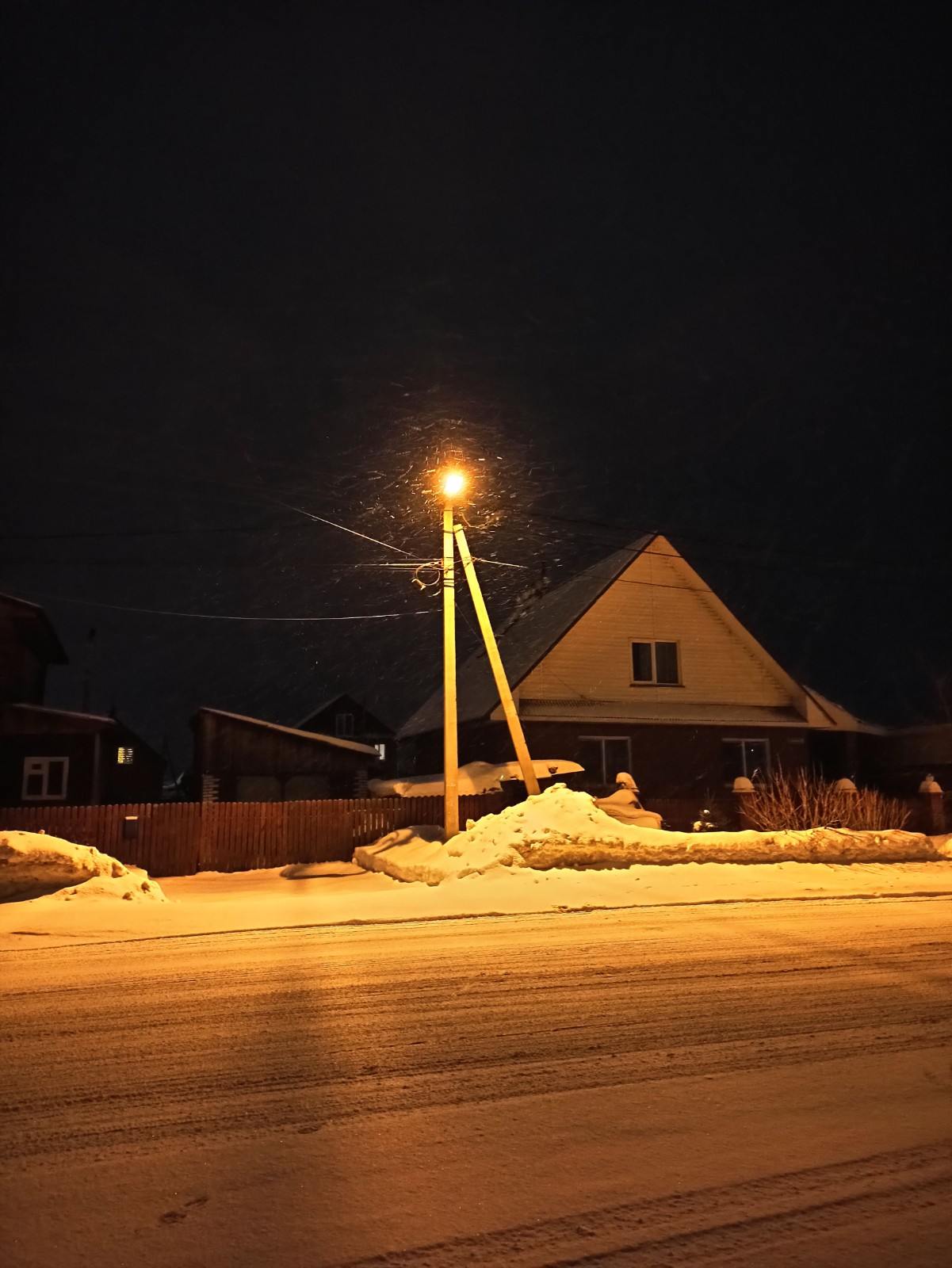
Lose one leg, and every circuit fed from it goes dead while every circuit on the other leg carries on normally. That is why the pattern looks so arbitrary from inside the house: the kitchen and one bedroom are out, the living room and the other bedroom are fine, and nothing about which rooms are affected makes any architectural sense. The division follows the panel, not the floor plan.
Once you know that, the diagnosis narrows quickly. Something has interrupted one leg, and there are only a handful of places that can happen.
What to Check Before You Call
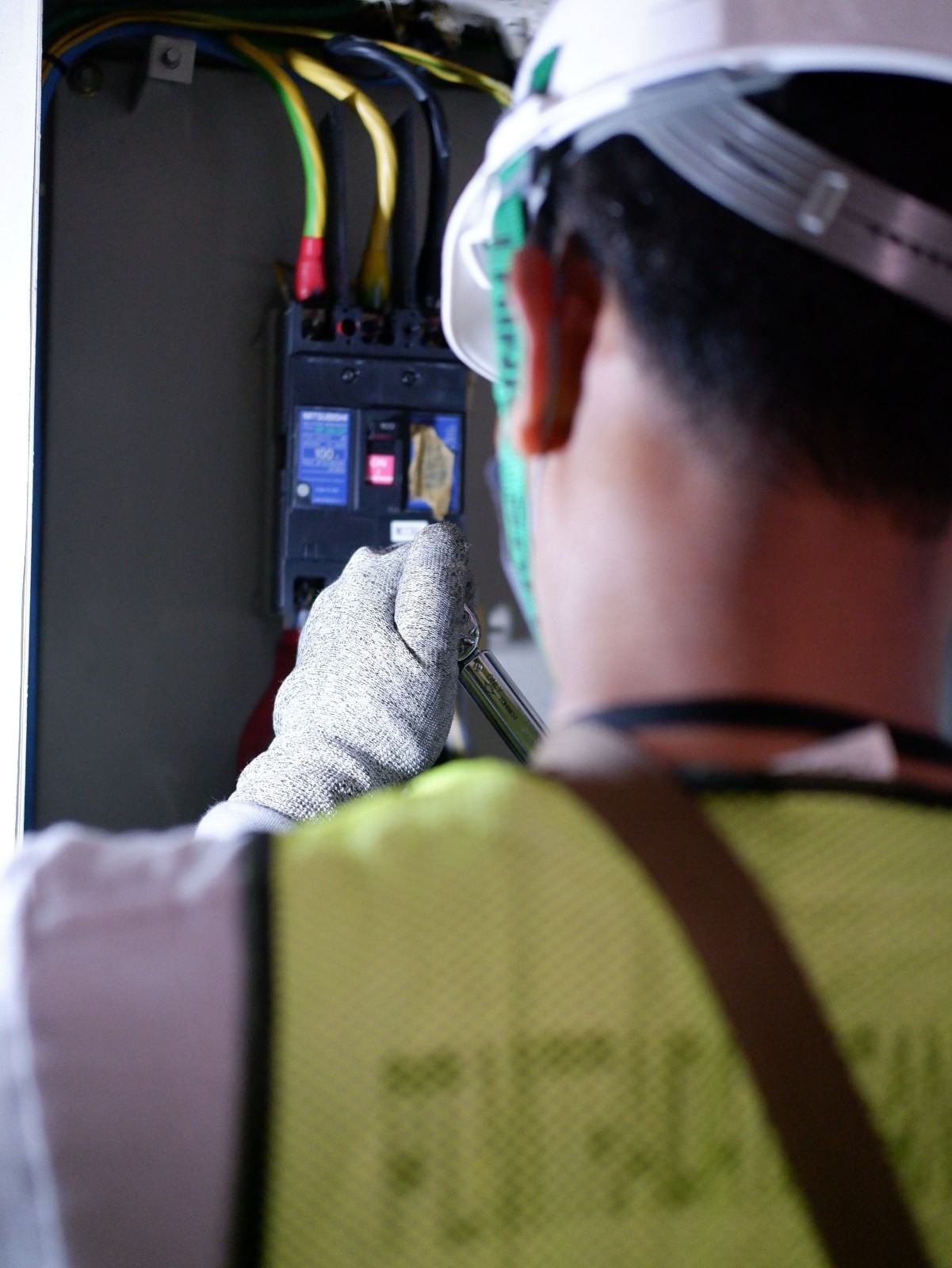
- Look at the breakers properly. A tripped breaker does not always look tripped. It may sit a fraction out of line with its neighbors or feel slightly loose rather than sitting in an obvious off position. Push each one fully to off, then firmly back to on.
- Check the main breaker the same way. Double-pole breakers, including the main, can trip in a way that looks almost normal. This is the single most common cause of this symptom and the easiest to miss.
- Check whether the neighbors are affected. If several houses have odd power, it is the utility and you want FPL rather than an electrician.
- Look at the FPL outage map. Partial outages affecting a street do happen, particularly after storms.
- Stop there. Do not open the panel cover, and do not start testing things inside it. If the breakers are all on and the street is fine, the next step is a tester in the hands of somebody who does this for a living.
What Usually Causes It
A tripped double-pole breaker
The most common cause and the most frequently missed, because of how subtly these can trip. Worth checking twice, properly, before anything else.
A failed main breaker
Main breakers fail, and one half failing while the other continues to work is a normal way for them to do it. This is a panel-level repair rather than something to live with.
A loose or burned connection at the panel
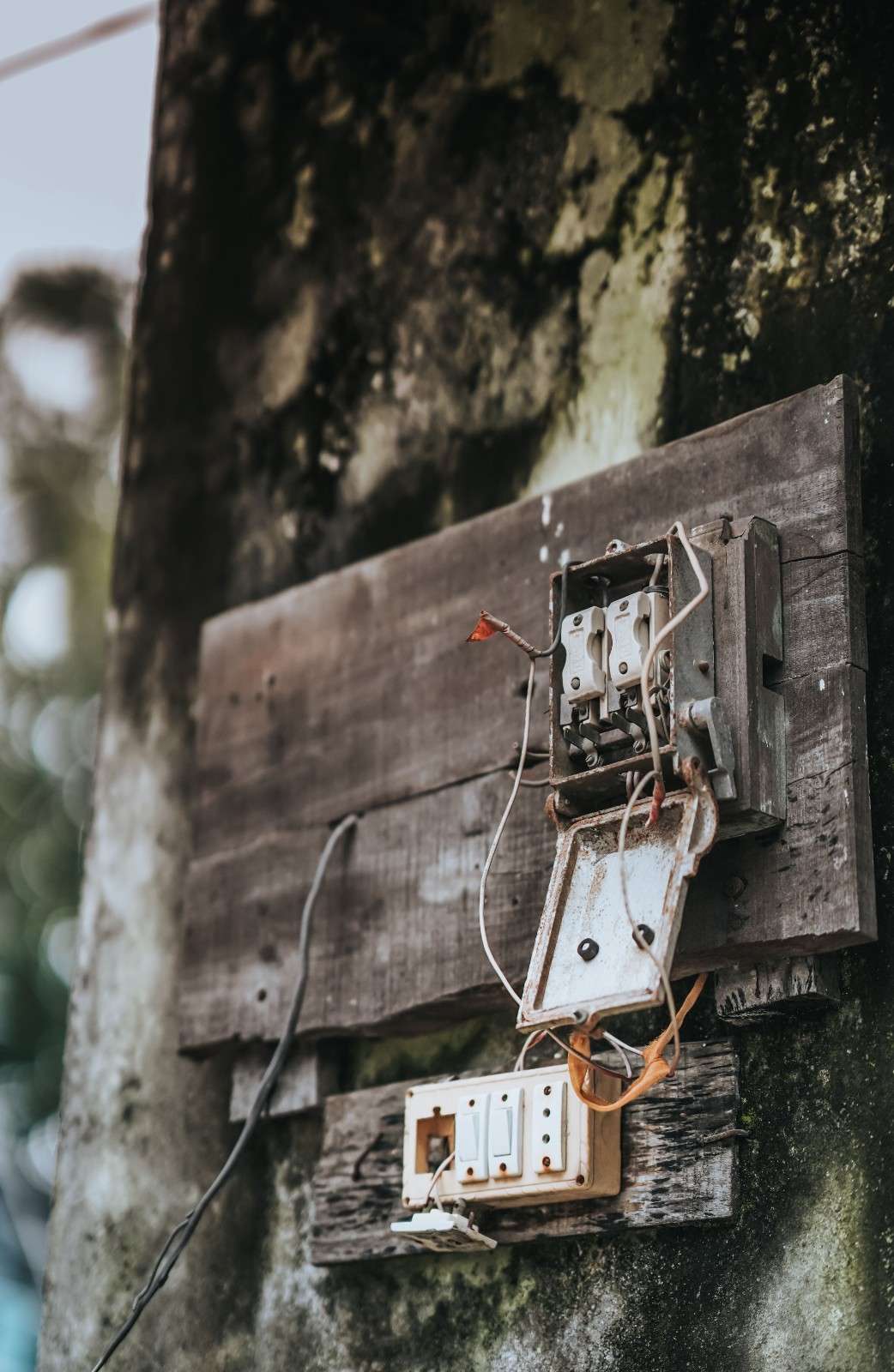
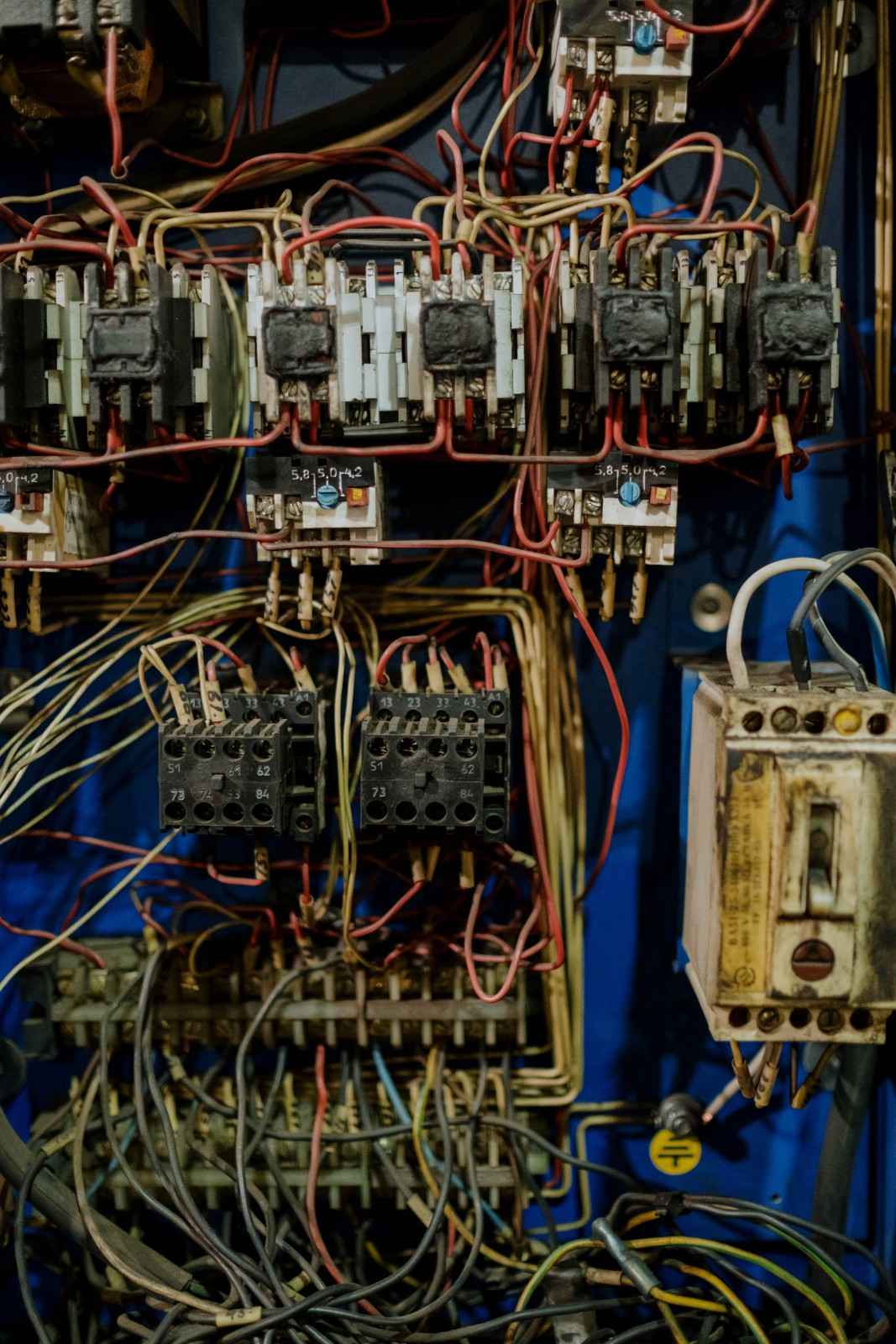
A main lug or a bus connection that has loosened and begun to arc. This one often announces itself with heat, discoloration or a buzz, and if your panel is warm or smells at all, treat it as urgent rather than inconvenient.
A failed service conductor or weatherhead connection
The connection where the utility conductors meet your service entrance. Wind works at it, salt air corrodes it, and age loosens it. Flickering before the loss, or symptoms that come and go with the weather, point here.
A problem at the meter
Burned or corroded meter connections, or a failed meter socket. This is the boundary between your equipment and FPL’s, and establishing which side of it the fault sits on is part of the diagnosis.
A utility-side fault
One leg down at the transformer or on the drop to your house. This is FPL’s to fix, and no work inside your home will resolve it. After a storm, this is a frequent cause.
The Dangerous Version: An Open Neutral
There is a related fault that presents similarly and is worse, so it is worth describing clearly.
If the neutral connection fails rather than one of the hot legs, the two halves of your system stop being balanced against each other. Instead of half the house going cleanly dead, you get unstable voltage: one side of the house brighter than normal, the other dim, lights surging when appliances switch on and off, and equipment failing for no obvious reason.
The reason it matters more is that the voltage on the elevated side can rise well above 120 volts, which destroys electronics and appliances. People with this fault often lose several devices before anyone identifies the cause. The loose connection producing it is also arcing and heating wherever it sits.
How to tell the difference quickly: if the dead circuits are completely dead and the live ones behave normally, that looks like a lost leg. If nothing is fully dead but lights are unusually bright in one part of the house and dim in another, or brightness changes as things switch on, that looks like a neutral problem. Unplug what you can on the bright side and call.
Is It Dangerous? Can It Fix Itself?
Two questions people search for, and they deserve straight answers.
Is it dangerous? It depends on the cause, and you cannot tell the cause from inside the house. A tripped breaker is not dangerous. A loose connection arcing at a panel lug, a burned meter connection or a failing weatherhead very much is, because all three are generating heat inside enclosures. The fact that half your house still works does not tell you which one you have.
Can it fix itself? Sometimes it appears to, and that is not reassuring. Intermittent faults are caused by connections that are loose rather than broken, and a loose connection that reconnects as things expand and cool has not healed. It has simply moved back to contact for now, while continuing to degrade and heat each time current flows across it. A partial outage that comes back on its own is a stronger reason to call than one that stays off, because it is telling you the fault is intermittent and progressive.
After a Storm
In South Florida this is the version we see most, and the cause is usually outside the house.
Wind pulls at the service conductors and the weatherhead. Flying debris damages the drop. Water gets into the meter enclosure or the service entrance and corrodes connections that then fail days or weeks later. And utility-side damage frequently restores partially rather than completely, leaving a street or a single property on one leg.
What to do: check the FPL outage map and report it if the street is affected, look at your own service entrance from the ground for anything obviously pulled loose or hanging, and do not go near a conductor that has come down. If your service mast or weatherhead has been pulled away from the building, that is typically the homeowner’s equipment and the repair has to happen before FPL will reconnect, which is work we do.
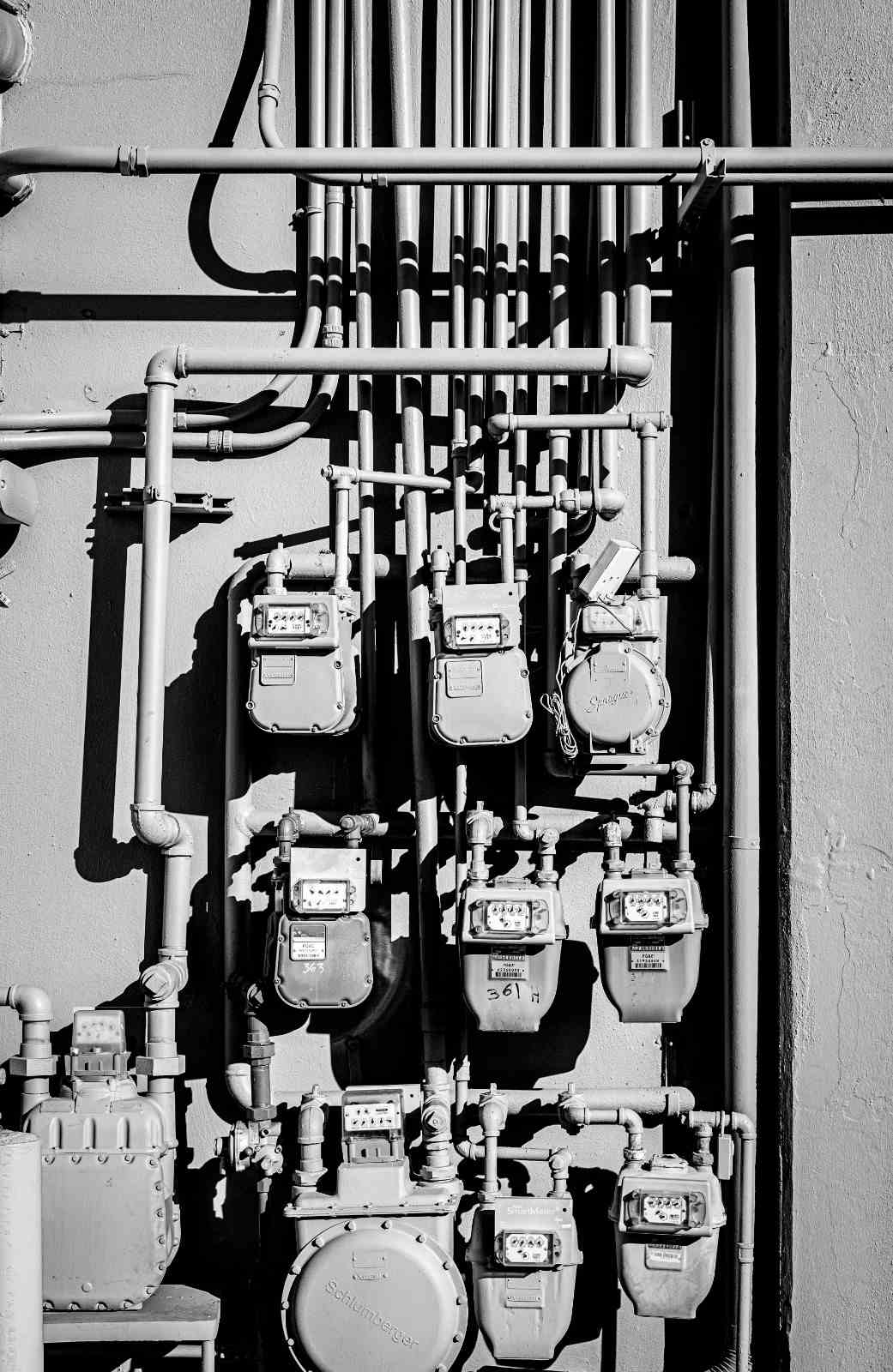
Which Side Is It, Yours or FPL's?
The dividing line is the meter. Broadly, the utility is responsible for the service drop and the meter itself, and the homeowner is responsible for the service entrance equipment, the meter enclosure in many cases, and everything beyond it.
In practice people waste a lot of time being passed between the two. We attend, determine which side the fault is on, and tell you plainly. If it is FPL’s, we will say so and you will not pay us to fix something we cannot touch. If it is yours, we repair it, and where the repair needs FPL to disconnect and reconnect we coordinate that.
What It Costs
Job | Typical range* |
|---|---|
Diagnostic visit to locate a partial power loss | $125 to $250 |
Replace a failed double-pole or main breaker | $200 to $500 |
Repair or re-terminate connections at the panel | Quoted after inspection |
Service entrance, weatherhead or mast repair | Quoted. Usually involves FPL scheduling |
Meter enclosure repair or replacement | Quoted. See our meter and service page |
Panel replacement where the panel is the cause | See our panel upgrade pages |
After-hours or emergency visit | Higher. Quoted before dispatch |
Why West Palm Beach Calls Nassif Electric
- 24/7 response, with a person answering the phone.
- Fifty years in South Florida, since 1976.
- Florida statewide licensed unlimited electrical contractor, License EC13001410.
- Licensed, insured and bonded.
- We determine which side of the meter the fault is on and tell you plainly.
- Service entrance, weatherhead, meter and panel work, including FPL coordination.
- Post-storm response.

Areas We Serve
We diagnose and repair partial power losses throughout West Palm Beach, including downtown, Northwood, El Cid, Flamingo Park, SoSo and the neighborhoods along Okeechobee Boulevard, and across South Florida from Juno Beach to Fort Lauderdale: Palm Beach, Palm Beach Gardens, North Palm Beach, Jupiter, Riviera Beach, Lake Worth Beach, Greenacres, Wellington, Royal Palm Beach, Boynton Beach, Delray Beach and Boca Raton.
Call 561-582-2600 if half the house is dark and nothing is tripped.
Frequently Asked Questions
-
Why does half my house have no power but the breaker is not tripped?
Because your home is fed by two 120-volt legs, and losing one takes out every circuit fed from it while the other half carries on. The breakers on the dead half can all look perfectly normal, because nothing tripped them. The interruption is upstream: a main or double-pole breaker that has failed or tripped subtly, a loose connection at the panel, a failed service conductor or weatherhead, a meter problem, or a fault on FPL's side.
-
The breakers all look fine. What now?
Check them physically rather than visually. Push each one fully to off until it clicks, then firmly to on, including the main. Double-pole breakers can trip in a way that looks almost identical to normal, and that is the most common cause of this symptom. If everything is genuinely on and half the house is still dead, the fault is upstream of the breakers and needs a tester to find.
-
Are partial power outages dangerous?
It depends on the cause, and you cannot tell which you have from inside the house. A tripped breaker is harmless. A loose connection arcing at a panel lug, a burned meter connection or a failing weatherhead is a genuine fire risk, because each generates heat inside an enclosure. The fact that half the house still works tells you nothing about which it is, which is why it is worth having looked at rather than lived with.
-
Can a partial power outage fix itself?
It can appear to, and that is a worse sign rather than a better one. Intermittent faults come from connections that are loose rather than broken, and a connection that re-establishes contact as things expand and cool has not repaired itself. It is still loose, still arcing when loaded, and still getting worse. Power that comes back on its own is a stronger reason to call than power that stays off.
-
How do I know if it is my problem or FPL's?
The meter is the dividing line. Broadly, FPL is responsible for the service drop and the meter, and you are responsible for the service entrance equipment and everything past it. Two quick checks: ask whether neighbors are affected, and look at the FPL outage map. If it is only your property, it is more likely yours, but not always. We attend, determine which side it is on, and tell you straight.
-
My 240-volt appliances are behaving strangely. Why?
Because they need both legs. With one leg lost, a dryer, range, water heater or air conditioner may do nothing, may run weakly, or may behave unpredictably. Electric ranges sometimes light up but will not heat. It is a useful confirming symptom rather than a separate problem, and it is a reason to switch those appliances off until the supply is restored properly.
-
Should I unplug things?
Yes, unplug sensitive electronics on the half that is still working. In the neutral-fault version of this problem the voltage on the live side can rise above normal, and that is how people lose televisions, computers and appliances while waiting for a visit. It costs you nothing and it is the single most useful thing to do before we arrive.
-
What is an open neutral and how is it different?
A lost leg means half your circuits are cleanly dead. An open neutral means nothing is fully dead but the two halves of the system are no longer balanced: lights unusually bright in one part of the house and dim in another, brightness surging as appliances switch, and equipment failing. The open neutral version is more damaging because the elevated voltage destroys electronics, and both involve a loose connection that is arcing somewhere.
-
It happened after a storm. Is that different?
It is the most common version here, and the cause is usually outside the house: wind pulling at the service conductors or weatherhead, debris damage to the drop, or water getting into the meter or service entrance and corroding connections that fail later. Utility damage also restores partially sometimes, leaving a property on one leg. Check the FPL outage map first, look at your service entrance from the ground, and never approach a downed conductor.
-
My service mast is pulled away from the house. Who fixes that?
Usually you, and it generally has to be repaired before FPL will reconnect. The service mast, weatherhead and the entrance equipment are typically the property owner's responsibility while the conductors and meter are the utility's. It is work we do, and we coordinate the disconnect and reconnect with FPL as part of it.
-
Can I just use the half that works until I get it fixed?
For a short period while a repair is arranged, usually, but with two cautions. Do not overload the working half by running everything on it, because those circuits were never designed to carry the whole house. And if there is any heat, buzzing or smell at the panel, stop and call immediately rather than continuing to use it.
-
I rent. Who do I call?
Your landlord or property manager, who is normally responsible for arranging electrical repairs. Report it in writing as well as by phone so there is a record of when you raised it. Questions about what a landlord is legally obliged to do and in what timeframe are legal questions rather than electrical ones, and worth asking somebody qualified to answer them.
-
How quickly can you come out?
We answer 24 hours and this is a symptom we treat as urgent, particularly if there is any heat, smell or buzzing at the panel. Call and describe what is working and what is not, whether anything is tripped, and whether the neighbors are affected. That tells us a great deal before anyone leaves the yard.
Half Dark and Nothing Tripped?
Then the problem is upstream of your breakers, and it is in one of a small number of places. We will find which one, tell you whether it is yours or FPL’s, and fix the part that is ours to fix.
Call 561-582-2600. 24 hours, West Palm Beach and South Florida.